Use clear epoxy for hairline cracks; replace large or shattered mirrors for safety.
If you want to know how to fix a cracked mirror, you are in the right place. I have repaired mirrors in homes, shops, and studios for years. I will walk you through smart steps, simple tools, and real tips that work. You will learn when to fix and when to replace, with clear costs and risks.

Safety first
Cracked glass can cut fast. Work slow and stay safe. Wear cut proof gloves and eye protection. Place the mirror flat on a padded, level surface. Keep kids and pets away.
If the mirror has many breaks, do not try to fix it. Tape the front with painter’s tape. Wrap it and call for safe disposal. Safety comes first in how to fix a cracked mirror.
Have a trash bin ready for shards. Use a vacuum after you work. Wipe the area with a damp cloth to pick up tiny bits.
Diagnose the damage
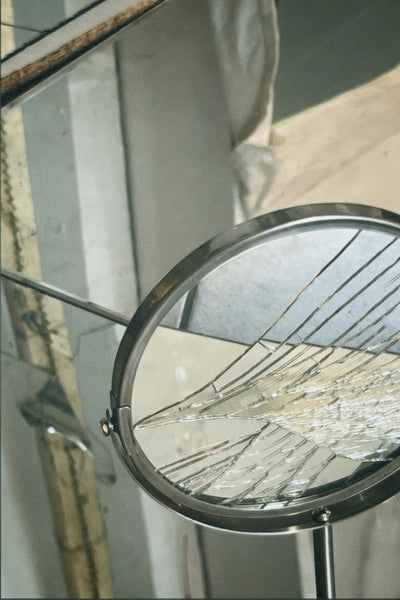
Not all cracks are the same. A chip or hairline is a good case for repair. A long edge crack can spread. A star break or many lines means replace.
Do the fingernail test. If your nail catches in the crack, it is open and needs resin. If the line is only in the back silver layer, the glass may feel smooth. That is desilvering and needs a backing fix, not glass repair.
Check if the glass is tempered. Tempered mirrors often show a tiny stamp or have many small cube breaks when damaged. You cannot repair tempered cracks. In how to fix a cracked mirror, that type calls for full replacement.

Tools and materials you may need
- Nitrile or cut proof gloves, safety glasses
- Painter’s tape or clear stabilizer film
- Razor blades and plastic scraper
- Lint free cloths, cotton swabs, microfiber towel
- Isopropyl alcohol, glass cleaner, distilled water
- Clear two part epoxy or UV glass resin
- Small mixing tray, toothpicks, fine syringes
- Plastic spreader or old gift card
- 2000 to 3000 grit sandpaper, polishing compound
- Black or silver mirror backing paint or mirror repair tape
- Neutral cure silicone or mirror mastic
- Plywood or PVC backer board and foam pads
Use clean tools. Dust can spoil a clear fill. The right kit makes how to fix a cracked mirror far easier.
Smart temporary fixes to stop a crack from spreading
If you need time before a full repair, stabilize it. Clean the front with alcohol and let it dry. Apply clear packing tape or a clear stabilizer film over the crack. Press out air with a card.
For a tiny chip, a drop of clear nail polish can hold it for a week. It is not a long term fix. Avoid water and steam. Heat and moisture can grow the crack. Temporary steps buy time in how to fix a cracked mirror, but they do not solve it.

Step by step repair for small cracks and chips
Follow these steps for a standard wall mirror with a hairline crack or small chip.
- Prepare the surface
- Lay the mirror flat on a padded table.
- Clean the glass with alcohol. Let it dry.
- Mask both sides of the crack with painter’s tape. Leave a narrow channel.
- Mix the resin
- For two part epoxy, mix a small batch as the label says.
- For UV resin, no mix is needed, but you need a UV lamp or sun.
- Fill the crack
- Use a toothpick or syringe to place resin into the crack.
- Work from one end to the other.
- Tap the glass lightly to help it flow in.
- Do not overfill.
- Level the surface
- Drag a plastic card over the area to lift extra resin.
- Wipe the card on a cloth. Repeat until level.
- Cure
- Let epoxy cure as the label says. Most need 12 to 24 hours.
- For UV resin, expose to a UV lamp or bright sun until fully set.
- Keep the mirror level and still while it cures.
- Finish
- Remove tape. Use a razor to shave thin residue at a low angle.
- Wet sand with 3000 grit if needed. Use light strokes.
- Buff with glass polish for a clear look.
- Rehang with support
- Use mirror clips or a frame that spreads the load.
- Add foam pads on the back to avoid point stress.
This path is the core of how to fix a cracked mirror at home. The crack line may still show at some angles. But it will be safe, smooth, and less visible.

Fixing damage to the mirror backing
If the front glass is smooth but you see dark spots or a line, the silver backing is hurt. You cannot fix the old metal layer. You can mask it.
- Remove the mirror from the wall. Clean and dry the back.
- Scrape loose flake with a plastic scraper.
- Apply black or silver mirror backing paint in thin coats.
- For a cleaner edge, use mirror repair tape or a chrome film.
- Let it cure. Keep the back dry in the future.
In bathrooms, seal the top edge with neutral cure silicone. Backing fixes are a key part of how to fix a cracked mirror when the glass is fine but the image looks bad.

Improve support to prevent future cracks
Cracks often start from stress points. Reduce stress and flex.
- Add a backer board behind large mirrors. Use thin plywood or PVC.
- Use enough clips or a full frame to spread weight.
- Place small foam pads at corners and mid points.
- Do not over tighten clips. Snug is enough.
Avoid heat sources near the mirror. Do not slam doors on shared walls. Good support helps in how to fix a cracked mirror and keeps it from cracking again.
When to repair and when to replace
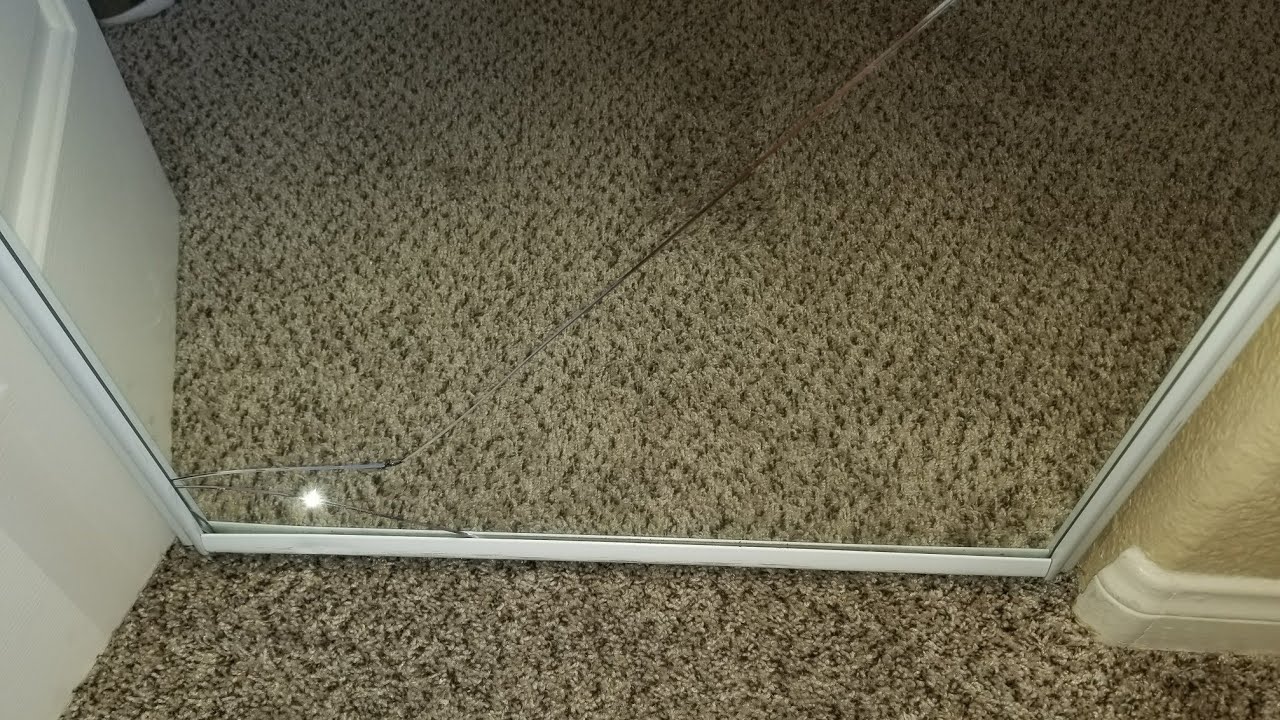
Choose repair when the crack is short, the piece is flat, and the glass is not tempered. Choose replacement when the crack is long, near an edge, or the mirror has many lines. Replace if the mirror is in a high humidity room and the backing is failing.
Typical costs
- Epoxy or UV resin kit: 10 to 30 dollars.
- Backing paint or tape: 10 to 20 dollars.
- New small mirror: 50 to 120 dollars.
- Large custom mirror: 150 to 400 dollars or more.
Time needed
- Quick stabilize: 10 minutes.
- Fill and cure: 1 to 24 hours based on resin.
- Full replace with pro install: 1 to 2 hours on site.
These facts guide smart choices in how to fix a cracked mirror without guesswork.
Care tips to avoid new cracks
Gentle care helps your repair last.
- Clean with a soft cloth and a mild glass cleaner.
- Spray the cloth, not the mirror, to protect the edges.
- Seal the top edge with neutral cure silicone in wet rooms.
- Keep mirrors away from strong heat or direct sun.
- Lift and carry mirrors upright with two hands.
These simple steps matter in how to fix a cracked mirror and keep it clear for years.
Lessons from my repair bench
I once saved a vintage dresser mirror with a two inch hairline. The frame was rare, so we chose repair. UV resin filled the crack cleanly, but the backing line still showed in bright light. We masked the back with silver film, and it looked great from normal angles.
Big lesson one. Do not overfill resin. High spots catch light and look worse. Big lesson two. Seal the top edge. Steam from showers can creep in and cause new lines. Real work and small tweaks stack up in how to fix a cracked mirror well.
Quick planner for cost, tools, and time
If you are in a rush, use this plan.
Hairline crack under three inches
Tools: alcohol, tape, UV resin, razor.
Time: 45 minutes plus cure.
Result: safe and neat. Minor line may remain.Chip at the edge
Tools: epoxy, card, backing paint.
Time: 1 hour plus cure.
Result: stable edge, small blur at chip.Many cracks or tempered glass
Tools: tape, packing, new mirror.
Time: 1 to 2 hours with install.
Result: safe and clear.
This planner keeps how to fix a cracked mirror simple and real.
Frequently Asked Questions of how to fix a cracked mirror
Can I use a windshield repair kit on a mirror?
Yes, many kits use the same clear resin. They can fill small glass cracks. They will not fix damage to the mirror backing layer.
Will the crack vanish after repair?
It will look much better but may show at some angles. Good resin and polish can make it hard to spot in daily use.
Is super glue safe for mirror cracks?
I do not suggest it. It yellows and turns hazy over time. Use clear epoxy or UV glass resin instead.
How do I know if my mirror is tempered?
Look for a tiny stamp on a corner or check the break pattern. Tempered glass breaks into many small cubes and should be replaced, not repaired.
Can I fix a crack in a bathroom mirror?
Yes, for small cracks. Use resin and then seal the top edge with neutral cure silicone. Keep steam off the edges to protect the backing.
What if the mirror has black edges or spots?
That is desilvering. Fix the back with mirror backing paint or repair tape. You can also frame or bevel to hide minor edge wear.
How long does a mirror repair last?
If the mirror is stable and well supported, a good repair can last for years. Avoid heat, moisture, and pressure to protect the fix.
Conclusion
You now know how to fix a cracked mirror with safe steps, clear tools, and smart choices. Small cracks and chips respond well to resin and good support. Big breaks or tempered glass call for a fresh mirror.
Pick the method that fits your case and your budget. Take your time, work clean, and protect the edges so your fix lasts. Want more guides like this? Subscribe, share your results, or drop a question so we can help you tackle your next project.

Table of Contents