Blot stains fast, use enzyme cleaner, baking soda, and air-dry thoroughly.
If you want to master how to clean mattress stains, you’re in the right place. I’ve cleaned dozens of mattresses in homes, rentals, and guest rooms. I’ll show you what works, what to avoid, and how to keep your bed fresh. You’ll get a step-by-step plan, based on real-life results and best practices, that makes cleaning simple and safe.

Know your mattress and stain type
To nail how to clean mattress stains, you first need to know what you are fighting. Most stains fall into a few groups. Protein stains include urine, sweat, blood, and vomit. Tannin stains include coffee, tea, and wine. Oil stains include body oils, lotions, or food grease. Each type needs a different tactic.
Mattresses also differ. Memory foam and latex hate excess water and steam. Innerspring can handle a bit more moisture but still need fast drying. Always spot test first. The wrong product can set a stain or damage foam.
A key rule in how to clean mattress stains: less liquid is more. Think damp, not wet. Hot water sets protein. Strong bleach can discolor fabrics. Good airflow speeds drying and prevents odors.
Gather safe supplies and tools
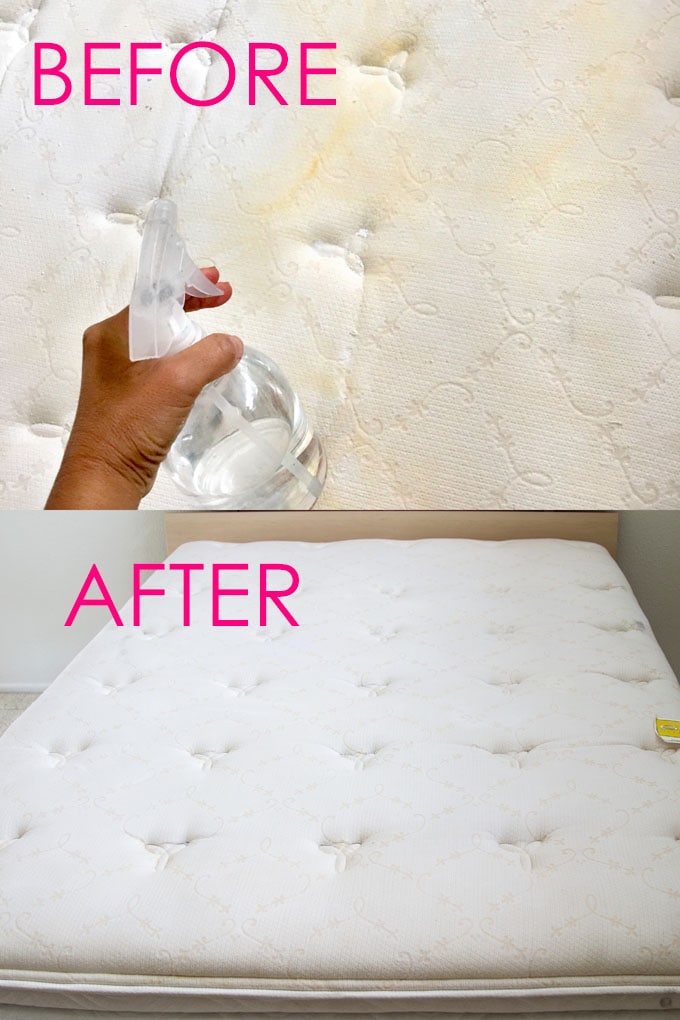
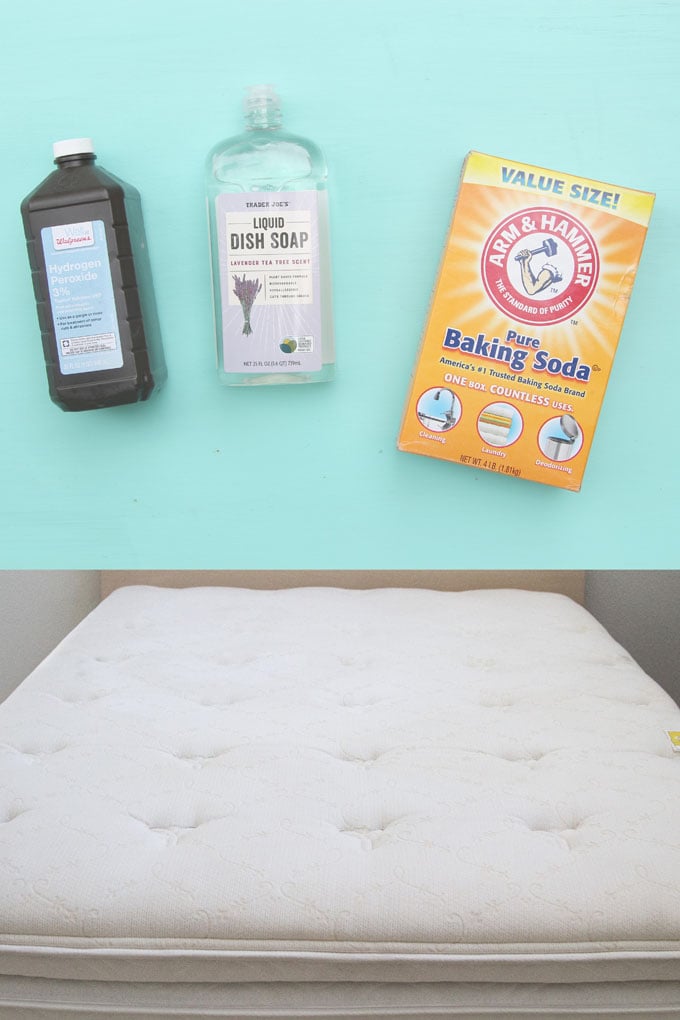
Here is a simple kit I keep in a small bin. It covers 90% of jobs and is safe for most beds.
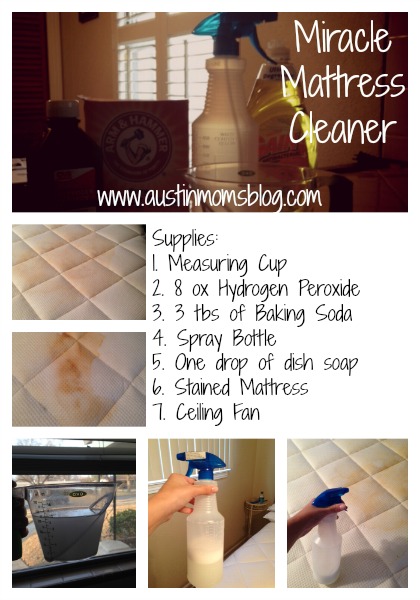
- Enzyme cleaner for protein stains like urine and sweat
- Baking soda for odor control and gentle lift
- 3% hydrogen peroxide for light fabrics and blood (spot test)
- Mild dish soap for oils and general grime
- White vinegar for deodorizing on non-foam edges only (use with care)
- Isopropyl alcohol 70% for quick surface wipe-downs
- Cold water in a spray bottle for rinsing
- Microfiber cloths and white towels for blotting
- Soft brush or old toothbrush for edges
- Vacuum with upholstery tool
- Fans or open windows for airflow
What to avoid most of the time:
- Steam on memory foam and latex
- Hot water on protein stains
- Chlorine bleach on colored fabrics or foam
- Flooding the mattress
- Mixing chemicals (never mix bleach with ammonia or vinegar)
When in doubt, check the care tag. Follow label directions on every cleaner. This is the heart of safe, smart how to clean mattress stains.

Step-by-step: how to clean mattress stains by type
Before you treat any spot:
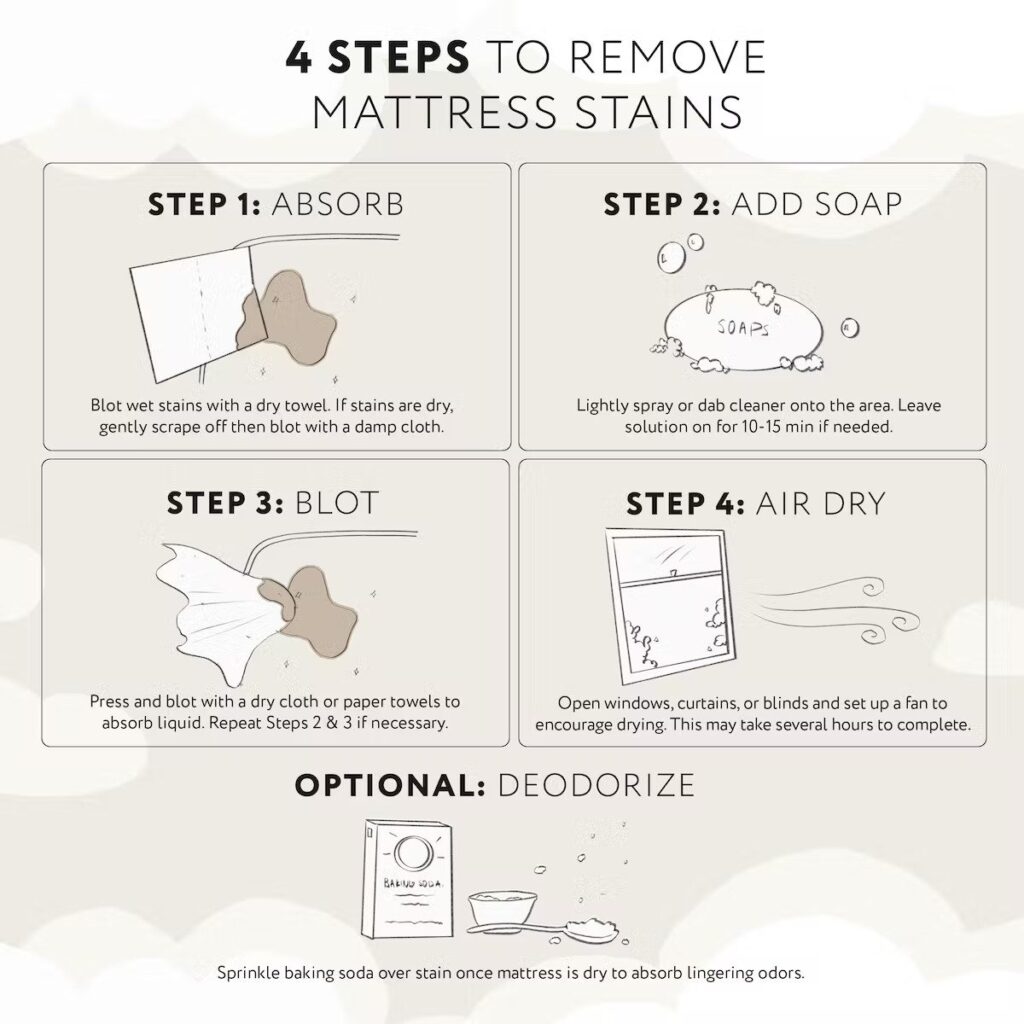
- Blot up liquid with a clean towel. Do not rub.
- Spray product on your cloth first, not the mattress.
- Use small amounts. Work from the outside toward the center.
- Airflow is your friend. Use a fan right away.
How to clean mattress stains from urine
- Blot as much as you can.
- Apply enzyme cleaner to a cloth and dab the stain.
- Let it sit for 10–15 minutes.
- Blot again with a dry towel.
- Lightly mist cold water on a cloth to lift residue.
- Sprinkle baking soda. Let it sit for 4–8 hours, then vacuum.
How to clean mattress stains from sweat and body odors
- Mix a few drops of mild dish soap in cold water.
- Lightly dab the area. Do not soak.
- Blot dry.
- Apply baking soda and wait a few hours.
- Vacuum well. For stubborn odors, repeat with an enzyme cleaner.
How to clean mattress stains from blood
- Use cold water only. Hot sets the stain.
- Dab with cold water and a little dish soap.
- If the stain stays, spot test 3% hydrogen peroxide on a cloth.
- Dab, let it bubble, then blot with a dry towel.
- Rinse with a damp cloth. Air-dry.
How to clean mattress stains from vomit
- Remove solids with a spoon, working gently.
- Blot liquids.
- Treat with enzyme cleaner and let it sit 15 minutes.
- Blot and follow with baking soda.
- Vacuum after it dries fully.
How to clean mattress stains from coffee, tea, or wine
- Blot at once.
- Mix one cup cold water with a few drops of dish soap.
- Dab and lift until the stain fades.
- If needed, use a little white vinegar on the cloth. Test first.
- Rinse with a damp cloth and dry with airflow.
How to clean mattress stains from oil or lotion
- Dust with baking soda to pull oils. Wait 30 minutes.
- Vacuum.
- Dab with dish soap and cold water.
- Repeat baking soda if needed. Dry well.
How to clean mattress stains from mildew odor or small spots
- Move the mattress to fresh air if you can.
- Very lightly wipe the area with 70% isopropyl alcohol on a cloth.
- Dry fast with fans and sun if possible.
- If you see widespread mold, call a pro. Foam and mold do not mix.
Pro drying tips I use after every clean:
- Run a fan across the bed for several hours.
- Prop the mattress on its side to improve airflow.
- If you can, place it in sunlight. UV helps odors fade.
Deep clean and deodorize the whole mattress
Even if you spot clean, a full refresh helps. This keeps dust and odors down and makes how to clean mattress stains easier next time.
- Strip all bedding and launder on hot if safe for the fabric.
- Vacuum the mattress top, sides, and seams with the upholstery tool.
- Sprinkle a thin layer of baking soda across the surface.
- Let it sit for 6–24 hours.
- Vacuum slowly to lift fine powder.
- Air the room and run a fan.
If you can move the mattress near a window, do it. Dry, bright air lifts smells. I do this deep clean every season in guest rooms and rentals.
Finish with a waterproof, breathable protector. This single step cuts future stains by more than half in my experience.
Prevent future stains and protect your sleep investment
Prevention is the quiet hero of how to clean mattress stains. Small habits save time and money.
- Use a zippered mattress encasement plus a washable protector.
- Keep a cleaning kit in your nightstand or closet.
- Set a no-drinks rule or use a bed tray if needed.
- Potty-train pets away from the bed.
- Shower or wipe down after workouts to reduce sweat stains.
- Control humidity. Aim for 40–50% to reduce musty odors.
If a spill happens, treat it that day. Fast action keeps stains from setting.
When to call a pro or replace
Some jobs need extra help. Calling a pro is a smart part of how to clean mattress stains when the issue is large or old.
Call a pro if:
- The stain covers a big area or smells strong.
- You suspect mold or bedbugs.
- DIY tries made the stain spread.
Expect a pro to use low-moisture tools on foam and deeper extraction on springs. Ask about drying times and products used. Get a clear quote. If you smell a sour, deep odor after cleaning, or see sagging, it may be time to replace the mattress.

Safety notes and simple chemistry
Smart safety keeps you and your mattress in good shape.
- Ventilate the room. Open windows or run a fan.
- Wear gloves if you work with peroxide, alcohol, or enzyme cleaners.
- Never mix bleach with vinegar or ammonia.
- Do not over-wet foam. Moisture can trap odors and fuel mold.
- Spot test every cleaner on a hidden area first.
- Read labels and follow dwell times. Enzymes need time to work.
Public guidance notes that porous surfaces are hard to disinfect fully. Focus on soil removal, fast drying, and odor control. That is the core of how to clean mattress stains well and safely.
A simple maintenance calendar that works
Make upkeep easy. Small actions add up.
Weekly
- Wash the protector with your sheets.
- Quick vacuum of the top if you have pets.
Monthly
- Vacuum the mattress and seams.
- Check for new spots and treat fast.
Seasonal
- Deep clean with baking soda.
- Rotate or flip if the mattress allows.
- Air out in sunlight if possible.
This routine keeps your bed clean and cuts the time you spend on how to clean mattress stains later.

Common mistakes to avoid
Little slip-ups can set stains or damage foam. These are the big ones I see.
- Rubbing the stain hard, which spreads it.
- Pouring water or cleaner directly on the mattress.
- Using hot water on blood, urine, or sweat.
- Skipping the dry step and trapping moisture.
- Using strong bleach on foam or colored fabrics.
- Forgetting the protector after you clean.
Avoid these, and how to clean mattress stains becomes quick, calm, and stress-free.
Frequently Asked Questions of how to clean mattress stains
How fast should I act after a spill?
Right away. Blot first, then treat. Fast action keeps stains from setting and prevents odors.
Can I use hydrogen peroxide on all mattresses?
Use 3% only and spot test first. Peroxide can lighten fabrics and may harm some foams.
Do steam cleaners work on memory foam?
I do not suggest it. Steam adds too much moisture and can lead to odors or mold inside foam.
What if the urine smell lingers after cleaning?
Repeat the enzyme cleaner step and let it dwell longer. Add baking soda and give it a full day to dry before vacuuming.
Is vinegar safe for how to clean mattress stains?
Use it sparingly and never mix with bleach. It can help with some odors but may not beat protein stains like urine.
How often should I deep clean a mattress?
Aim for every season. If you have pets, kids, or allergies, consider every two months.
Can sunlight really help with odors?
Yes, fresh air and light help dry moisture and reduce smells. Avoid long, hot exposure on foam.
Do mattress protectors make a real difference?
Yes. A waterproof, breathable protector is the best defense against spills and sweat.
Conclusion
You now have a clear plan for how to clean mattress stains and keep your bed fresh. Act fast, use the right cleaner for the stain, and dry well. Protect the surface and follow a simple routine to prevent future messes.
Try one tip today, even if it is as small as washing your protector or setting up a cleaning kit. Ready for more easy home wins? Subscribe for practical guides, or leave a comment with your toughest stain and I’ll help you solve it.

Table of Contents