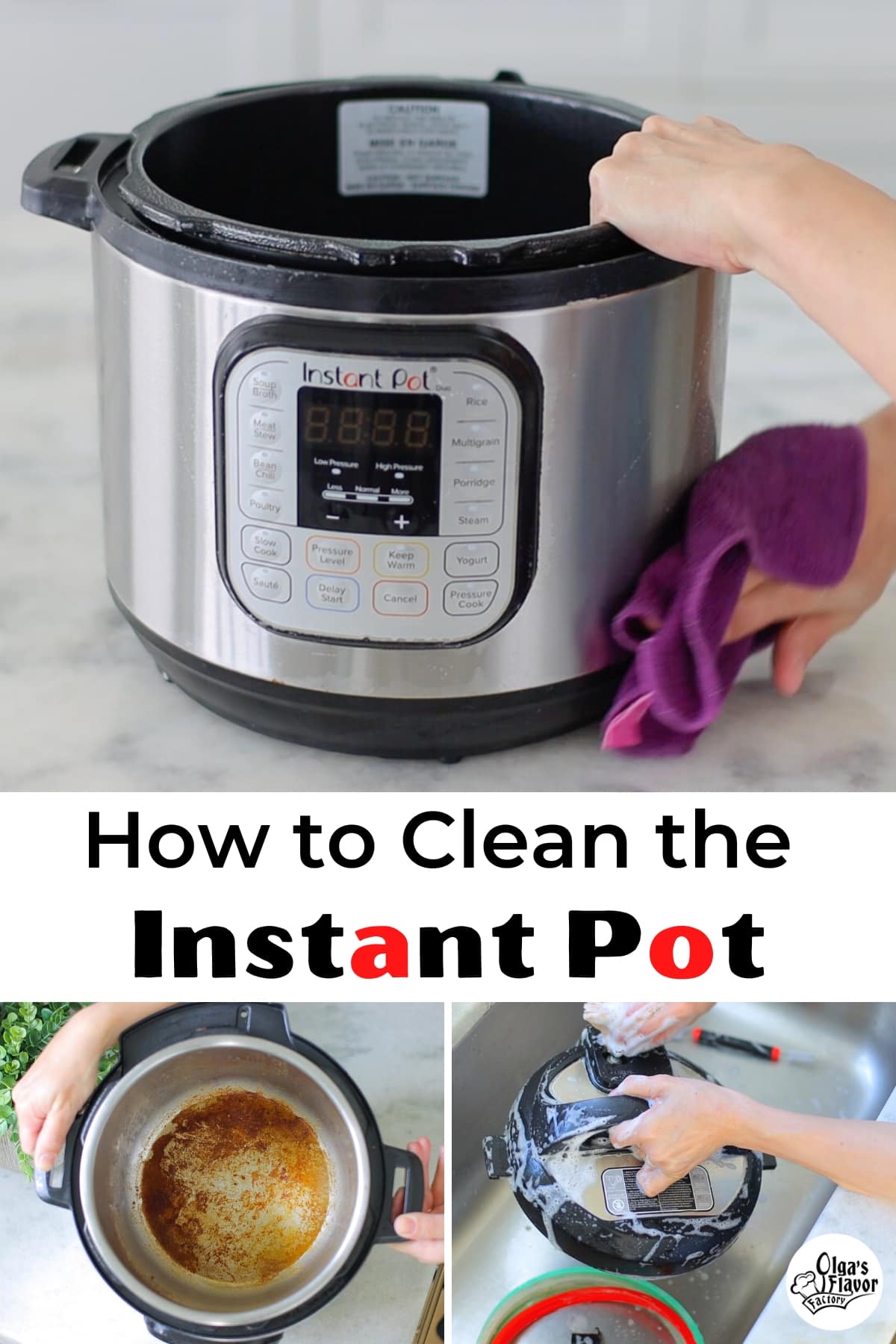
Disassemble, wash pot and lid, scrub gasket and valve, rinse, dry fully.
If you want your cooker to run safe, seal well, and last for years, you must know how to clean a pressure cooker the right way. I’ve cleaned both stovetop and electric models for a decade, and I’ll show you how to clean a pressure cooker step by step, with pro tips to fix stains, remove odors, and keep the steam system working like new.
Why cleaning your pressure cooker matters
A clean cooker seals faster, cooks evenly, and is safer. Leftover oil and food can clog the steam release parts and cause weak pressure or off smells. Mineral film can dull the pot and make food stick.
I’ve seen gaskets fail because they were never cleaned or replaced. That leads to leaks, longer cook times, or even sputtering. When you learn how to clean a pressure cooker, you reduce risk and protect your investment.

Tools and supplies you’ll need
- Soft sponge or non-scratch scrub pad
- Mild dish soap
- Baking soda
- White vinegar or food-grade citric acid
- Small bottle brush or old toothbrush
- Microfiber cloth
- Wooden or silicone scraper
- Non-abrasive stainless steel cleaner (for stainless pots)
- Plastic container or bowl for soaking parts
- Cotton swab for tight spots
- Clean, dry towel
Step-by-step: How to clean a pressure cooker after every use
Follow this simple routine. It takes a few minutes and keeps parts in top shape. This is the core of how to clean a pressure cooker safely and well.
Cool and disassemble
- Let pressure drop fully.
- Unplug electric models.
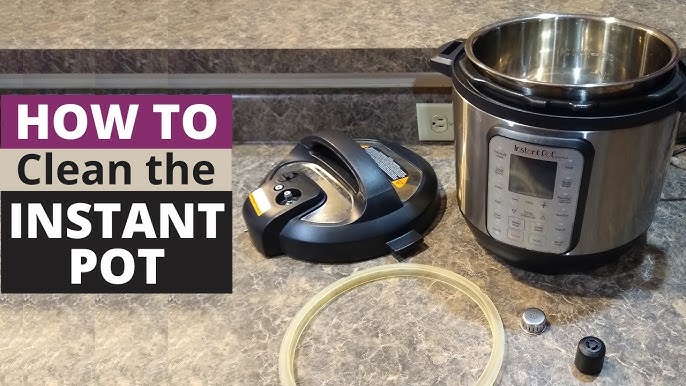
- Remove the inner pot, lid, gasket, steam release parts, and any small caps or shields.
Wash the pot
- Use warm soapy water and a soft sponge.
- Rinse and dry right away to prevent water spots.
Clean the lid
- Wash both sides with mild soap.
- Lift the anti-block shield if your lid has one and clean under it.
- Rinse and dry.
Scrub the sealing ring
- Remove the ring from the lid.
- Wash with soap and warm water.
- Rinse and air-dry fully before putting it back.
Clear the steam path
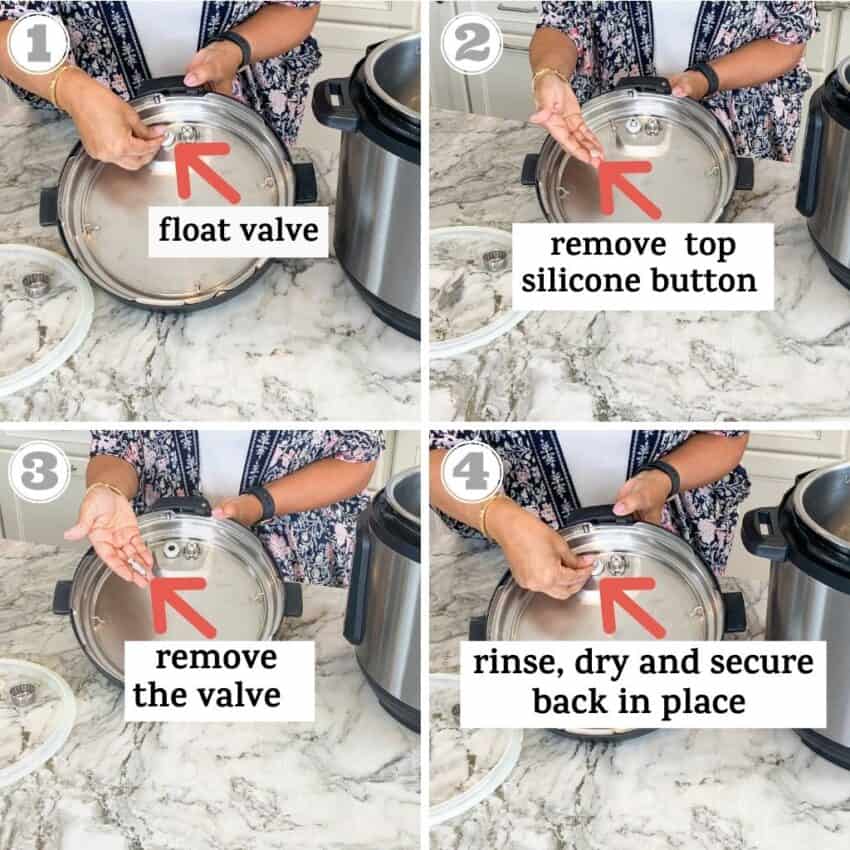
- Use a bottle brush or toothbrush on the steam release valve and float valve.
- Run water through small holes.
- Use a cotton swab to clean tiny channels.
Wipe the base (electric models)
- Never submerge the base.
- Wipe with a damp cloth. Dry at once.
- Clean the heating plate with a dry cloth only.
Reassemble and store
- Make sure all parts are dry.
- Store the lid upside down on the pot so air flows.
- Keep the ring slightly loose or store it off the lid to prevent compression.
Pro tip: If your kitchen water is hard, use a quick vinegar rinse on the pot to cut film. That one habit is key in how to clean a pressure cooker so it stays shiny.

Deep cleaning and descaling schedule
Do this once a month, or more often with heavy use. It’s the part many skip when they think about how to clean a pressure cooker.
Stainless steel inner pot
- For cloudy film: Add 1 cup water and 1 cup white vinegar. Simmer 2–3 minutes. Cool, wash, and dry.
- For rainbow tint: Rub with a drop of stainless cleaner. Rinse well.
- Avoid steel wool. Use non-scratch tools only.
Aluminum inner pot
- Skip vinegar boils and chlorine bleach. Both can pit aluminum.
- Use warm soapy water and a paste of baking soda for stains. Rinse well.
Nonstick inner pot
- Use only soft sponges.
- No abrasive cleaners.
- If food sticks, soak in warm soapy water for 20 minutes, then wipe.
Gasket and steam parts
- Soak the sealing ring in a mix of 1 part vinegar to 3 parts water for 15 minutes. Rinse and dry.
- Soak metal parts in hot soapy water. Scrub and rinse.
Odor removal
- For stubborn smells: Soak the ring in warm water with 1 tablespoon baking soda for 30 minutes.
- You can keep two rings: one for savory, one for sweet.
Why it matters
- Manufacturers and food safety pros recommend regular descaling to maintain heat transfer and sealing.
- Clean parts reduce cooking time and prevent off-flavors.
How to clean a burnt pressure cooker pot
If something scorches, don’t panic. This is an easy fix and a big part of how to clean a pressure cooker when things go wrong.
Method 1: Baking soda simmer
- Fill the pot with 1 inch of water.
- Add 1–2 tablespoons baking soda.
- Bring to a gentle simmer for 10–15 minutes.
- Cool, then scrape gently with a wooden or silicone scraper.
- Wash, rinse, and dry.
Method 2: Non-abrasive polish (stainless only)
- Use a small amount of non-abrasive stainless cleaner.
- Rub with a damp sponge in the grain direction.
- Rinse well and dry.
Avoid
- Steel wool or metal scouring pads. They scratch and can cause sticking later.
- Bleach. It can corrode metal and damage seals.
Personal tip: I once burned a tomato sauce in a stainless pot. The baking soda simmer lifted it with almost no effort. Rinsing while the pot was still warm made the last bits slide off.
Maintenance, storage, and safety checks
Add these quick checks to your routine. They help you master how to clean a pressure cooker for the long haul.
Monthly
- Inspect the sealing ring. Replace if cracked, stiff, or loose.
- Check the steam release valve and float valve for buildup.
- Clean under the anti-block shield on the lid.
Every 12–18 months
- Replace the seal and small lid gaskets as the maker suggests.
- Replace the steam release cap if it is warped or sticky.
Storage
- Store the lid upside down to let air flow.
- Keep the ring away from heat and sunlight.
- If you do not use it often, store the ring in a zip bag to block odors.
Safety note
- If pressure takes longer than normal or steam leaks from the sides, clean the seal and valve first. Then check for wear.
- For electric models, inspect the power cord and plug.

Troubleshooting stains, odors, and cloudy film
Cloudy white film
- Cause: Minerals from hard water.
- Fix: Vinegar rinse for stainless. Baking soda paste for aluminum.
Blue or rainbow tint on stainless
- Cause: Heat and minerals.
- Fix: Mild stainless cleaner or vinegar rinse. Safe and normal.
Persistent food odors
- Cause: Sealing ring absorption.
- Fix: Baking soda soak, sunlight air-out, or keep two rings.
Rust spots on stainless
- Cause: Contact with steel wool or rusty racks.
- Fix: Use a non-abrasive cleaner. Rinse and dry at once.
Sticky steam release
- Cause: Starch buildup.
- Fix: Disassemble and scrub with a small brush and soapy water. Rinse well.
These quick wins are part of how to clean a pressure cooker so it looks and works like new.
:strip_icc()/washing-insta-pot-lid-18508653-0111b8eb36d642f1bd732471be39e113.jpg)
Eco-friendly and food-safe cleaning tips
Simple, safe products work best. They are gentle on parts and your food.
- Use baking soda for stuck-on bits and odors.
- Use white vinegar or citric acid to cut mineral film.
- Choose plant-based dish soap for daily washes.
- Air-dry parts when possible to save towels and reduce lint.
- Avoid harsh bleach and oven cleaners, which can damage seals and coatings.
If you follow these tips, how to clean a pressure cooker becomes fast, safe, and green.
Frequently Asked Questions of how to clean a pressure cooker
How often should I deep clean my pressure cooker?
Deep clean once a month if you use it often. If you cook starchy foods a lot, clean the valves weekly.
Can I put the lid and parts in the dishwasher?
Most lids and rings are hand-wash only. Check your manual; some inner pots are dishwasher safe, but hand washing extends life.
How do I remove the smell of curry or onions from the sealing ring?
Soak the ring in warm water with baking soda for 30 minutes. Air-dry in sunlight to help odors fade.
Is vinegar safe for all pressure cookers?
Vinegar is great for stainless steel. For aluminum, use baking soda instead because acids can cause pitting.
What if the steam release valve is clogged?
Disassemble and scrub with a small brush under warm soapy water. Rinse well and ensure all holes are clear before reuse.
Can I clean the electric base with water?
Do not submerge the base. Wipe with a damp cloth and dry at once; keep liquids away from the heating plate.
How often should I replace the sealing ring?
Replace every 12–18 months, or sooner if you see cracks or smell that will not wash out. Heavy use shortens the timeline.
Conclusion
A clean pressure cooker is safer, faster, and tastier. Break cleaning into small steps: wash the pot and lid, clear the valves, refresh the ring, and descale on a schedule. That is the simple, proven way to master how to clean a pressure cooker.
Take five minutes today to do a quick clean, and put deep cleaning on your calendar. Your meals will improve, and your cooker will last longer. Want more tips like this? Subscribe, share your questions, or leave a comment with your best cleaning trick.

Table of Contents