Wash bed sheets every 7 days; more often if you sweat, are sick, or own pets.
If you have ever wondered how often to wash bed sheets, you are not alone. I have spent years testing routines for families, athletes, and allergy sufferers. In this guide, I will help you set a simple schedule that fits your life and keeps your bed fresh. You will learn what changes the timeline, what science says, and how to wash sheets the right way for skin, sleep, and health.
Why clean sheets matter
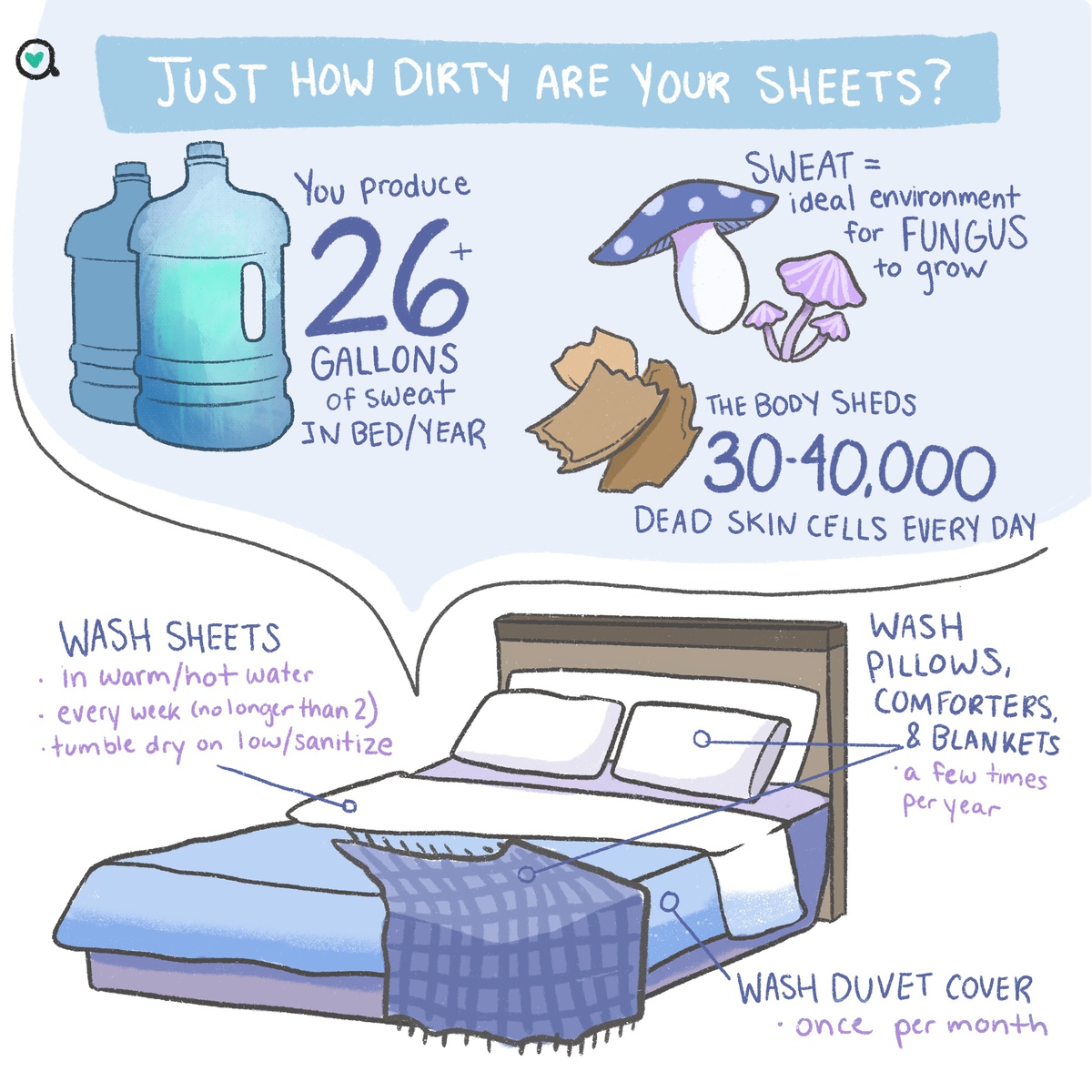
Your bed collects sweat, skin cells, body oils, hair, dust, and pollen. Pets add dander and dirt. Over time, this build-up can trigger allergies and skin flare-ups. It can also make your bed smell and feel sticky.
Studies show bedding holds bacteria and dust mites that feed on skin cells. Regular washing lowers this load and keeps symptoms down. If you wake up stuffy or itchy, sheets may be part of the cause.
As someone with mild dust allergies, weekly washing changed my mornings. Less sneezing. Fewer breakouts. A clean bed also feels calmer, which can help you fall asleep faster.
The short answer: how often to wash bed sheets for most people
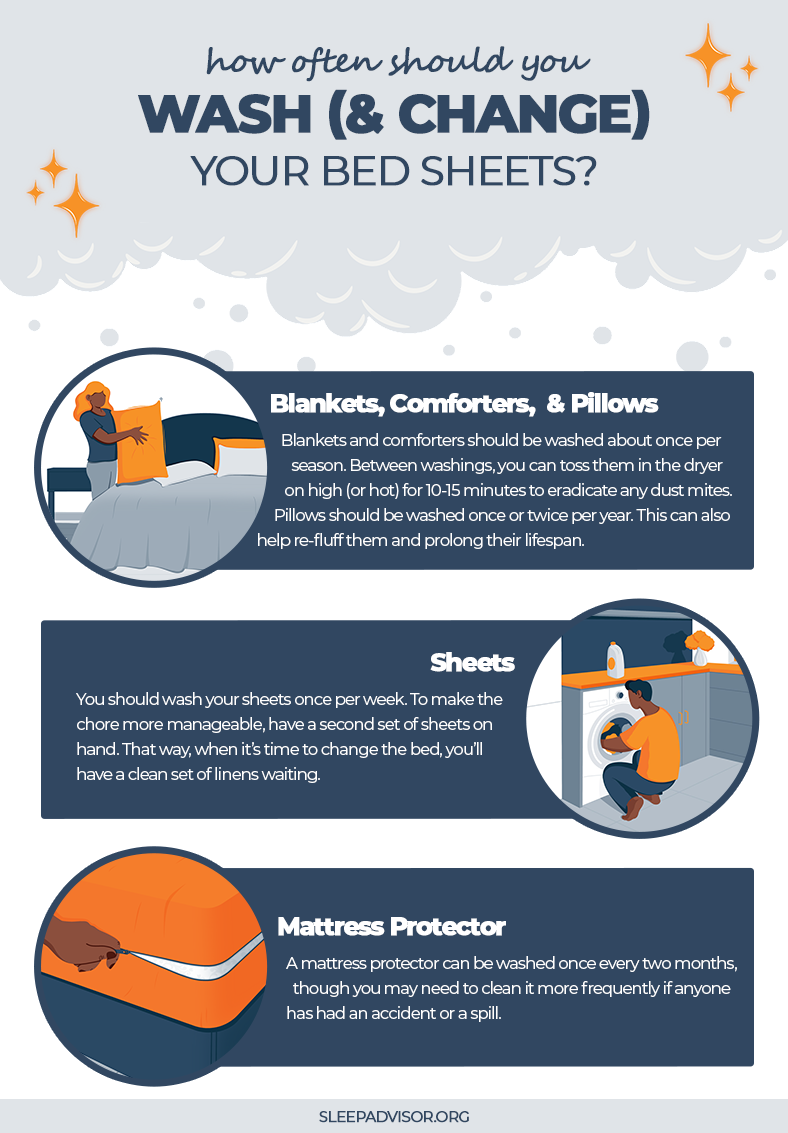
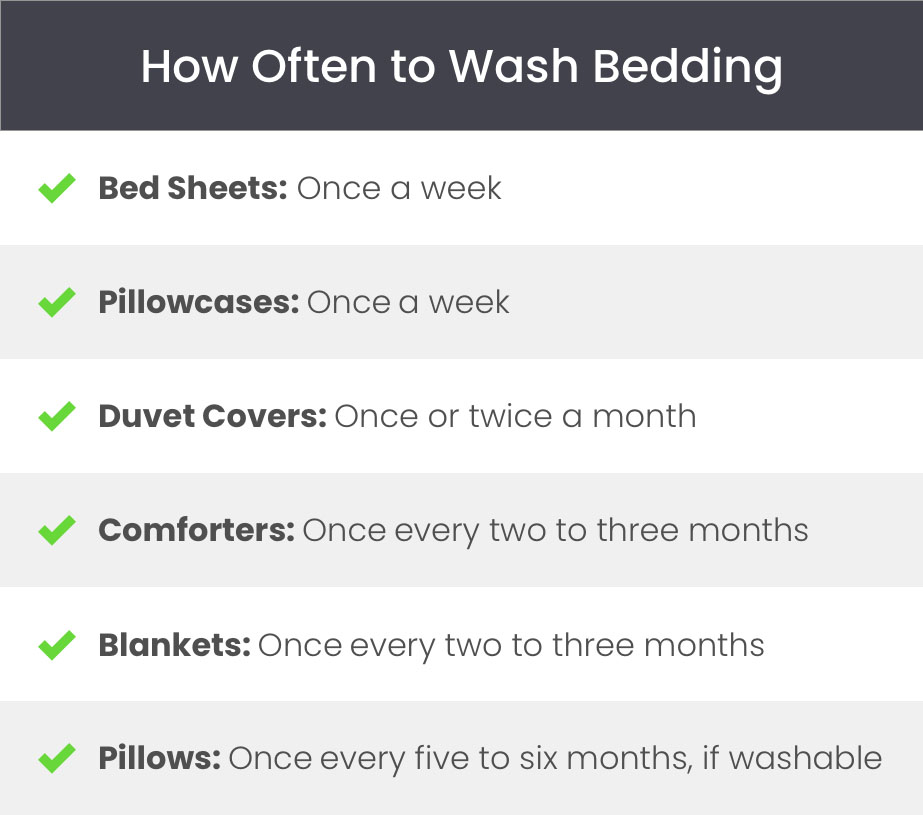
If you want a clear rule, wash sheets once a week. That is the best baseline for clean sleep and healthy skin. It works for most people, most of the year.
Here is a quick guide you can use:
- Most adults: every 7 days.
- Hot sleepers or athletes: every 3 to 4 days.
- Allergies, asthma, eczema, or acne: every 3 to 7 days.
- Pets in bed: every 3 to 7 days.
- Illness in the home: pillowcases daily; sheets every 2 to 3 days.
- Guest beds: after each guest; if unused, wash every 1 to 2 months.
If you asked me how often to wash bed sheets for a busy household, I would still say weekly. Add a midweek pillowcase swap to keep faces clear. When in doubt, choose the shorter timeline.
When to wash more often
Some cases call for more than weekly. Use these signs and settings as your cue:
- You sweat at night, work out late, or live in a hot, humid area. Aim for every 3 to 4 days.
- You have allergies, asthma, eczema, or acne. Keep dust, oils, and pollen low with washes every 3 to 7 days.
- Pets sleep on the bed. Pet fur and dander build fast. Wash every 3 to 7 days.
- You are sick, or someone in the home is. Wash sheets every 2 to 3 days, pillowcases daily.
- Pollen is high or windows are open. Wash more often during peak seasons.
If you wonder how often to wash bed sheets in summer, choose the tighter window. Your skin and sinuses will thank you.
When you can wash less often
You can stretch to every 10 to 14 days in low-risk cases. That means you:
- Shower before bed.
- Wear clean sleepwear.
- Do not sweat much.
- Use a mattress and pillow protector.
- Keep pets out of the bed.
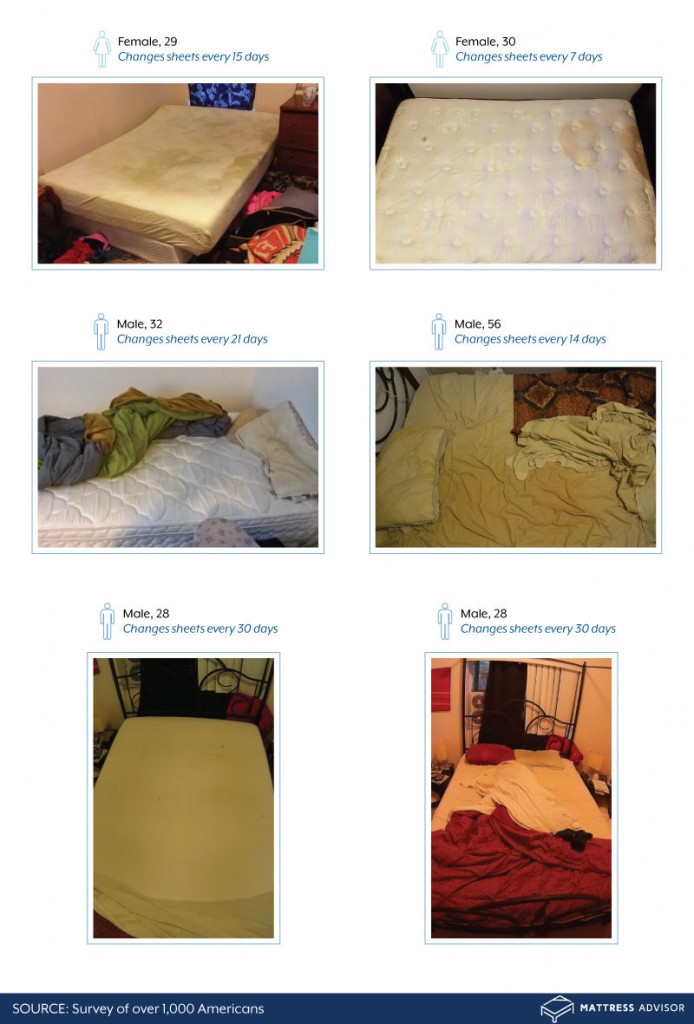
I rarely advise going longer than 2 weeks. Even clean sleepers shed skin and oils. If you want to be safe, stay within two weeks at most. This keeps odor and allergens under control.

How to wash bed sheets the right way
Good washing is about fabric care, heat, and rinse quality. Follow this simple plan:
- Check the care label. Cotton, percale, and microfiber handle warm to hot water. Linen likes warm. Silk and bamboo often need cool water and a gentle cycle.
- Sort by color and fabric. Wash sheets alone to reduce lint and pilling.
- Pre-treat stains. Use an enzyme spray on body oils or makeup. Spot treat before the wash.
- Choose the right temp. Warm water cleans well and is gentle on most fibers. Hot water helps reduce allergens for cotton and durable blends.
- Use the right dose of detergent. More soap leaves residue. Use a fragrance-free formula if you have sensitive skin.
- Skip liquid fabric softener on cotton and microfiber. It coats fibers and traps oils. Use wool dryer balls instead.
- Select a long rinse. A second rinse helps remove suds and skin debris.
- Dry well. Tumble on medium to high heat for cotton. Use low heat or air-dry for silk and bamboo. Make sure sheets are fully dry before storing.
- Sanitize sometimes. For allergies, use hot water when the fabric allows, or add an oxygen-based booster.
- Store smart. Fold sheets loosely and keep them in a dry, cool space.
If you ask how often to wash bed sheets and how to do it best, the short answer is weekly with warm water, then dry fully. That keeps them fresh and strong.

Smart weekly and monthly sheet schedule
Set a plan that runs on autopilot. Here is an easy routine I give clients:
- Keep two to three sheet sets per bed for quick swaps.
- Wash sheets every weekend. Swap pillowcases midweek.
- Wash mattress and pillow protectors every 1 to 2 months, or after spills.
- Treat stains right away so they do not set.
- Add a calendar reminder so you do not slip.
This makes how often to wash bed sheets a habit, not a debate.

Signs it is time to wash now
Do not wait for laundry day if you notice:
- A musty or sour smell when you pull back the covers.
- Oily or sticky fabric, or visible lint and hair.
- Itchy skin or a stuffy nose in the morning.
- New breakouts along the jawline or cheeks.
- Yellowing on pillowcases from sweat or skincare.
If you see these, wash today. It is a fast reset.
Eco-friendly and time-saving tips
You can keep sheets clean and still save time and energy:
- Run full loads, but do not overfill. Sheets need space to rinse well.
- Use warm water and an enzyme detergent for most loads. Go hot only when fabric allows or allergies flare.
- Dry on medium heat and remove early to avoid wrinkles. Line dry in the sun when you can. UV helps freshen.
- Choose breathable fabrics like cotton or linen. They wash and dry faster than heavy blends.
- Keep pets off the bed to reduce wash frequency.
- Shower at night and skip heavy lotions. This keeps sheets cleaner longer.
These habits lower how often to wash bed sheets without giving up hygiene.
Seasonal and climate tips
Adjust your plan to the weather:
- Summer and humid climates: wash every 3 to 7 days due to sweat and mold risk.
- Winter and dry climates: weekly is fine. Use a longer rinse to clear lotion build-up.
- Pollen season: close windows on high-count days and wash more often.
- Beach trips and camping weekends: sand and sunscreen call for an extra wash when you return.
If you travel often, set a reminder so how often to wash bed sheets does not slip. Clean bedding makes coming home feel great.
Frequently Asked Questions of How often to wash bed sheets
Is weekly washing enough for most people?
Yes. Weekly washing keeps oils, dust, and allergens at a low level. If you sweat a lot or have pets in bed, move to every 3 to 4 days.
Can I go a month without washing sheets?
It is not a good idea. Odor, skin oils, and dust mites can build up fast. Try not to go longer than two weeks.
How often should I wash pillowcases?
Change pillowcases every 2 to 3 days if you have acne or use hair and face products. Otherwise, swap weekly with your sheets.
What is the best water temperature for sheets?
Use warm water for everyday cleaning. Use hot water for cotton if you need extra allergen control and the label allows it.
Do I need to wash new sheets before first use?
Yes. New sheets can have finishing agents and lint. A quick wash makes them softer and cleaner.
How many sheet sets should I own per bed?
Two to three sets per bed is ideal. One on the bed, one clean, and one as backup.
How often to wash bed sheets if I have pets?
Aim for every 3 to 7 days. Brush pets and use a washable blanket on top to help.
Conclusion
A simple rule works for most homes: wash bed sheets every 7 days. Tighten the schedule if you sweat, have pets, or deal with allergies. Stretch only to two weeks in low-risk cases and keep pillowcases on a faster swap.
Start with one habit this week. Set a reminder, add a spare set, and make your bed a cleaner place to rest. If this helped, share your routine in the comments or subscribe for more practical home care tips.

Table of Contents