Most mattresses should be replaced every 7–10 years, or sooner if comfort fades.
If you’ve been wondering how often should you replace your mattress, you’re in the right place. I test sleep products for a living and help people fix aches with better sleep setups. In this guide, I’ll walk you through the real signs, timelines, and must-know tips so you can make a confident, healthy choice without wasting money.

Why mattress lifespan varies
There is no single date that fits everyone. How often should you replace your mattress depends on materials, body weight, climate, and daily habits. Some beds keep support longer. Others soften fast and cause subtle aches.
These factors change lifespan the most:
- Materials and build quality. Latex and high-density foams generally last longer than basic innersprings.
- Body weight and sleep position. Heavier bodies and side sleepers create deeper impressions over time.
- Co-sleepers and kids or pets. Extra weight and movement speed up wear, especially in the middle.
- Humidity and heat. Warm, humid rooms can soften foam and invite allergens.
- Foundation and bed frame. Poor support can cause sagging or coil fatigue.
I’ve seen two similar mattresses age very differently. A hybrid on a strong platform with a protector lasted nine years. The same model on slats too far apart sagged in five.
Signs it’s time to replace your mattress
You don’t need to guess. Your body and your bed tell the story. If you see these, it may be time.
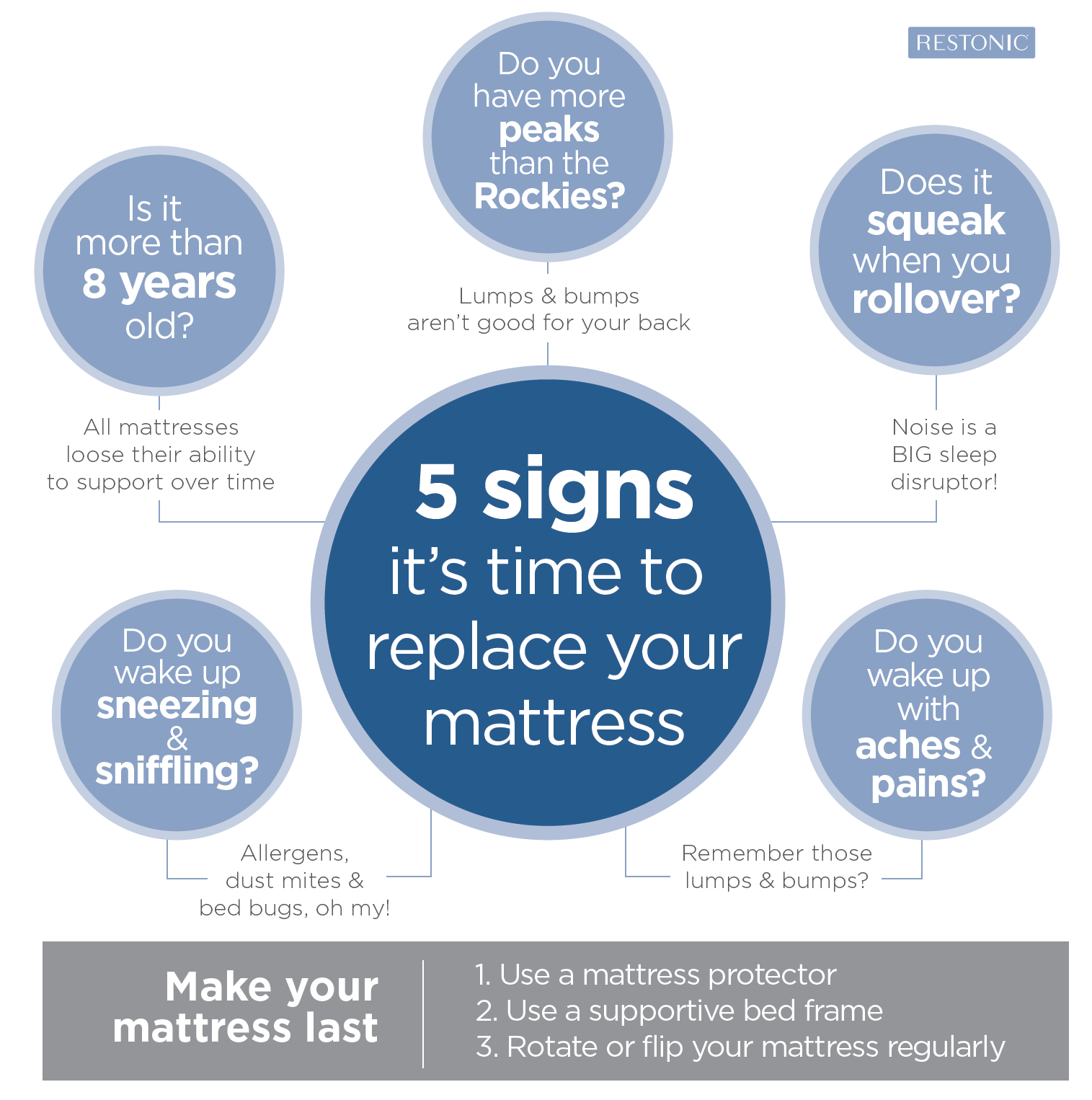
- Visible sagging or body impressions. Over about 1 inch is a red flag. Many warranties use 1.5 inches as a threshold.
- Morning aches or numbness. If you feel better on a hotel bed or sofa, your mattress is likely the culprit.
- More tossing and turning. When support fades, your body searches for pressure relief.
- New allergies or stuffy nose at night. Older beds can hold dust mites and trapped moisture.
- Squeaks, creaks, or broken coils. Noises often point to worn parts or loose joints.
- Temperature issues. Foams that used to sleep cool can feel warmer as airflow changes.
Try three quick checks:
- The string test. Pull a taut string across the surface and measure the dip with a ruler.
- The credit card edge test. Slide a card across the top; if it disappears into a trench, that’s a dip.
- The hotel test. If you sleep better away from home, that’s useful data for how often should you replace your mattress.
Average lifespans by mattress type
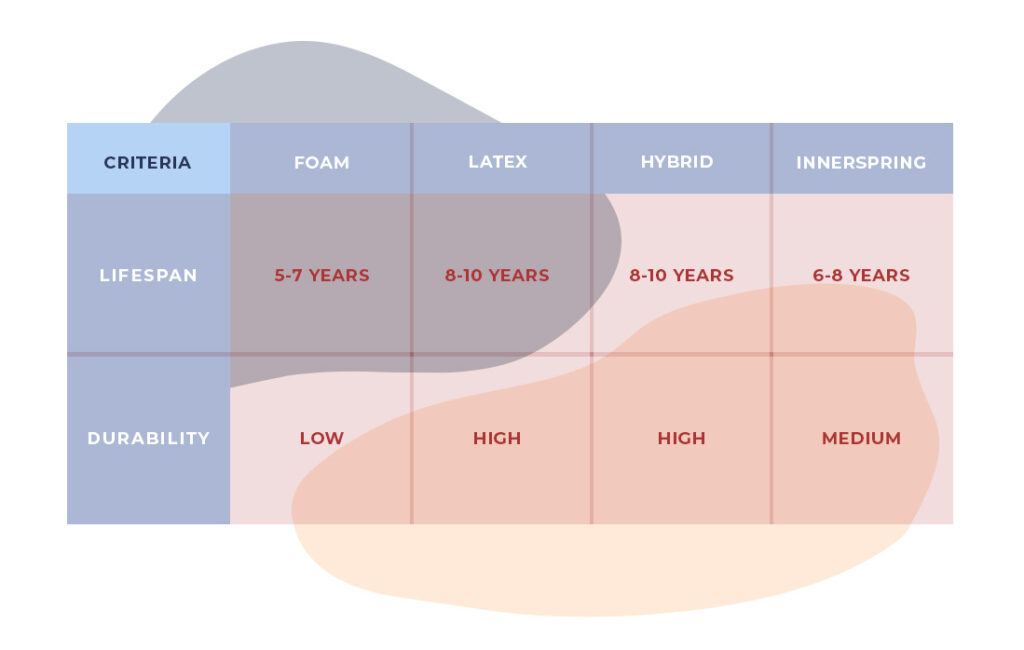
Each type ages in its own way. Here is a practical range based on real-world use.
- Innerspring. About 5–8 years. Good bounce but can lose support and get noisy.
- Pocketed coil innerspring. About 6–10 years. Better motion control, still prone to middle sag if unsupported.
- Memory foam. About 6–8 years. Softer feel can develop impressions sooner in low-density foams.
- High-density memory foam. About 8–10 years. Better at holding shape and support.
- Latex (natural or blended). About 10–15+ years. Very durable and resilient when quality is high.
- Hybrid (foam + coils). About 7–10 years. Balanced feel; lifespan depends on foam density and coil gauge.
- Air adjustable. Varies widely. Pumps and chambers can last long with maintenance, but parts may need service.
A warranty is not lifespan. It covers defects, not comfort loss. Many people ask how often should you replace your mattress when the warranty still looks long. Go by comfort and support first, paperwork second.

How to extend mattress life safely
You can add months or years with simple care. I’ve helped clients get 18 extra months from a hybrid with these steps.
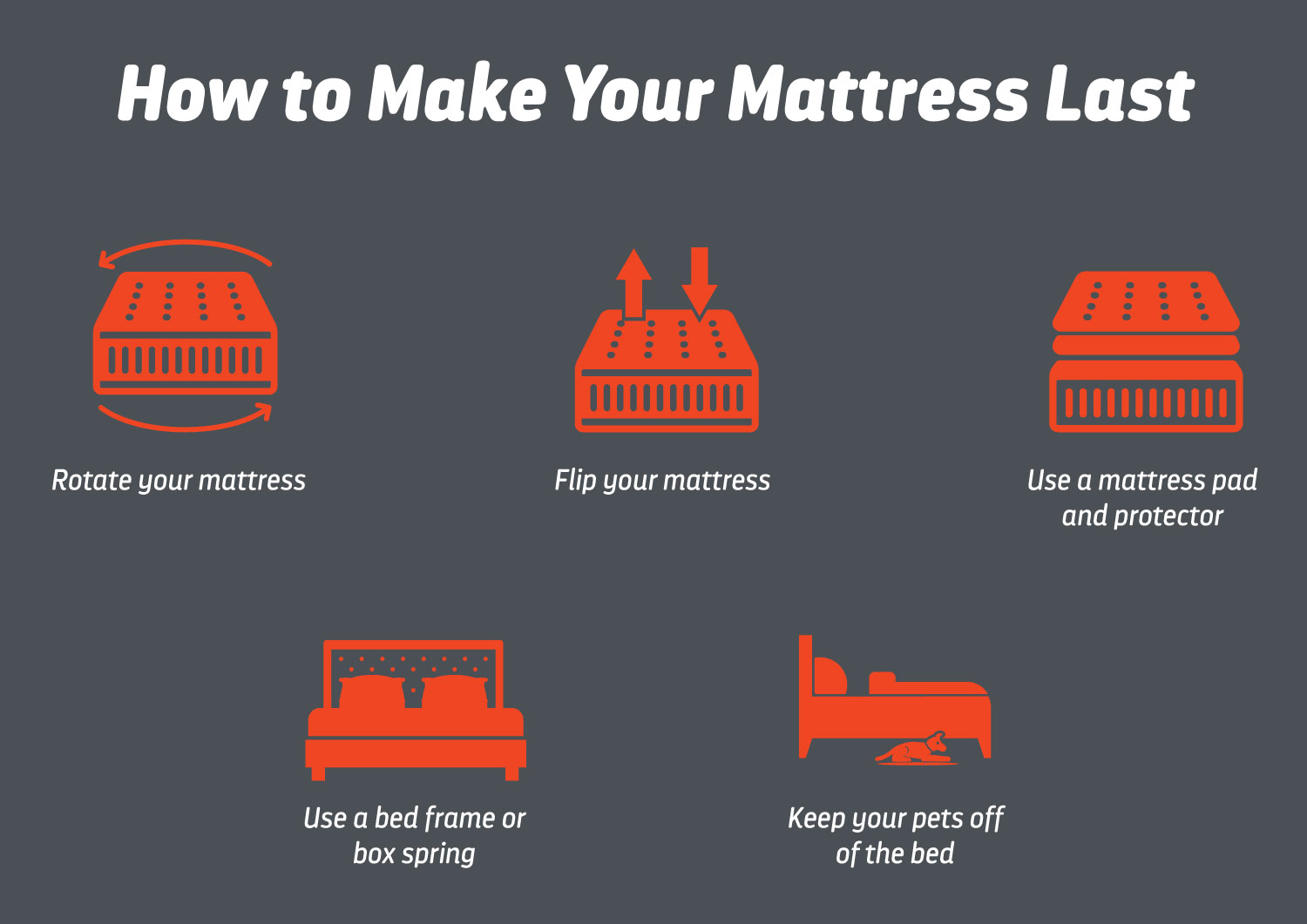
- Rotate head-to-foot every 3–6 months unless the maker says otherwise.
- Use a waterproof, breathable protector from day one to block sweat and spills.
- Vacuum the surface monthly on low power and spot-clean gently.
- Keep slats close enough. Most foam and hybrid beds need slats no more than 3 inches apart.
- Avoid jumping or sitting on the same edge daily. Vary where you sit if you work in bed.
- Air out bedding weekly. Pull back covers in the morning for 20 minutes to release moisture.
- Flip only if the mattress is truly double-sided. Most modern beds are not.
These steps delay soft spots and help you decide, with confidence, how often should you replace your mattress based on feel, not guesswork.

Health, hygiene, and performance factors
Sleep is health. A tired mattress can steal rest in quiet ways. Over time, beds collect dust, sweat, and skin cells. Dust mite buildup is real, especially in humid rooms. The old claim that mattresses double in weight is a myth, but allergies can still rise in older beds.
If you have asthma, allergies, or run hot:
- Use a zippered, allergen-proof encasement in addition to a protector.
- Wash sheets and pillowcases weekly in hot water.
- Let sunlight and airflow hit the mattress when possible.
Stronger support helps spine alignment. When support fades, small misalignments create morning pain. This is often the real driver behind how often should you replace your mattress.
How to choose your next mattress
When it’s time, shop with a plan. Match feel to your body, not a trend.
- Start with your main sleep position.
- Side sleepers. Medium to medium-soft with strong pressure relief.
- Back sleepers. Medium to medium-firm with steady lumbar support.
- Stomach sleepers. Medium-firm to firm to keep hips from sinking.
- Check foam density and coil specs. Higher-density foams and thicker-gauge coils last longer.
- Look for clear trial and return terms. At least 90–120 nights is helpful.
- Verify certifications. For foams, look for low VOC claims like CertiPUR-US. For latex and fabrics, look for GOLS, GOTS, or OEKO-TEX.
- Pair with the right base. Get slats close enough or use a solid platform made for your mattress type.
- Test pillow fit. A new bed may need a different pillow height to keep your neck aligned.
Choosing well reduces the stress of how often should you replace your mattress and saves money over time.

Sustainable disposal and recycling
A good goodbye matters. Many parts can be recycled or reused.
- Ask your retailer about haul-away programs. Some include recycling.
- Use a certified mattress recycling center if your city offers one.
- Donate only if the mattress is clean and still supportive. Check local rules first.
- Use municipal bulk pickup if recycling is not available. Follow guidelines to avoid fines.
- Never dump. It harms the community and can be illegal.
When people ask how often should you replace your mattress, I also ask how they plan to dispose of it. A plan keeps the process smooth and responsible.
A simple decision framework: how often should you replace your mattress
Use this quick checklist. If you say yes to two or more, consider replacing soon.
- You feel better on other beds than on yours at home.
- Your mattress shows more than 1 inch of sag or deep body impressions.
- You wake with new aches, numbness, or stiffness that fades by midday.
- You notice more sneezing or stuffiness at night than during the day.
- Your bed is over 8 years old and comfort has declined.
- Your weight, health, or sleep position has changed.
Time guide you can trust:
- Years 0–3. Break-in and peak comfort.
- Years 4–7. Watch for small dips and more pressure points.
- Years 7–10. Evaluate yearly. This is when many beds need replacing.
- Years 10+. Replace if comfort or hygiene is slipping, even if parts still look fine.
This framework turns how often should you replace your mattress into a simple, practical decision.
:max_bytes(150000):strip_icc()/replace-mattress-GettyImages-1320933769-c357c11a8939440f9b600b48cfa24837.jpg)
Frequently Asked Questions of how often should you replace your mattress
Does body weight change how often should you replace your mattress?
Yes. Heavier bodies create deeper impressions and wear materials faster. Expect the shorter end of the normal range and consider higher-density foams or latex.
Can a topper delay replacement?
A topper can add pressure relief and improve comfort for a year or two. It will not fix deep sagging or lost core support.
Is it normal for a mattress to soften in the first year?
Yes. Foams and fibers settle during the break-in period. Light softening is normal, but deep impressions early may signal low-quality materials.
Do warranties tell me how often should you replace your mattress?
No. Warranties cover defects, not comfort loss. Replace based on comfort, support, and hygiene, even if the warranty is still active.
Will flipping make my mattress last longer?
Only if it is double-sided. Most modern mattresses are one-sided and should be rotated, not flipped.
How do allergies factor into how often should you replace your mattress?
If night allergies worsen, your mattress may be holding dust mites or moisture. A protector and encasement help, but older beds may still need replacing.
Conclusion
You now know the signs, timelines, and simple tests that make this choice clear. Most people will replace their mattress every 7–10 years, but your body’s comfort, visible sagging, and sleep quality are the final word. When in doubt, test, measure, and trust how you feel in the morning.
Take one step today. Check for impressions, rotate your mattress, and note how you feel after a week. If it’s time, use the guide above to choose well, sleep better, and stop wondering how often should you replace your mattress. Want more practical sleep tips? Subscribe, share your questions, or leave a comment with your mattress story.

Table of Contents