You measure bulb brightness in lumens; lux shows light on a surface.
If you have ever asked how do you measure the brightness of a light bulb, this guide is for you. I will break down lumens, lux, and candela in simple terms. I’ll share pro tips, real test steps, and mistakes to avoid. By the end, you will know how to compare bulbs and test them at home like a pro.

What “brightness” really means when you ask how do you measure the brightness of a light bulb
Brightness can mean many things. In lighting, we use a few clear terms.
- Lumens measure total light a bulb emits. Think of lumens as the size of the light “bucket.”
- Lux measures light falling on a surface. One lux is one lumen per square meter. It shows how bright a desk or floor looks.
- Candela measures intensity in a given direction. It helps with flashlights and spotlights.
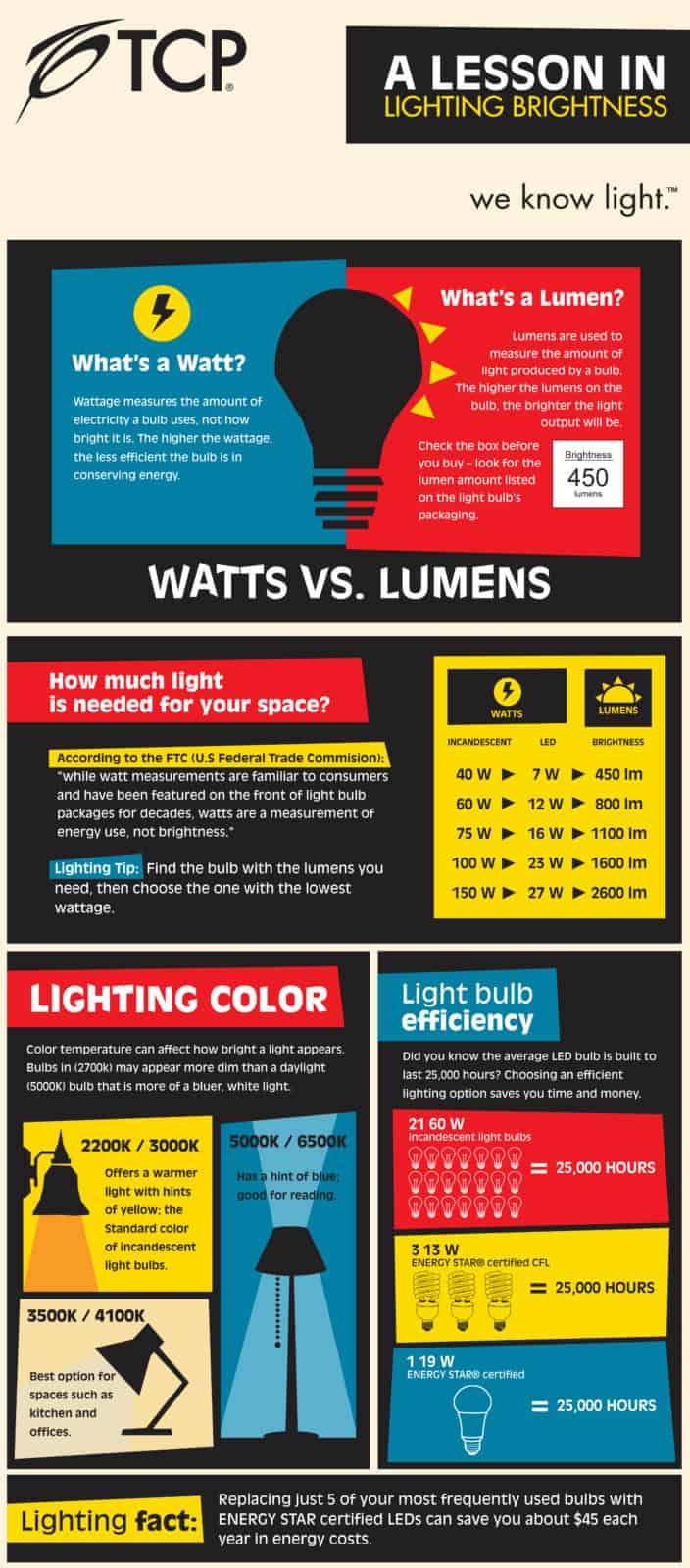
- Wattage is power use, not brightness. Modern LEDs use fewer watts for the same lumens.
If you wonder how do you measure the brightness of a light bulb, start with lumens on the box. Use lux to test light on your table. Candela helps when beam shape matters, like in track lights.
How to read the box like an expert
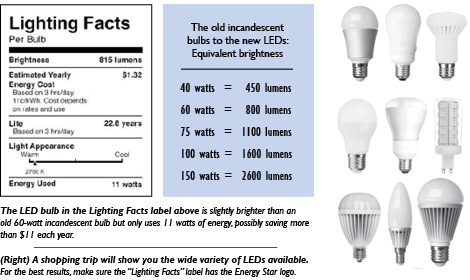
Stores use the Lighting Facts label. It tells you what you need.
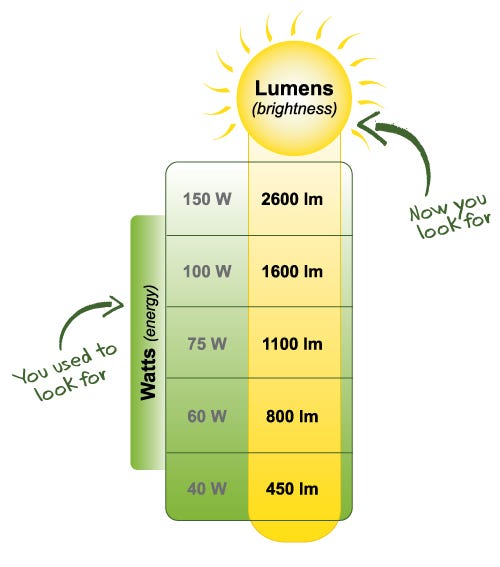
- Brightness (lumens) shows output. More lumens means more light.
- Estimated yearly cost shows energy use.
- Life tells expected hours.
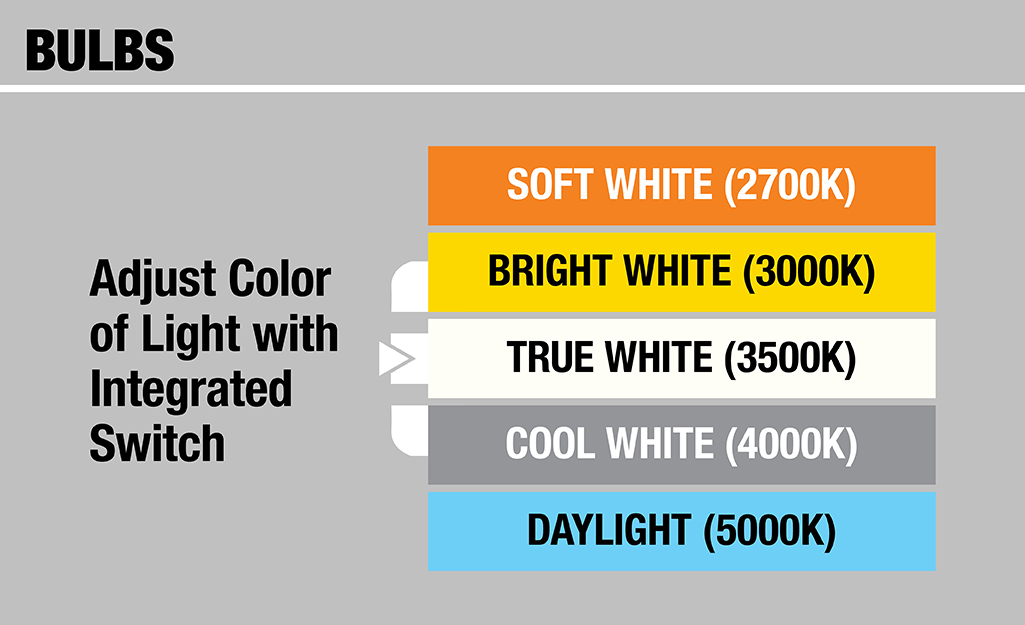
- Light appearance shows color temperature in Kelvin. 2700K is warm. 4000K is neutral. 5000K is cool.
- Energy used lists watts. Compare lumens per watt for efficiency.
- Color Rendering Index (CRI) shows color quality. Aim for 90+ for kitchens, baths, and studios.
- Beam angle (often on spots) shows spread. Narrow beams look brighter in the center.
When someone asks how do you measure the brightness of a light bulb, your first check is lumens on this label. It is the fastest way to compare bulbs one-to-one.

At-home ways to test brightness
You can test at home with simple tools. This is how I start new product tests.
- Use a handheld lux meter. They are cheap and fast.
- Try a phone lux app for rough checks only. Phones vary a lot.
- Use a tape measure, a dark room, and a white card or wall.
Here is a quick method. Place the bulb in a lamp. Measure lux on a wall at 1 meter. Record a few points to average. To estimate lumens for a bare, even bulb, you can use this rough math: lumens ≈ 4π × lux × distance². This works best for round bulbs in open air. It is less accurate for shaded or directional bulbs.
Many people ask how do you measure the brightness of a light bulb without lab gear. The lux meter method gives a good comparison across bulbs in the same setup. Keep the distance and angle the same each time.
Professional methods used in labs
Pros use standard tests for accuracy.
- Integrating sphere for total lumens and efficacy. It captures all the light. This follows IES LM-79 for LEDs.
- Goniophotometer for intensity vs. angle and beam shape. It creates IES files for lighting design.
- Spectroradiometer for color metrics like CCT, Duv, and CRI/TM-30. It checks color quality and shift.
- Long-term tests like LM-80 and TM-21 predict lumen maintenance over time.
If you ask how do you measure the brightness of a light bulb to a lab tech, they will point to these standards. They allow accurate, repeatable results you can trust.

Step-by-step: how do you measure the brightness of a light bulb at home
Follow this simple process for solid, repeatable results.
- Set your space. Use a dark room if you can. Turn off other lights.
- Mount the bulb. Keep it open and upright. Give it 10 minutes to warm up.
- Measure distance. Place your meter or phone 1 meter from the bulb or wall.
- Record lux. Take three to five readings and average them.
- Compare bulbs. Higher lux at the same setup means more useful light on that spot.
- Estimate lumens if needed. Use lumens ≈ 4π × lux × distance² for a rough guess with bare bulbs.
- Note color and beam. A narrow beam may show higher lux but light a smaller area.
This is the most practical answer to how do you measure the brightness of a light bulb without a lab. Keep your setup the same each time for fair tests.
Factors that change how bright a bulb looks
Two bulbs with the same lumens can look very different.
- Color temperature. Cool white can feel brighter. Warm white feels softer.
- CRI and TM-30. High CRI makes colors pop and rooms feel vivid.
- Beam angle. Narrow beams punch more light into a spot. Wide beams spread it out.
- Distance and height. Light fades with distance fast.
- Room finishes. White walls bounce light. Dark walls swallow it.
- Dimmers and drivers. Some bulbs drop lumens at low dim levels or flicker.
So, when you ask how do you measure the brightness of a light bulb, keep context in mind. Your room and task matter as much as the lumen number.
Common mistakes and how to avoid them
I see these errors all the time.
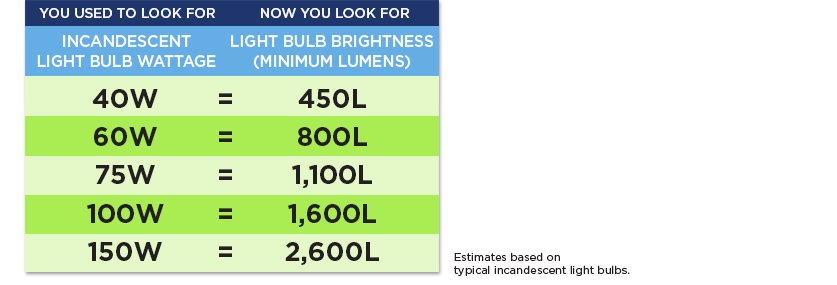
- Using watts to judge brightness. Always check lumens instead.
- Testing with mixed distances. Keep your meter at the same spot.
- Ignoring warm-up time. LEDs and CFLs can shift output as they warm.
- Measuring near mirrors or glass. Reflections distort lux readings.
- Using phone apps for precise work. They are fine for rough checks only.
- Forgetting beam angle. A narrow beam can “win” on lux but light less area.
If your goal is clear—how do you measure the brightness of a light bulb—control the setup and note the beam.
Energy efficiency: lumens per watt made simple
Efficiency tells you how smart your light is.
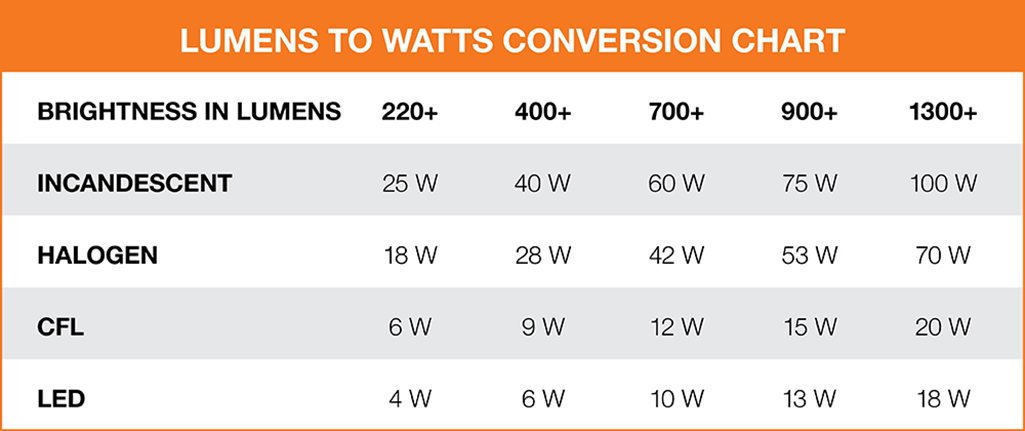
- Incandescent: about 10–15 lumens per watt.
- CFL: about 45–70 lumens per watt.
- LED: about 80–120+ lumens per watt. Top pro lamps can go even higher.
Examples:
- Replace a 60W incandescent (about 800 lumens) with a 9–10W LED.
- Need a bright workspace? Aim for 1,000–1,600 lumens per lamp.
When friends ask how do you measure the brightness of a light bulb and pick the best one, I say: compare lumens, then check lumens per watt to save on energy.
Real-world examples and pro tips
In a kitchen test, a client thought a 5000K bulb was “brighter” than a 2700K bulb. Both were 800 lumens. The cool tone felt crisp, but task lux was the same. We switched to 4000K high CRI. The counters looked bright and natural.
In my studio, a phone app said a bulb was 1,200 lux at 1 meter. A calibrated meter showed 900 lux. That is a big gap. I now use phone apps only for quick checks, not final calls.
Here is my quick rule when clients ask how do you measure the brightness of a light bulb:
- Read lumens first.
- Use a lux meter to test your space.
- Match beam angle to the task.
Frequently Asked Questions of how do you measure the brightness of a light bulb
What is the best unit to judge bulb brightness?
Lumens are best for total light output. Lux is best for brightness on a surface.
Can I use watts to compare LED brightness?
No. Watts measure power use, not light. Compare lumens for brightness.
Do phone lux apps work?
They are okay for rough checks. For better accuracy, use a handheld lux meter.
How many lumens do I need for a room?
Living rooms often need 10–20 lumens per square foot. Kitchens and offices need 30–50 lumens per square foot.
Why does a cool white bulb look brighter?
Cool light has more blue and feels crisp. It can seem brighter even at the same lumens.
How do I estimate lumens with a lux meter?
Measure lux at a known distance and use a rough formula. For a bare bulb, try lumens ≈ 4π × lux × distance².
Conclusion
Now you know the simple path: check lumens on the box, use a lux meter for your space, and note color and beam. With a steady setup, you can test and compare with confidence. Your answer to how do you measure the brightness of a light bulb is now clear, practical, and repeatable.
Try the steps on one lamp in your home this week. Pick a task, measure lux, and tune the bulb or beam. Want more tips like this? Subscribe, share your results, or drop a question in the comments.

Table of Contents