The mirror should be 2 to 6 inches narrower than the vanity, centered.
Wondering how big should mirror be over vanity? I design bathrooms for clients every week, and this choice can make or break the space. In this guide, I’ll show you how to pick the right size with simple rules, clear examples, and a few field-tested tricks. You’ll learn how big should mirror be over vanity for any layout, style, or budget—without guesswork.

The golden rule: width and proportion
If you ask how big should mirror be over vanity, start with width. The mirror should be a bit smaller than the vanity so it looks balanced and doesn’t crowd the wall or lights.
Here is the simple rule I use on installs:
- Make the mirror 2 to 6 inches narrower than the vanity width.
- Aim for about 70% to 90% of the vanity’s width for a clean look.
- Keep it centered over the sink or the whole vanity, not the faucet holes.
Why this works: It frames your face well, keeps edges off the wall, and gives room for trim or sconces. If you want to be precise, mock it up with painter’s tape. It is the fastest way to see how big should mirror be over vanity for your exact wall.
Height, placement, and eye level
Now, how big should mirror be over vanity in height? Height is about usability first, then style. Most people need a mirror that captures from at least nose level to a bit above the head.
Use these easy targets:
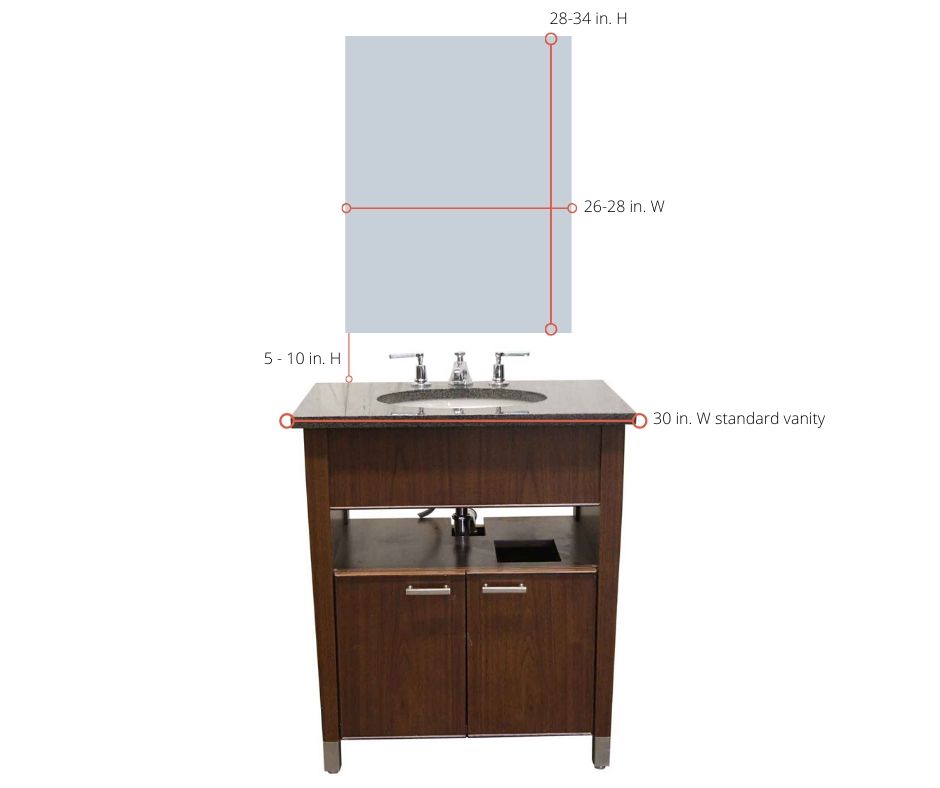
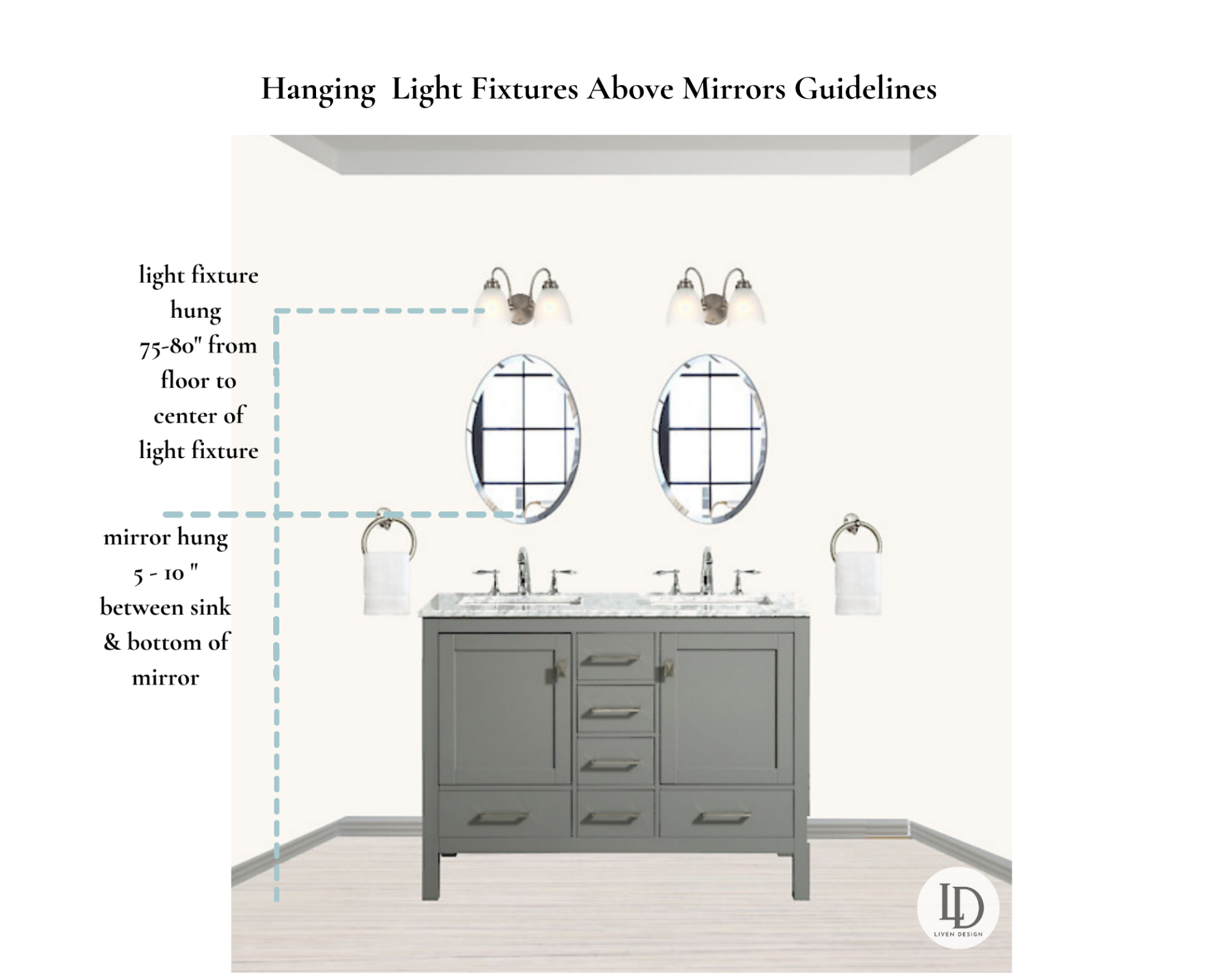
- Bottom of mirror: 2 to 6 inches above the backsplash or counter.
- Top of mirror: often between 72 and 80 inches from the floor, depending on ceiling height.
- Eye level: the center of the mirror should sit near average eye height, about 60 to 65 inches from the floor.
If you have tall users, raise the top a little. For kids or a guest bath, keep the bottom lower. For ADA or accessible setups, follow local code for counter height and mounting height. Test with tape and a step back. It will tell you how big should mirror be over vanity in your real space.

Single vs. double vanity: one mirror or two?
A common question is how big should mirror be over vanity when you have one sink versus two. The answer depends on function, lighting, and style.
For single vanities:
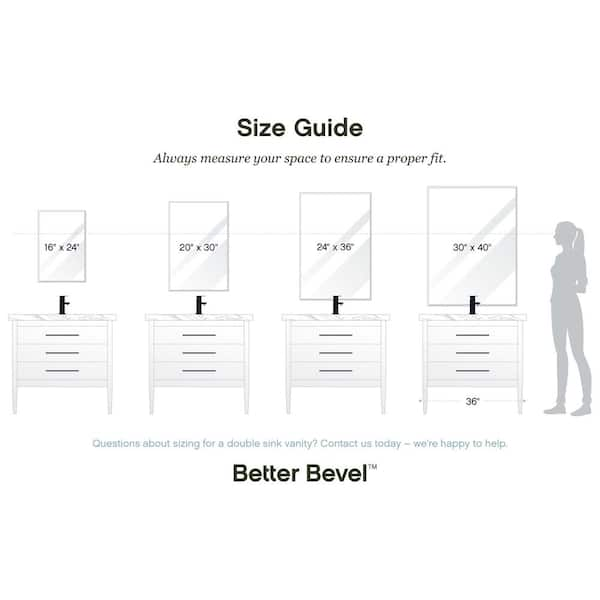
- 24-inch vanity: mirror around 20 to 22 inches wide.
- 30-inch vanity: mirror around 24 to 28 inches wide.
- 36-inch vanity: mirror around 28 to 34 inches wide.
- 48-inch vanity: mirror around 36 to 44 inches wide.
For double vanities:
- One large mirror: leave 1 to 3 inches of wall on each side. For a 60-inch vanity, try a 54 to 58-inch mirror.
- Two mirrors: center each over a sink. For a 60-inch vanity, use two mirrors around 20 to 24 inches each. For a 72-inch vanity, two mirrors around 24 to 28 inches each.
Tip from the field: If you plan side sconces, check the width early. You may need narrower mirrors so the sconces can sit 2 to 4 inches off the mirror edge. This also guides how big should mirror be over vanity in a shared bath.

Frame, shape, and style choices
Frame thickness changes how big should mirror be over vanity. A wide wood frame eats into the reflective area, so you might size up. A slim metal frame or a frameless mirror can run smaller because the glass looks bigger.
Keep these notes in mind:
- Framed mirror: add the frame width to your math so the glass doesn’t end up tiny.
- Frameless mirror: cleaner lines, easy to stretch wider within the 2 to 6-inch rule.
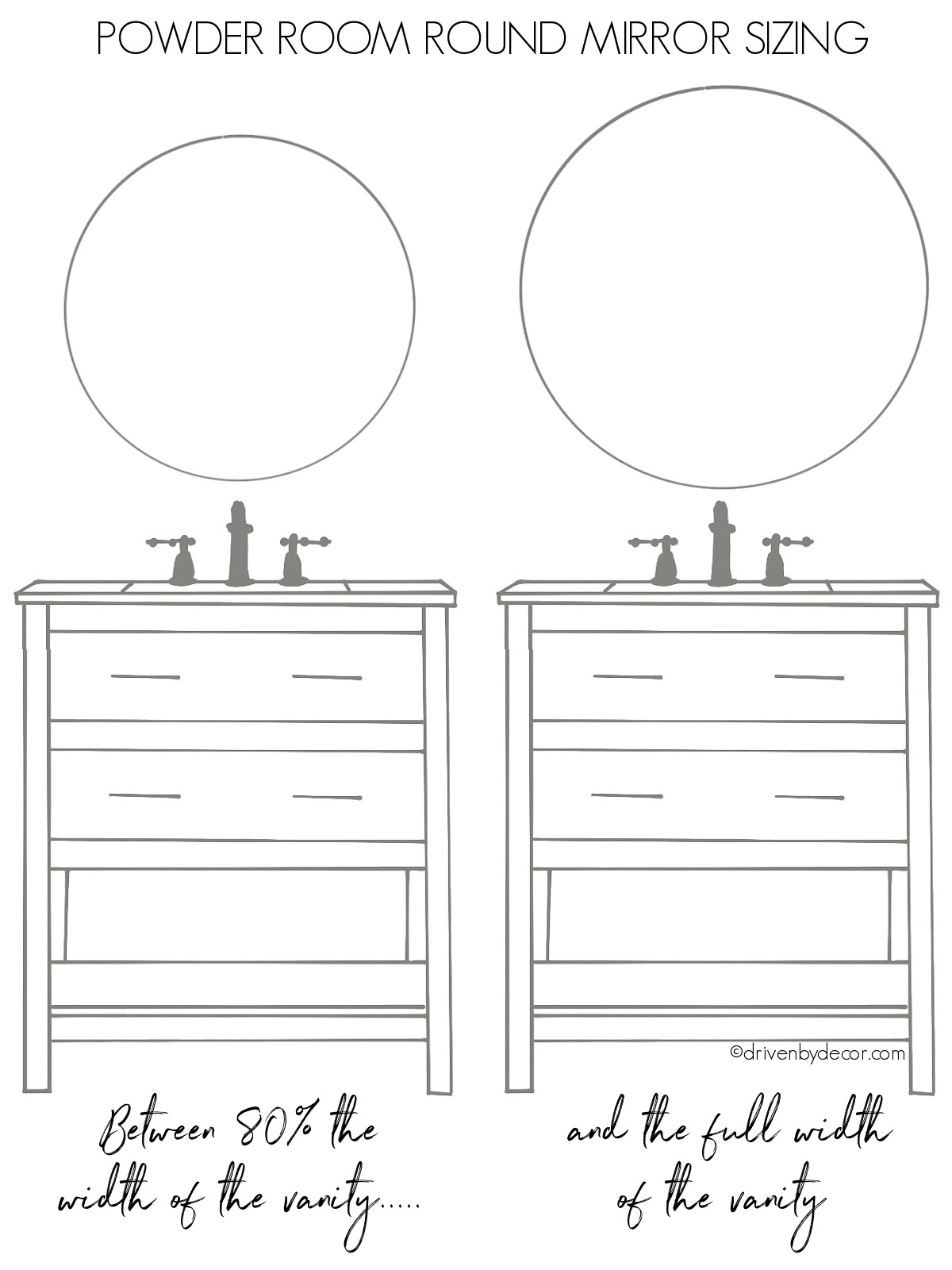
- Round and oval mirrors: use the diameter as “width.” For a 36-inch vanity, a 24 to 30-inch round mirror often looks right.
- Arched mirrors: watch the height. The arch can push the top near your lights.
When clients ask how big should mirror be over vanity with a bold frame, I tell them to measure glass and frame separately. It keeps the proportions honest.

Lighting changes the size you pick
Lighting is the secret lever in how big should mirror be over vanity. The location and type of lights affect mirror width and height.
What to check:
- Sconces beside the mirror need room. Leave at least 2 to 4 inches between mirror edge and sconce backplate.
- Sconces work best when their center is about 60 to 66 inches from the floor.
- A light above the mirror needs clearance. Keep 2 to 3 inches between the top of the mirror and the light base.
- If you use a backlit mirror, you can go a bit larger since there are no side lights to crowd.
Good light equals better grooming and less glare. Plan lights before finalizing how big should mirror be over vanity so nothing collides.
Step-by-step: measure, mock up, and mount
If you want certainty, follow this quick plan. It locks in how big should mirror be over vanity without surprises.
- Measure vanity width at the top. Note backsplash height.
- Decide one mirror or two. Check sink locations and light plan.
- Pick a target width using the 2 to 6-inch narrower rule.
- Choose height based on eye level and light clearance.
- Tape the mirror outline on the wall. Stand back and check from the door and the tub.
- Confirm stud locations, power lines, and mounting hardware needs.
- Order with a slight size tolerance. Many mirrors vary by 1/8 inch.
- Install level and centered. Use safety backing and proper anchors.
I always tape before I buy. It takes five minutes and answers how big should mirror be over vanity in a very visual, low-risk way.

Common vanity sizes and mirror ideas
These pairings are starting points, not hard rules. They help you see how big should mirror be over vanity for typical homes.
Single sink:
- 24-inch vanity: 20 to 22-inch mirror, 30 to 36 inches tall.
- 30-inch vanity: 24 to 28-inch mirror, 32 to 38 inches tall.
- 36-inch vanity: 28 to 34-inch mirror, 34 to 40 inches tall.
- 48-inch vanity: 36 to 44-inch mirror, 36 to 42 inches tall.
Double sink:
- 60-inch vanity: one 54 to 58-inch mirror, or two 20 to 24-inch mirrors.
- 72-inch vanity: one 66 to 70-inch mirror, or two 24 to 28-inch mirrors.
Ceiling low? Go wider, not taller. Ceiling high? Add height, but keep width in the sweet spot. That balance is the heart of how big should mirror be over vanity.
When to break the rules
Design is not a cage. Sometimes, you go bigger or smaller for a reason. Here is when I break my own rules on how big should mirror be over vanity.
- Very small powder room: an oversized mirror makes the room feel larger.
- Narrow vanity with tall ceiling: a taller mirror keeps things proportional.
- Historic trim or tile: size to avoid cutting into molding or feature tile.
- Full-wall mirror: frame the sides with sconces on the glass or the wall if space allows.
If you break the rule, do it on purpose. Check sight lines from the hall. Ask if it still answers how big should mirror be over vanity for the people who use it.
Mistakes to avoid
Little misses can make a bathroom feel off. These are the big ones I see on service calls.
- Mirror wider than the vanity, unless it is a full-wall mirror.
- Mirror too high, so kids or shorter guests cannot see their face.
- Lights too close to the mirror edge, leaving no space for cleaning or trim.
- Ignoring frame thickness, which shrinks the usable glass.
- Skipping the tape test and then hitting the faucet with the mirror bottom.
Avoid these and you will nail how big should mirror be over vanity with ease.
Budget, materials, and shopping checklist
Mirror costs vary by size, frame, and glass quality. Standard sizes are budget friendly. Custom sizes solve odd walls or off-center sinks.
Before you buy, confirm:
- Final width and height after tape test.
- Frame thickness versus glass area.
- Mount type and hardware strength.
- Lighting plan, including sconce spacing.
- Anti-fog or backlit features if you want them.
A clear checklist saves returns and helps finalize how big should mirror be over vanity for your home.
Frequently Asked Questions of how big should mirror be over vanity
What is the ideal width for a mirror over a 36-inch vanity?
Aim for a mirror 28 to 34 inches wide. Keep it centered and leave a small gap on each side.
How high should I hang the mirror above the vanity?
Leave 2 to 6 inches above the backsplash. Keep the mirror center close to 60 to 65 inches from the floor.
Can the mirror be the same width as the vanity?
It can, but it is safer to be slightly narrower. A small margin looks cleaner and avoids wall or trim clashes.
Should I use one big mirror or two small ones for a double vanity?
If you share the space, two mirrors help with daily use. One large mirror feels modern and can reflect more light.
What if I have wall sconces beside the mirror?
Plan space for them first. Leave 2 to 4 inches between the mirror edge and each sconce for comfort and cleaning.
Do round mirrors follow the same sizing rules?
Yes, but use diameter as width. For a 36-inch vanity, a 24 to 30-inch round mirror is a safe range.
Conclusion
Picking the right size does not need to be hard. Use the 2 to 6-inch rule, test with tape, and match height to eye level and lights. With these steps, you can answer how big should mirror be over vanity for any room and get a polished, balanced look. Try the tape test today, take quick photos, and choose your mirror with confidence. If this helped, share it with a friend, subscribe for more practical design guides, or leave a question—I’m happy to help.

Table of Contents