Stack clean, dry glass containers by size, lids locked, heaviest on the bottom.
If you’ve ever opened a cabinet and watched a glass tower wobble, this guide is for you. I’ve spent years testing kitchen systems in small apartments and busy family homes. Below, I share how to stack glass storage containers efficiently so you save space, keep food safe, and stop the domino effect for good.
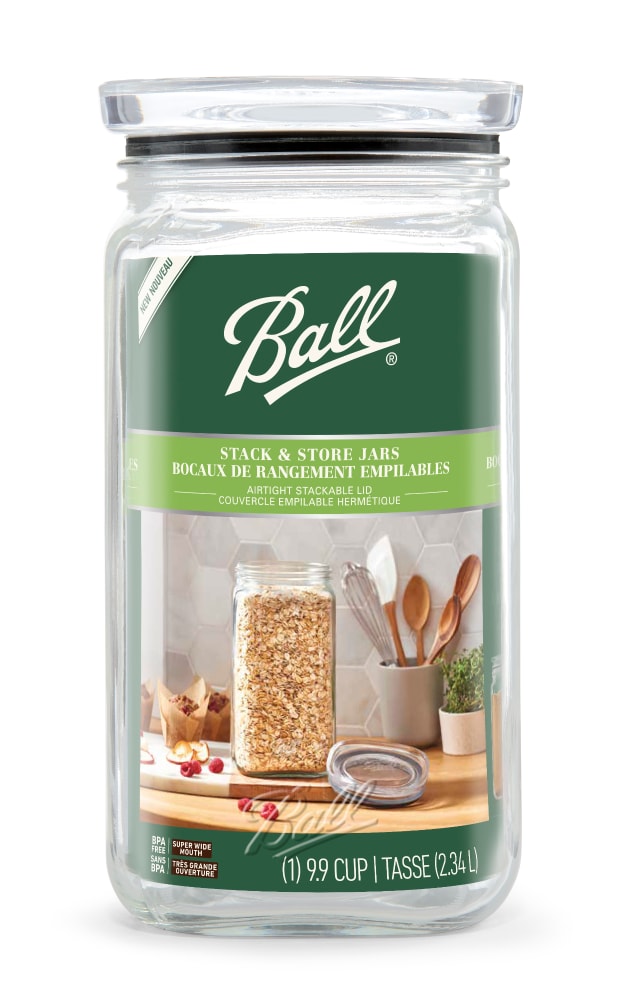
Why efficient stacking matters
Efficient stacking keeps your kitchen calm and your food safe. It saves shelf space, protects lids and gaskets, and cuts time during meal prep. Most chips and cracks happen from uneven stacks and rushed grabs; a simple system prevents both. Knowing how to stack glass storage containers efficiently also protects your budget by extending the life of your set.
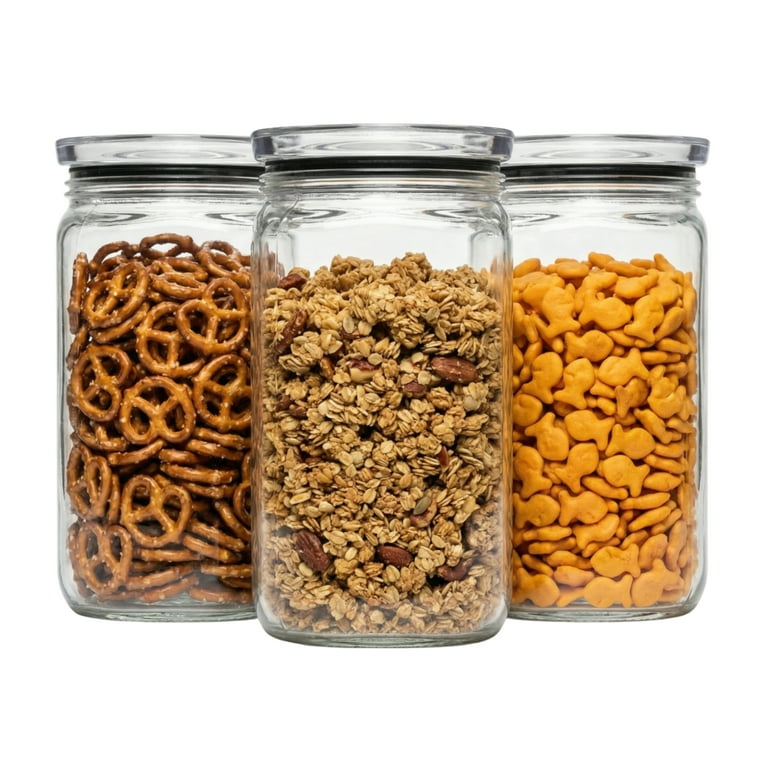
Choose the right containers for stacking
Your gear makes or breaks the stack. Go for sets with uniform footprints and tight, click-lock lids. Square and rectangular containers stack denser than round ones, especially in shallow cabinets.
Look for details that boost stability. Flat or slightly recessed lids act like shelves. Silicone gaskets add grip and seal in moisture. Choose two to three standard sizes so you can build stable columns without odd gaps.
Match materials for safety and fit. Use tempered, borosilicate, or oven-safe glass for heat swings. Avoid mixing lids from different brands; a loose fit ruins the stack. When you plan how to stack glass storage containers efficiently, start by matching shapes, sizes, and lids.

Prep before you stack
Clean, dry, and cool comes first. Moisture between lids makes stacks slide, and warm glass expands and shifts as it cools. Let hot dishes reach room temp and wipe rims dry.
Make containers uniform. Fill to level heights when possible. Wipe crumbs and oil off the bottoms so they grip the lid below. Label lids on the front edge so you can spot the right box without digging. These simple steps set up how to stack glass storage containers efficiently from the start.
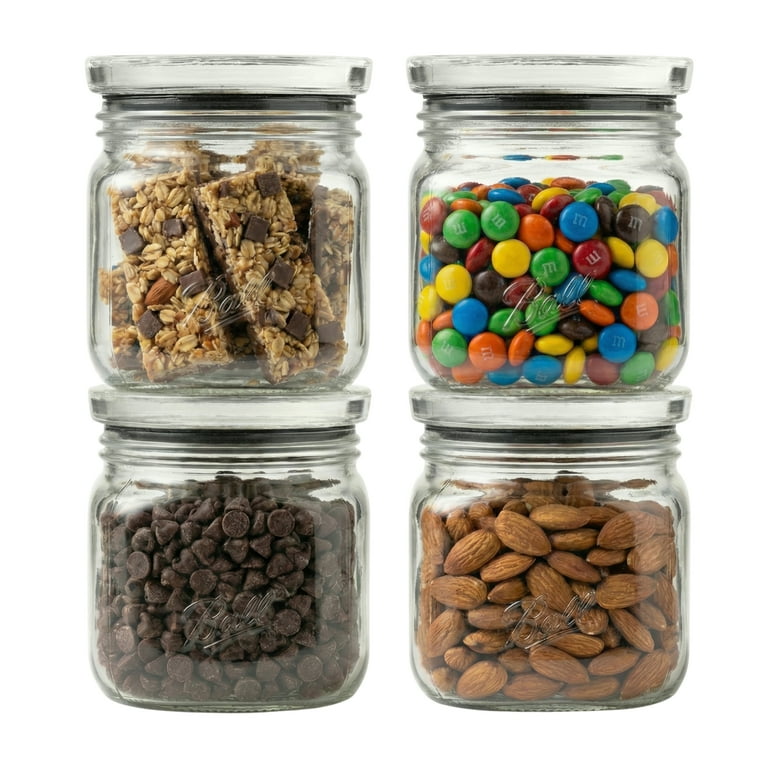
How to stack glass storage containers efficiently: a step-by-step method
Here is the simple routine I use in my own kitchen. It works in a tiny city cabinet and a large pantry.
- Group by footprint, then by height. Build stacks from matching bases first.
- Lock the lid before stacking. A half-sealed lid will pop under weight.
- Heaviest and largest on the bottom. Place lighter, smaller pieces higher up.
- Align edges. Keep all sides flush so weight travels straight down.
- Cap stacks at safe height. In a cabinet, 3 to 4 high. In the fridge, 2 to 3 high.
- Use shelf liners or silicone mats. They cut slip on smooth shelves.
- Leave grab room. Keep two fingers of space above the top lid for safe lifts.
If you forget a rule, remember this: even weight, matched sizes, tight lids. Follow it, and you’ll learn how to stack glass storage containers efficiently without chips, slides, or spills. I teach family members this same method, and it sticks because it is quick and works every day.
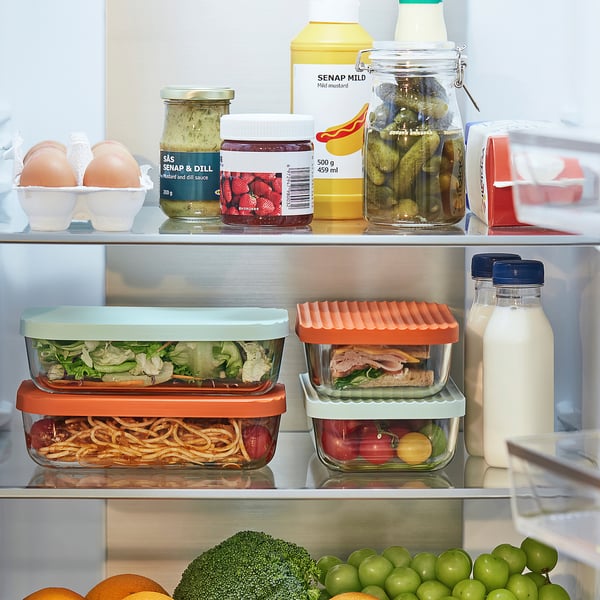
Weight, spacing, and stability
Think of a stack like a mini building. Weight should travel through flat surfaces, not through a curved edge or a warped lid. If a lid bows, remove a layer or switch to a sturdier base.
Give air some room. Leave a slim gap at the back and sides so cold air can flow in the fridge and freezer. This helps food cool fast and reduces frost. To keep peace of mind about how to stack glass storage containers efficiently, check shelf ratings, and avoid overloading old wire racks.
Layouts for fridge, freezer, pantry, and cabinets
Use zones. Put meal prep at eye level, leftovers where you see them first, and bulk dry goods down low.
- Fridge: Two to three high. Keep raw proteins in leak-proof containers on the bottom shelf.
- Freezer: Two high unless lids are very sturdy. Leave headspace for expansion.
- Pantry: Three to four high. Use risers so you can see labels in the back.
- Cabinets: Heaviest low, lightest high. Door shelves are for spices, not glass.
When you plan how to stack glass storage containers efficiently, tailor your height and zones to each space. That small change helps food rotate before it spoils.
:strip_icc()/glass-plastic-storage-containers-stacked-cupboard-3d6e9010-f5cac9c767584620b88647bb7ba1289c.jpg)
Use cases and real-life examples
For weekly meal prep, I use two sizes: 3-cup mains and 1-cup sides. They stack clean, side by side, two high in my fridge drawer. The same set nests when empty, so cabinets stay tidy.
Leftovers work best in low, wide shapes. They spread heat evenly when you reheat and stack well with a broad base. Bulk goods like rice or beans fit tall rectangles that stack three high in a pantry. In each case, consider how to stack glass storage containers efficiently so every shelf earns its keep.
Safety rules and handling
Avoid thermal shock. Never stack a hot container on a cold lid. Let it cool on a trivet or rack first. Do not carry high stacks; move one or two pieces at a time with a steady grip on the bottoms.
Check for chips along rims. Small chips can spread under load. If a lid gasket is loose, fix or replace it before stacking. Safety first is the core of how to stack glass storage containers efficiently, especially around kids and in tight kitchens.
Maintenance and rotation
Make a fast weekly check. Tighten gaskets, swap warped lids, and remove any cracked pieces from rotation. Clean lids well; oil left on silicone reduces friction and causes sliding.
Use first in, first out. Place newer items in the back so older food moves forward. Label with date and contents. This keeps stacks stable and reduces waste while you practice how to stack glass storage containers efficiently day after day.
Troubleshooting and mistakes to avoid
- Sliding stacks: Dry lids and bottoms, add a thin silicone mat, and reduce height.
- Popping lids: Do not overfill. Cool food first, then lock the lid.
- Wobbly columns: Rebuild by footprint. If one piece is off-size, start a new stack.
- Hard-to-reach items: Leave finger space above stacks and store heaviest lower.
- Broken seal lines: Replace worn gaskets; mismatched brands often fail under weight.
Spot the pattern, fix the cause, and rebuild. That is how to stack glass storage containers efficiently even when your setup changes.
Quick answers you might be searching for
Is it safe to stack hot glass containers?
No. Let them cool to room temp first. Sudden temperature shifts strain glass and can warp lids, which ruins stacks.
How many containers can I stack?
In the fridge, two to three high. In cabinets or pantry, three to four high, based on lid strength and shelf stability.
Can I stack different brands together?
It is risky. Lids and bases vary by millimeter. Mismatch causes tilt and slips; use matching footprints when possible.
Frequently Asked Questions of How to stack glass storage containers efficiently
What sizes are best for stable stacks?
Use two or three standard sizes with matching footprints. Square and rectangular shapes make the tightest stacks with less wasted space.
Do I need liners or shelf mats?
They help. Thin silicone mats add grip on glass or metal shelves and reduce sliding when doors close.
How do I prevent suction between lids?
Dry everything well and avoid stacking while warm. Moisture and heat create mini vacuums that make lids stick and shift.
Can I stack containers in the microwave?
No. Heat one at a time with the lid vented or removed. Stacking traps steam and can push lids off.
What is the best way to label stacked containers?
Label the lid’s front edge and one side. Use freezer-safe tape or washable markers so you can read labels without unstacking.
How do I stack in a small fridge?
Build two-high columns by footprint and keep like foods together. Use shallow containers for top shelves and drawers to fit the door swing.
Will stacking shorten the life of my lids?
Not if you lock them well and avoid overload. Check gaskets often and replace any that feel loose or stretched.
Conclusion
A calm kitchen starts with simple, repeatable moves. Match footprints, cool and dry first, lock lids, and stack by weight and height limits. With a few tweaks, you will save space, protect your gear, and grab what you need without a wobble.
Start today. Pick two standard sizes, rebuild your stacks, and label the fronts. If this helped, subscribe for more smart kitchen systems and share your own tips in the comments.

Table of Contents