Use scraping, heat, and safe solvents, then neutralize and clean thoroughly.
If you need a clear plan for how to remove carpet glue, you’re in the right place. I’ve removed more glue than I care to admit, across concrete slabs and delicate wood. In this guide, I’ll walk you through how to remove carpet glue the right way, with simple steps, expert tips, and safe methods you can trust. Read on for proven strategies, real-world lessons, and a smooth path to fresh floors.
Understanding Carpet Glue Types and Why It Sticks
Knowing what you are up against makes everything easier. Most carpet glue is latex-based or pressure-sensitive. Older black mastics, often used under vinyl tiles, can be asphalt-based and very sticky.
Latex and pressure-sensitive glues soften with water, heat, or alcohol. Asphalt cutback glues respond better to soy-based removers or mineral spirits. If your home is older than 1980, pause. Some black mastics and old tiles may contain asbestos. Do not grind or sand. Get a test first, and use licensed abatement if needed.
Understanding glue types helps you plan how to remove carpet glue without damage. It also lowers the risk of haze, stains, or odors after the job.
Safety First: Ventilation, PPE, and Testing
Before you start learning how to remove carpet glue, set up safe work habits. Open windows and use fans to vent fumes. Keep pets and kids away from the area.
Wear gloves, eye protection, and a proper respirator if using strong solvents. Read the product label and the safety sheet. Avoid sparks and open flames near flammable products. If you suspect asbestos, stop and call a pro. It is not worth the risk.

Tools and Materials You Will Need
These tools make how to remove carpet glue faster and cleaner. You do not need every item, but the right mix helps.
- Floor scraper or razor scraper for bulk removal
- Oscillating tool with a scraper blade for corners
- Heat gun or wallpaper steamer to soften glue
- Buckets, warm water, and mild detergent for rinsing
- Citrus-based or water-based adhesive remover for latex glues
- Mineral spirits or soy-based mastic remover for cutback adhesives
- Denatured alcohol for pressure-sensitive residue
- Microfiber cloths, rags, and a shop vacuum for cleanup
- Knee pads and a fan for comfort and airflow
- Plastic sheeting and painter’s tape to protect walls and vents
A simple rule from my jobs: start mild, then step up only if needed. You save time, money, and your nose.

How to Remove Carpet Glue from Concrete
Here is how to remove carpet glue from concrete with a balanced, low-mess plan.
Step 1: Dry scrape the big stuff
- Hold a floor scraper at a low angle.
- Push firmly to lift thick glue ridges.
- Vacuum debris as you go to see progress.
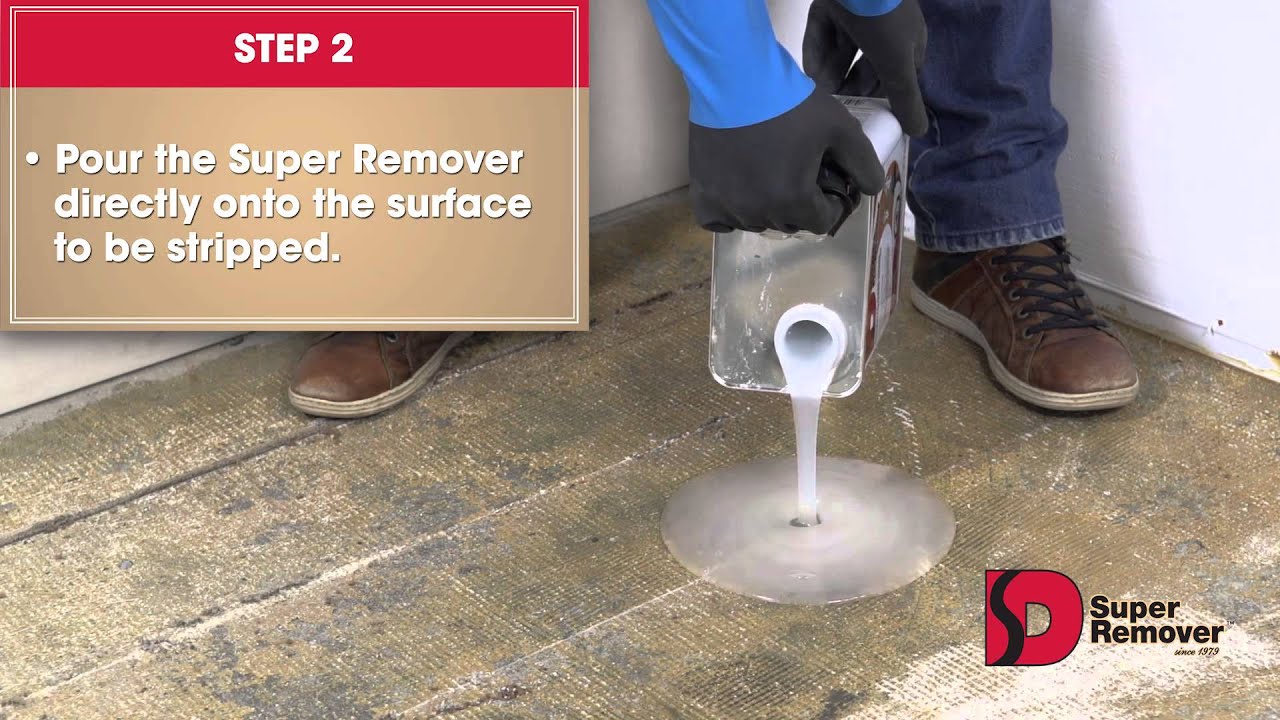
Step 2: Soften the residue
- For latex glue, dampen with warm water and a little dish soap.
- For pressure-sensitive glue, use denatured alcohol or a citrus remover.
- For old black mastic, choose a soy-based remover and follow dwell time.
Step 3: Scrape again
- After 10 to 30 minutes, scrape the softened glue.
- Reapply remover if the surface still feels tacky.
Step 4: Neutralize and rinse
- Wipe with warm water and detergent to remove remover residue.
- For oily removers, follow with a light TSP substitute or baking soda rinse.
- Rinse again with clean water and let dry.
Step 5: Check for film and pH
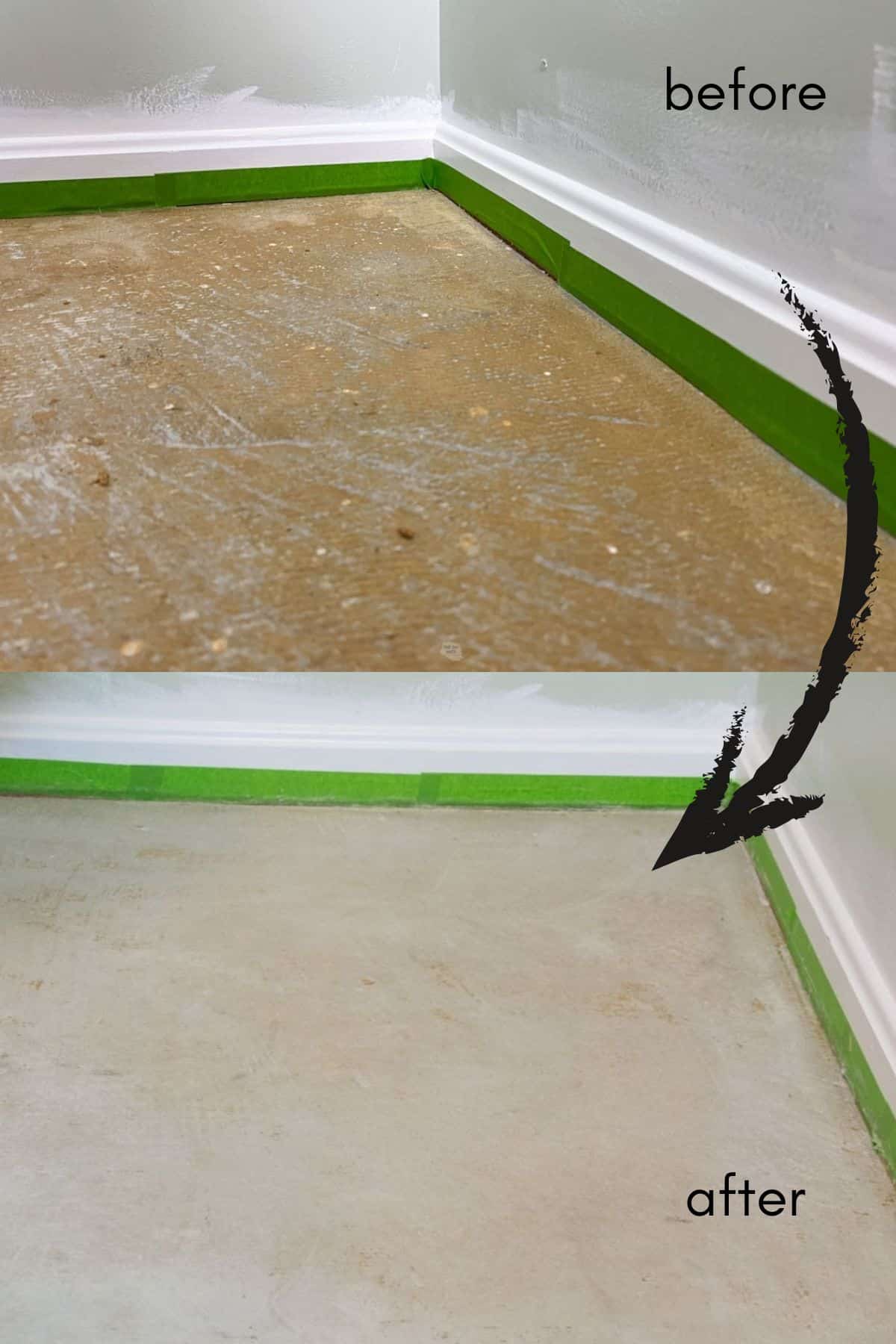
- Run your hand over the slab. It should feel clean, not greasy.
- If you plan new glue or paint, follow the product’s surface prep guide.
- Let the slab dry fully. Fans help.
If you came to learn how to remove carpet glue from concrete fast, focus on good dwell time, steady scraping, and a proper rinse. I have learned that rushing the rinse causes bonding issues later.
How to Remove Carpet Glue from Wood Subfloors
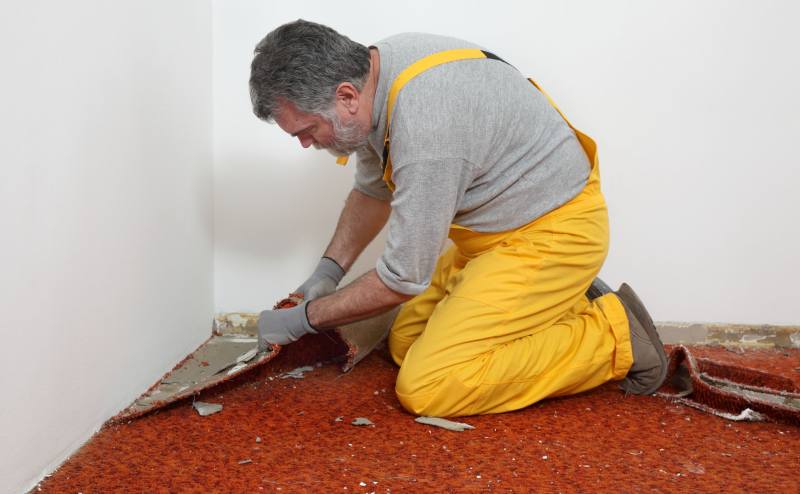
Here is how to remove carpet glue from wood without ruining the surface.
Step 1: Protect the wood
- Avoid soaking the wood. Use limited moisture.
- Work in small zones to control wet time.
Step 2: Heat and scrape
- Use a heat gun or steamer to soften the glue.
- Lift softened glue with a razor scraper at a low angle.
Step 3: Use gentle solvents
- Try citrus gel or mineral spirits in small amounts.
- Wipe with clean rags as glue releases.
Step 4: Clean and dry
- Wipe with a damp cloth and mild soap.
- Dry the area fast with fans to prevent warping.
Step 5: Light sanding if needed
- If the wood still feels gummy, a light sand can help.
- Use a fine grit and go slow to avoid gouges.
- Never sand suspected asbestos adhesives.
If you need to know how to remove carpet glue from wood with less mess, keep heat low, go slow, and avoid deep soak. That balance protects the subfloor and helps new floors bond well.

Heat and Steam Methods That Actually Work
Heat is a great helper when you want to know how to remove carpet glue without harsh chemicals. It softens latex and pressure-sensitive glues. A steamer adds moisture, which boosts softening on latex.
Heat gun tips
- Keep the gun moving to avoid scorching.
- Work in small sections for control.
- Scrape while the glue is still warm.
Steamer tips
- Use short bursts to prevent too much water.
- Lift with a scraper, then wipe with a cloth.
- Dry the area before the next pass.
I use steam on concrete and heat on wood. It is a simple split that saves time and prevents damage.

Solvents and Removers: What to Use and When
Picking the right remover is key to how to remove carpet glue with less effort and odor.
Water and soap
- Best for fresh latex glues.
- Safe and low cost.
Denatured alcohol
- Great for pressure-sensitive glues.
- Evaporates fast, so work in small areas.
Citrus-based removers
- Good balance of power and smell.
- Check label for dwell time and wipe clean.
Mineral spirits or soy-based removers
- Better for black cutback mastics.
- Longer dwell time but much less scraping.
Acetone and stronger solvents
- Only if labeled safe for your surface.
- Vent well and follow all safety steps.
Always test a small spot. Follow the label. Vent the room. I keep extra rags ready because clean wiping is half the job.

Troubleshooting Stubborn Glue, Stains, and Odors
Sometimes the glue fights back. Here is how to remove carpet glue when it gets tricky.
Still sticky after scraping
- Increase dwell time.
- Switch to a stronger compatible remover.
Shadow stains on concrete
- Try a second cleaning cycle with detergent.
- Use a light mechanical scrub with a nylon pad.
Oily film after removers
- Rinse with a TSP substitute or baking soda solution.
- Rinse again with clean water and dry.
Strong odors
- Add cross ventilation and take breaks.
- Use low-VOC products when possible.
Real talk: the biggest mistake I made early on was skipping the neutralizing rinse. It caused paint to fisheye later. Do not skip it.
Eco-Friendly and Indoor Air Quality Tips
If you prefer greener methods for how to remove carpet glue, start mild and keep airflow strong. Water, soap, steam, and citrus products can do a lot. Use microfiber cloths to trap residue and limit chemical use.
Pick low-VOC products and avoid aerosols if you can. Seal off HVAC vents while you work. Bag waste and used rags, and dispose of them per your local rules. Your nose and lungs will thank you later.
Time, Cost, and When to Hire a Pro
Plan for time and cost before you start. It saves stress and money.
Time estimates
- 100 square feet of light latex glue: 2 to 4 hours.
- 100 square feet of black mastic: 4 to 8 hours with dwell time.
Cost estimates
- Basic tools and mild cleaners: low budget.
- Specialty removers and PPE: moderate budget.
- Pro abatement for asbestos: higher budget but essential.
Hire a pro if you see signs of asbestos, heavy odors you cannot vent, or if the area is very large. A good pro will also advise on surface prep for new floors.
Prepping for New Flooring After Glue Removal
How to remove carpet glue is only step one. Good prep makes new floors last.
Check for residue
- The floor should feel clean, not tacky.
- Tape test: painter’s tape should stick and release clean.
Repair and level
- Patch cracks and fill low spots.
- Sand or grind only when safe and dust-controlled.
Moisture and pH
- For concrete, follow the new adhesive’s moisture and pH limits.
- Use the test method the product recommends.
If you skip steps in how to remove carpet glue and prep, you invite hollow spots, bubbles, or bond failure. Take a little extra time now to save a lot later.
Mistakes to Avoid
Avoid these common pitfalls to keep your project smooth.
- Skipping a test area for removers
- Using too much water on wood
- Sanding unknown black mastic
- Forgetting the neutralizing rinse
- Rushing dwell time and scraping
These small checks protect your floor and your health. They also speed up the job in the end.
Frequently Asked Questions of how to remove carpet glue
What is the fastest way to remove carpet glue from concrete?
Use a scraper first, then a suitable remover with proper dwell time. Scrape again and rinse clean to prevent residue.
Can I use a heat gun to remove carpet glue from wood?
Yes, low heat works well on wood with gentle scraping. Keep the gun moving to avoid scorch marks.
How do I know if my old glue has asbestos?
Black mastic under old tiles may contain asbestos. Do not sand it; get a lab test and hire licensed abatement if it is positive.
Will vinegar remove carpet glue?
Vinegar can soften some latex glues, but results vary. It is safer to use warm soapy water or a labeled adhesive remover.
How long should I let adhesive remover sit?
Most removers need 10 to 30 minutes, but follow the label. Longer dwell time often means less scraping and cleaner results.
Conclusion
You now have a clear plan for how to remove carpet glue on concrete and wood. Start mild, match the method to the glue, give removers time to work, and always rinse clean. Add safe habits and good ventilation, and you will get pro-grade results.
Ready to put this into action? Pick a small test area today, dial in your method, and then scale up with confidence. If you found this helpful, subscribe for more practical home guides, or drop a comment with your progress and questions.

Table of Contents