Choose a toilet with a high MaP score, wide trapway, and strong flush.
If you’re asking how do I choose a toilet that won’t clog, you’re in the right place. I’ve helped dozens of homeowners replace problem toilets, and I’ve tested many models in real homes. This guide gives simple answers backed by data and field experience. Keep reading, and you’ll know exactly how to choose a toilet that won’t clog, what specs matter, and which mistakes to avoid.
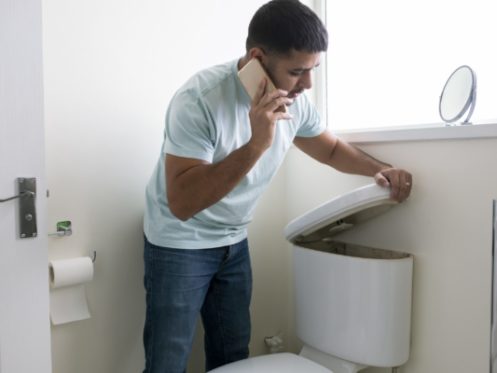
What Actually Causes Toilet Clogs
Clogs usually come down to a few simple issues. Knowing these will help you choose better.
- Weak flush energy means waste does not start fast enough to clear the bowl and trapway.
- A narrow or rough trapway catches paper, wipes, or solids.
- Poor bowl rinse leaves debris that builds up over time.
- Low water spot (the water in the bowl) allows sticking and streaks.
- Bad venting or installation slows drain flow even with a good toilet.
If you want a sure answer to how do I choose a toilet that won’t clog, start by targeting these causes with proven features and solid performance data.

The Key Specs That Prevent Clogs
When clients ask how do I choose a toilet that won’t clog, I point them to five specs that matter most.
- MaP score: Look for 800 grams or higher. That means it can move a heavy load in one flush. Many top models hit 1000 grams.
- Trapway size: Aim for 2-1/8 inch to 2-3/8 inch, fully glazed inside. Bigger and smoother is better.
- Flush valve: 3 inch or 4 inch valves deliver stronger water rush than old 2 inch valves.
- Siphon jet design: A powerful siphon jet accelerates waste fast and sets the siphon quickly.
- Water spot size: A larger water surface helps keep the bowl clean and reduces sticking.
I also check WaterSense 1.28 gpf or 1.0 gpf models that still earn high MaP scores. High efficiency does not mean weak flush when the engineering is right.

Flush Systems: Which Ones Resist Clogs Best?
People often ask how do I choose a toilet that won’t clog when there are many flush types. Here is a simple breakdown.
- Gravity flush: Quiet and reliable. A good gravity toilet with a strong siphon jet and 3 inch valve can be very clog-resistant.
- Pressure-assist: Uses compressed air in a tank to boost flush. Great at moving waste. Louder and a bit pricier. Good for heavy use homes.
- Dual flush: Saves water. One button for liquids, one for solids. Choose a model with high MaP on the full flush to avoid clogs.
- Rimless or cyclone rinse: Better bowl wash and fewer hidden rim holes. Helps keep passageways clean.
If you want a clear path on how do I choose a toilet that won’t clog, pick the flush system that fits your home. For most homes, a top-rated gravity model is enough. For busy households or older pipes, pressure-assist can be worth it.
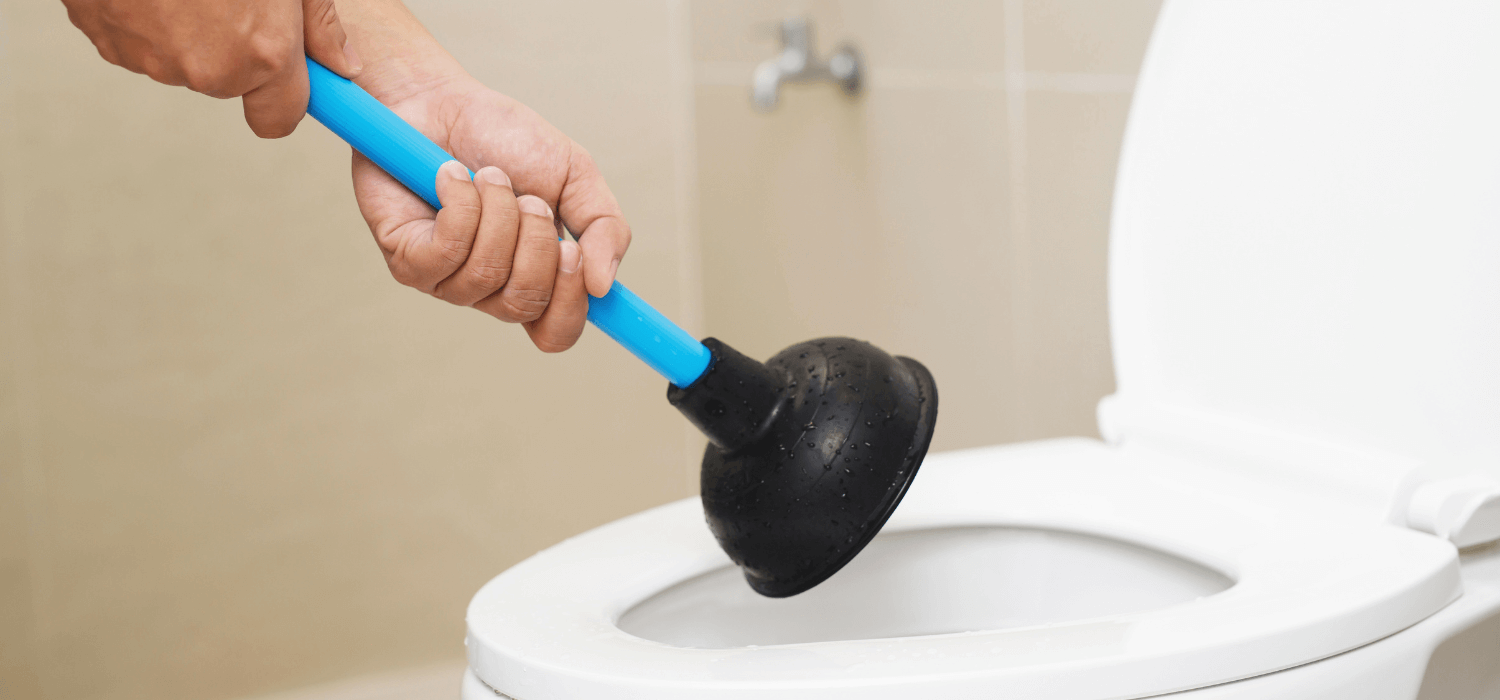
Bowl, Trapway, and Rim Design Details
The shape and glazing inside the toilet matter more than many people think.
- Fully glazed trapway: Reduces friction, so paper and solids slide through.
- Smooth bends: Gentle curves in the trapway resist snagging better than tight bends.
- Elongated bowl: Offers better aim and often better siphon action than round bowls.
- Rim design: Strong, even rim wash reduces buildup and odors.
In my installs, fully glazed 2-3/8 inch trapways with a strong siphon jet almost always solve repeat clogs. If you wonder how do I choose a toilet that won’t clog, start by checking the trapway size and glazing.

Installation Factors That Make or Break Performance
A great toilet can still clog if the install is wrong. This is a hidden reason many people keep asking how do I choose a toilet that won’t clog even after buying a good model.
- Venting: A blocked or undersized vent slows flow. Have a pro check roof vents if clogs persist.
- Flange height: Should be level with the finished floor. Too low can cause poor seal and turbulence.
- Drain slope: 1/4 inch per foot is standard. Too steep or too flat causes issues.
- Wax ring and bolts: Poor seals or rocking bowls can shift flow and cause leaks and clogs.
I’ve cleared long-running clog problems by fixing vent issues and flange height alone. Do not skip this step.
Water Use, Performance, and Cost
Choosing is a balance of water savings, price, and performance.
- WaterSense models use 1.28 gallons per flush or less. They can still flush hard with good design.
- Consider total ownership cost. Fewer clogs means fewer calls and parts.
- Look for long warranties and easy-to-find parts like flappers, fill valves, and seals.
If you ask how do I choose a toilet that won’t clog without overspending, choose a WaterSense model with an 800+ MaP score and a well-known parts kit.

Real-World Testing Before You Buy
Here’s my short process when shopping for clients. It turns how do I choose a toilet that won’t clog into a simple checklist.
- Check the MaP score. Aim for 800 grams or more.
- Confirm trapway size and glazing.
- Confirm flush valve size.
- Read third-party tests and many user reviews, not just the maker’s claims.
- Look for mention of strong bowl rinse and a large water spot.
- Check the rough-in size (usually 12 inches) and measure your space.
At showrooms, I also ask to see the inside of the tank to confirm the valve quality. Simple, sturdy parts win.
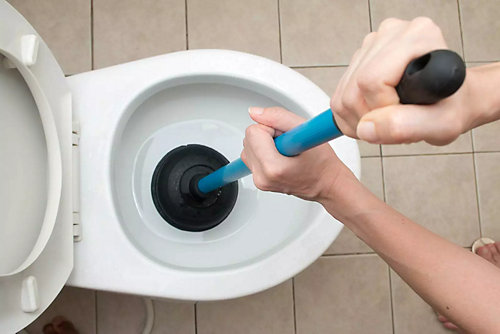
Everyday Habits That Prevent Clogs
Even the best toilet needs good habits. This is the practical side of how do I choose a toilet that won’t clog and keep it that way.
- Only flush waste and toilet paper. No wipes, even if “flushable.”
- Use moderate paper. Very thick or quilted paper can jam small bends.
- Hold the handle down on older models to allow a full flush when needed.
- Clean with gentle products. Harsh chemicals can damage seals and glazing over time.
- Check the fill level. If the tank water is low, the flush will be weak.
I keep a small plunger nearby in rentals. But since switching to high MaP, glazed-trapway models, we use it far less.
Popular Features Worth Paying For
A few add-ons make daily life easier and can help prevent clogs.
- Skirted bowls: Easier to clean, fewer dust traps. Looks sleek.
- Comfort height (around 17 to 19 inches): Easier on knees and back.
- Soft-close seat: Quiet and prevents slams that can loosen bolts over time.
- Rimless wash: Better bowl rinse and less buildup under the rim.
- Smart seats or bidets: Reduce paper use, which can mean fewer clogs.
If you are still thinking how do I choose a toilet that won’t clog, combine high performance with sensible features that fit your home.
Brand and Model Tips From The Field
I avoid naming favorites in case lines change, but here is a safe path.
- Choose brands known for high MaP scores across many models.
- Look for consistent praise for strong siphon action and clean bowls.
- Avoid discontinued or untested ultra-low-flow models with weak reviews.
- Buy from sellers with easy returns. If it performs poorly in your home, swap it.
Over the years, the best results come from models with 3 inch or 4 inch flush valves, 2-3/8 inch glazed trapways, and independent test scores above 800 grams. This is the real answer to how do I choose a toilet that won’t clog without guesswork.
Sample Checklists You Can Use
Use these quick lists as you compare.
Must-have specs
- MaP 800g or higher
- 3 inch or 4 inch flush valve
- 2-1/8 inch to 2-3/8 inch fully glazed trapway
- Strong siphon jet
- WaterSense 1.28 gpf or better
Home fit and install
- 12 inch rough-in (measure to confirm)
- Check venting and flange height
- Confirm space for elongated bowl
- Parts available locally
If you ask how do I choose a toilet that won’t clog and still fits my space, these lists will guide you to the right match fast.
Frequently Asked Questions of how do I choose a toilet that won’t clog
What is a good MaP score to prevent clogs?
Aim for 800 grams or higher. Many top models achieve 1000 grams and handle heavy loads well.
Is a bigger trapway always better?
A larger, fully glazed trapway helps, but design matters too. Smooth curves and a strong siphon jet are key.
Do low-flow toilets clog more?
Not if engineered well. Many 1.28 gpf models with high MaP scores outperform older 3.5 gpf toilets.
Should I choose gravity or pressure-assist?
Most homes do well with a top-rated gravity model. Choose pressure-assist for heavy use, longer drain runs, or older pipes.
How do I test performance before buying?
Check independent test data, read many user reviews, and confirm specs like trapway size and flush valve size. Buy from a retailer with easy returns.
Does elongated vs. round bowl affect clogs?
Elongated bowls often have better siphon action and user comfort. Round bowls save space but may give up some performance.
Can installation cause clogs even with a great toilet?
Yes. Poor venting, bad flange height, or incorrect slope can cause repeat clogs. Fix the system, not just the fixture.
Conclusion
If you’ve wondered how do I choose a toilet that won’t clog, focus on what you can verify: high MaP score, a large glazed trapway, a strong siphon jet, and a quality flush valve. Match those to a proper install and smart habits, and clogs fade into the background. Make your shortlist today, compare the specs, and buy from a retailer with easy returns. Ready to upgrade? Save this guide, share it with a friend, and leave a comment with your top pick.

Table of Contents