Shake out, comb fibers, wash on gentle, air dry, store flat.
If you’ve ever wondered how to clean a dust mop the right way, you’re in the perfect place. I’ve cleaned homes, gyms, and studios for years, and a clean mop always delivers faster, safer results. In this guide, I’ll show how to clean a dust mop with simple steps, expert tips, and hard-won lessons so you can get pro-level results at home.
Why keeping your dust mop clean makes a big difference
A dust mop works like a magnet for fine grit, hair, and lint. When it gets clogged, it pushes dirt around and leaves streaks. Clean fibers pick up more in fewer passes, which saves time and helps floors last longer.
When people ask how to clean a dust mop, they often focus on washing. The secret is the full cycle: shake, comb, wash, dry, and store. That rhythm keeps fibers open and ready to work.

Know your dust mop type before you wash
Different mop heads need different care. Check the tag or the product page if you still have it.
- Microfiber mop heads. Best for fine dust and allergy control. Avoid fabric softener and high heat. They can melt or lose charge.
- Cotton mop heads. Great for heavy lint and shop dust. They can handle warmer water. You can use a light dust mop treatment on them, not on microfiber.
- Synthetic blends. Durable and budget friendly. Treat like microfiber unless the label says otherwise.
If you are unsure how to clean a dust mop you own, start with the gentlest method. Then adjust based on results.
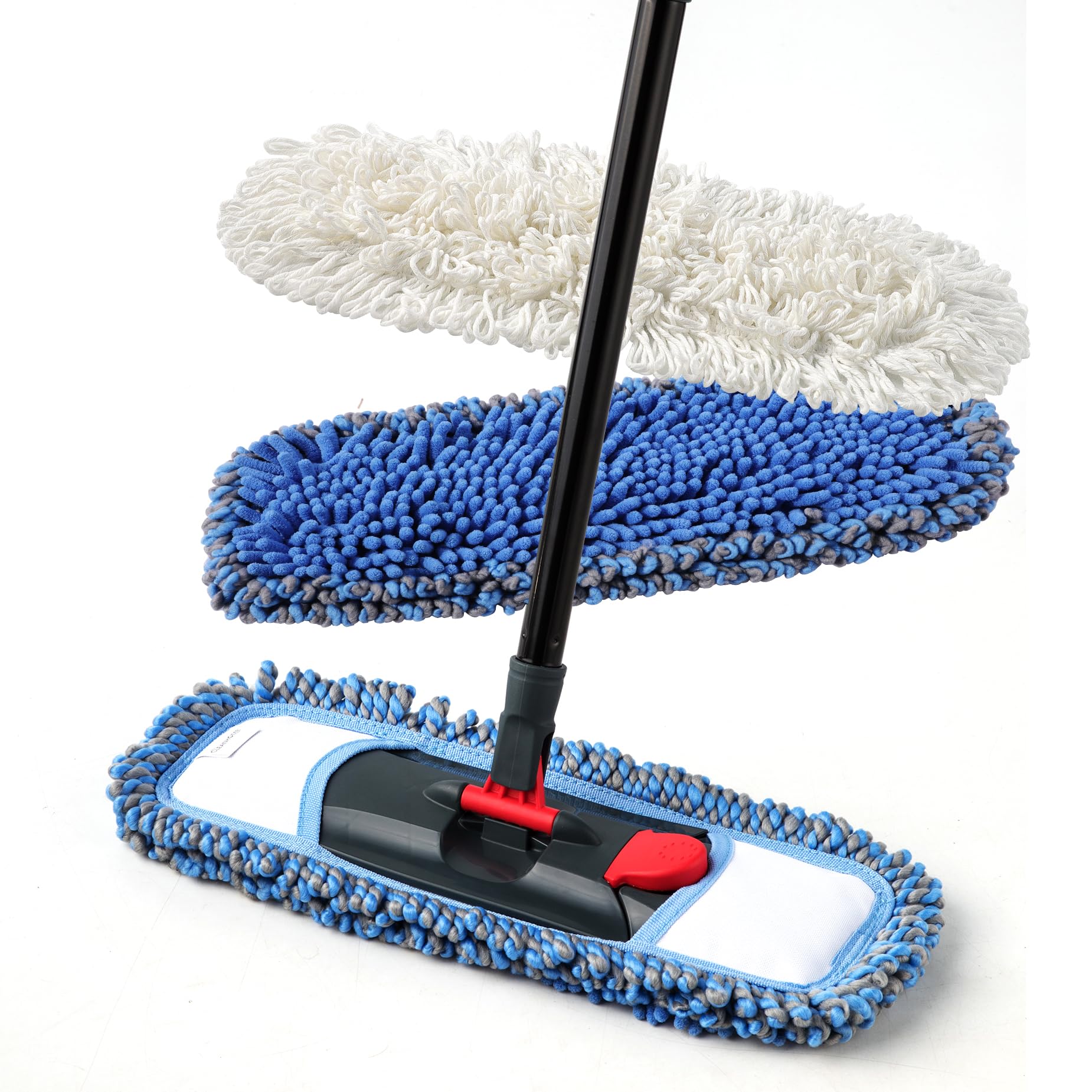
Step-by-step: how to clean a dust mop
Follow this routine after every use or two. It takes a few minutes and pays off fast.
Shake it out
- Take the mop outside. Hold the frame and gently shake. Tap the frame, not the fibers, to avoid breakage.
- For apartments, hold it into a trash bag and shake inside the bag.
Dry-comb or vacuum the fibers
- Use a mop comb or a clean pet brush. Work from base to tips. This lifts hair and threads.
- Or use a vacuum with the upholstery tool. Low suction is enough.
Remove from the frame
- Release the clip or hook-and-loop. Close any Velcro so it does not snag in the wash.
Machine wash on gentle
- Use cold or warm water. Add a small amount of liquid detergent.
- No bleach for microfiber. No fabric softener, ever. It coats fibers and kills performance.
Rinse well
- A second rinse helps remove residue that can cause streaks.
Dry the right way
- Air dry flat or hang. If you must use a dryer, use low heat. High heat can ruin microfiber.
- Make sure the head is fully dry before storage to prevent odors.
Store clean and flat
- Keep it off the floor. Store on a hook, in a bin, or in a breathable bag.
I have tested this routine in busy studios. It keeps pickup strong and stops that dusty haze on dark floors. If a friend asks how to clean a dust mop for best results, this is the exact sequence I share.
:max_bytes(150000):strip_icc()/dust-mop-definition-1901104-hero-a321771150534bfa85428a72ec6e82f0.jpg)
Washing rules by material
Cleaning rules vary by fiber. Follow these simple settings for longer life.
Microfiber
- Water temp. Cold to warm, up to about 105°F.
- Detergent. Plain liquid. No fabric softener or dryer sheets.
- Drying. Air dry or low heat. Shake out while damp to fluff.
Cotton
- Water temp. Warm is fine. Cool water helps reduce shrinkage.
- Detergent. Regular liquid detergent works well.
- Drying. Air dry or low medium heat. Cotton can shrink on high heat.
- Treatment. You can lightly recondition with a dust mop treatment spray after it is dry.
Synthetic blends
- Water temp. Cold to warm.
- Detergent. Mild liquid. Avoid softeners.
- Drying. Air dry or low heat.
If you still wonder how to clean a dust mop without damaging it, think gentle wash, no softener, and low heat.

Deep clean, deodorize, and sanitize
Sometimes a regular wash is not enough. Try these quick fixes.
- Heavy buildup
- Soak for 30 minutes in warm water with a teaspoon of detergent and a tablespoon of baking soda. Then wash.
- Odors
- Add half a cup of white vinegar to the rinse. It helps kill smells and cuts residue.
- Stains
- For cotton, an oxygen-based cleaner can help. Avoid chlorine bleach on microfiber.
- Sanitizing
- Soap and proper washing remove most microbes well. For extra sanitizing, use a hot wash cycle if the label allows, then dry fully. Always follow product labels to avoid coating fibers.
These are simple, safe steps I use in schools and gyms. If someone asks how to clean a dust mop after a tough job, this is the plan.
:max_bytes(150000):strip_icc()/GettyImages-1055225650-f2c1bc3c9b4642e1978769dff73798b1.jpg)
How often to clean and a simple schedule
Match the cleaning schedule to how you use the mop.
- Light home use
- Shake and comb after each session. Machine wash after every 2 to 3 uses.
- Pet homes or allergy care
- Shake and comb after each session. Machine wash after each use.
- Commercial spaces
- Shake between rooms. Wash daily or after each shift.
If you are mapping out how to clean a dust mop week to week, put a rinse day on your calendar. This reduces buildup and keeps dust pickup high.
Mistakes to avoid
Small errors can ruin a good mop head fast.
- Using fabric softener
- It coats fibers and makes dust slide off.
- Overloading the washer
- Mop heads need room to swish and release dirt.
- High heat drying
- It can melt microfiber and shrink cotton.
- Using bleach on microfiber
- It breaks fibers and weakens the split ends that grab dust.
- Skipping the comb step
- Hair and threads act like a net that holds soil.
If you are still figuring out how to clean a dust mop, avoid these five traps and you will see better results right away.
Storage and recharging for better pickup
Good storage is half the job. Keep your mop dry, clean, and ready.
- Storage
- Store flat or hang on a hook. Keep it off damp floors. Use a breathable bag for transport.
- Recharging pickup
- For cotton heads, a light spray of dust mop treatment on clean, dry fibers helps trap fine dust. Let it sit for a few hours before use.
- Do not use oils or treatments on microfiber. It reduces static charge and clogs the split fibers.
Anyone asking how to clean a dust mop often forgets storage. A clean, dry, well-stored head performs like new.
Budget and eco-friendly tips
Save money and reduce waste while keeping results high.
- Use less detergent
- A little goes a long way and rinses cleaner.
- Mesh laundry bag
- Protects fibers and stops tangles with other laundry.
- Cold water most days
- It saves energy and is safe for most heads.
- Repair, not replace
- Trim loose threads and resew edges if you can.
- Rotate heads
- Keep two heads per mop. One in use, one drying.
When friends ask how to clean a dust mop on a budget, I suggest this simple rotation with cold water and no softeners. It works.

Troubleshooting common problems
Fix small issues before they turn into big ones.
- Mop leaves streaks
- Rinse again to remove detergent film. Check for fabric softener residue.
- Fibers feel stiff
- Soak in warm water with a splash of vinegar, then rinse.
- Poor dust pickup
- Comb thoroughly. For cotton, apply a light dust mop treatment. For microfiber, wash again without softeners and air dry.
- Shedding or fraying
- Use gentler cycles and lower heat. Inspect seams.
- Musty smell
- Dry fully, then store in a ventilated space.
If you came here to learn how to clean a dust mop for top pickup, these quick fixes will get you back on track fast.
Frequently Asked Questions of how to clean a dust mop
How often should I wash a dust mop?
Wash after every 2 to 3 uses for homes, and after each use for high-traffic areas. Shake and comb after every session to keep fibers open.
Can I put a microfiber dust mop in the dryer?
Yes, on low heat only. High heat can damage fibers and reduce dust pickup.
What detergent is best for dust mops?
Use a simple liquid detergent with no fabric softener or scents. Heavy additives can leave residue and cause streaks.
Is vinegar safe for cleaning dust mops?
Yes, a small amount in the rinse helps remove odors and residue. Avoid soaking microfiber in strong acids for long periods.
Should I use dust mop treatment oil?
Use it only on cotton mops, and very lightly. Do not use oils on microfiber because they clog the fibers and reduce performance.
Conclusion
You now know how to clean a dust mop from start to finish: shake, comb, wash, rinse, dry, and store. Treat the material right, avoid softeners and high heat, and handle deep cleans with simple, safe methods.
Take five minutes today to shake, comb, and wash your mop head. Your floors will show the difference on the very next pass. Want more smart cleaning tips like this? Subscribe, share a question in the comments, or request a guide you want next.

Table of Contents