It traps steam so pressure rises, raising boiling point to cook food faster.
Curious about how does a pressure cooker work and why it makes dinner so fast? I’ve used both stovetop and electric models for years in busy home kitchens and in test kitchens. In this guide, I break down how does a pressure cooker work in plain words. You’ll learn the science, parts, safety, and real tips that help you cook smarter, not harder.
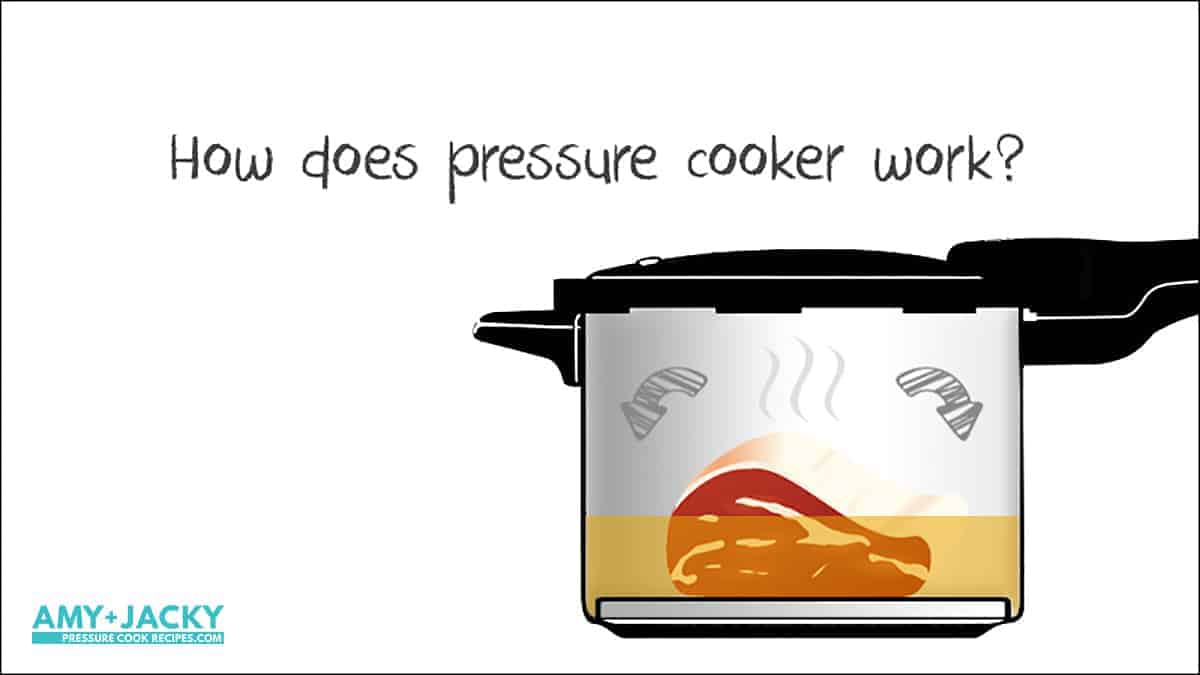
The science: pressure, steam, and a higher boiling point
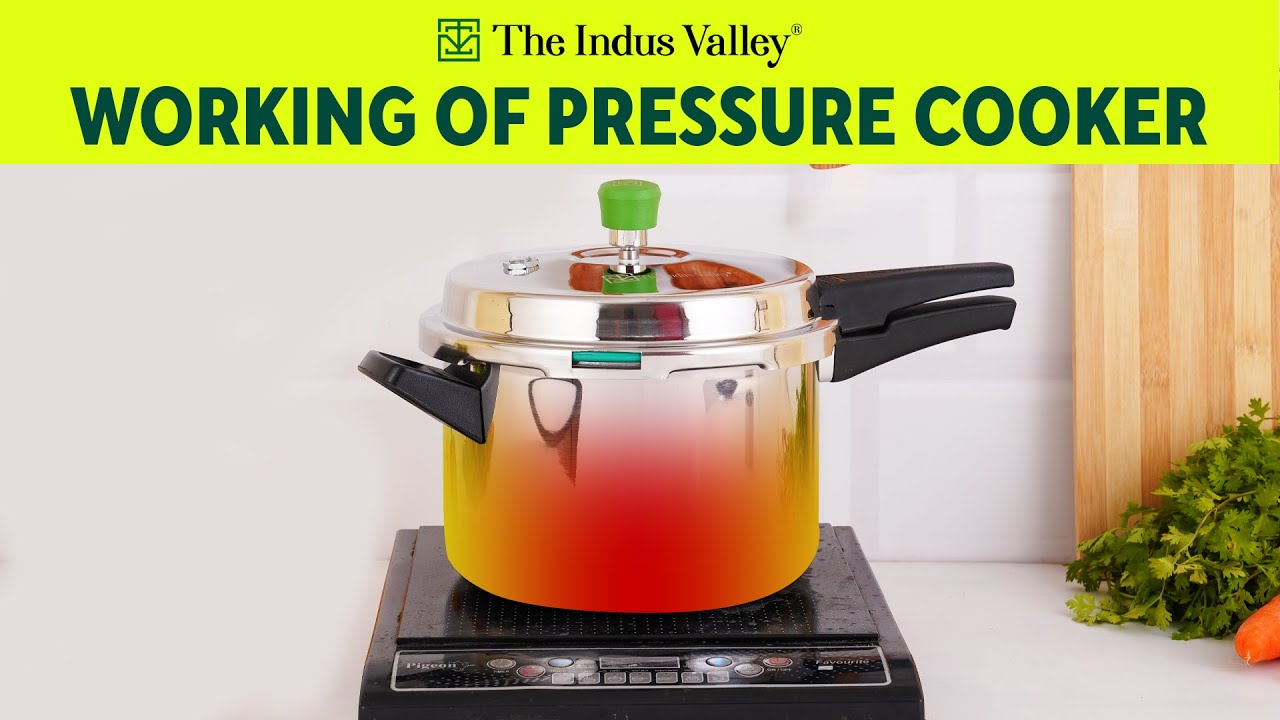
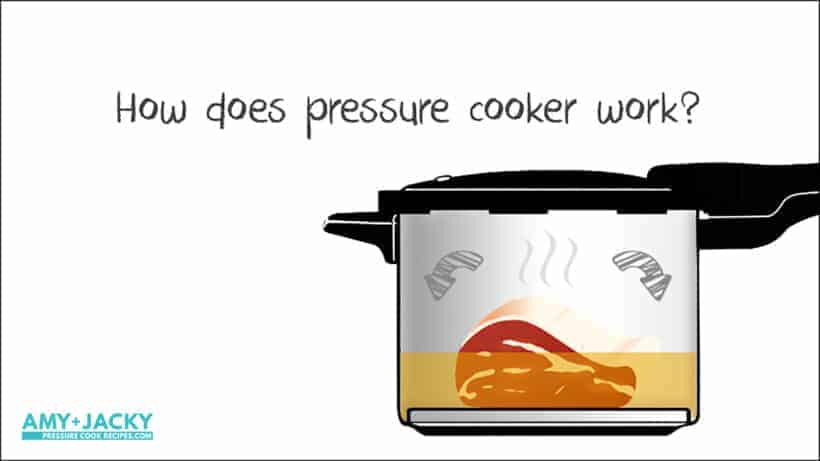
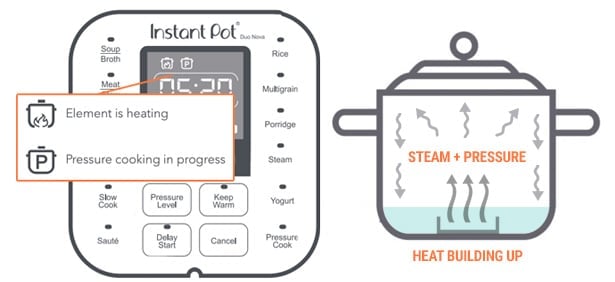
A pressure cooker is a sealed pot. As water heats, steam forms and cannot escape. This raises pressure inside the pot.
Higher pressure lifts the boiling point of water. At sea level, water boils at 212°F. In most stovetop pressure cookers at 15 psi, it reaches about 250°F. Electric models often run near 10 to 12 psi, or about 239°F to 244°F. Hotter steam and water cook food faster and more evenly.
Think of it like this: your food is inside a tiny sauna. The air is dense with steam. Heat moves into the food fast. Tough fibers soften. Beans cream out. Stocks extract collagen in a fraction of the usual time.
This is the core answer to how does a pressure cooker work. It uses pressure to raise temperature. That is why the cook time falls.
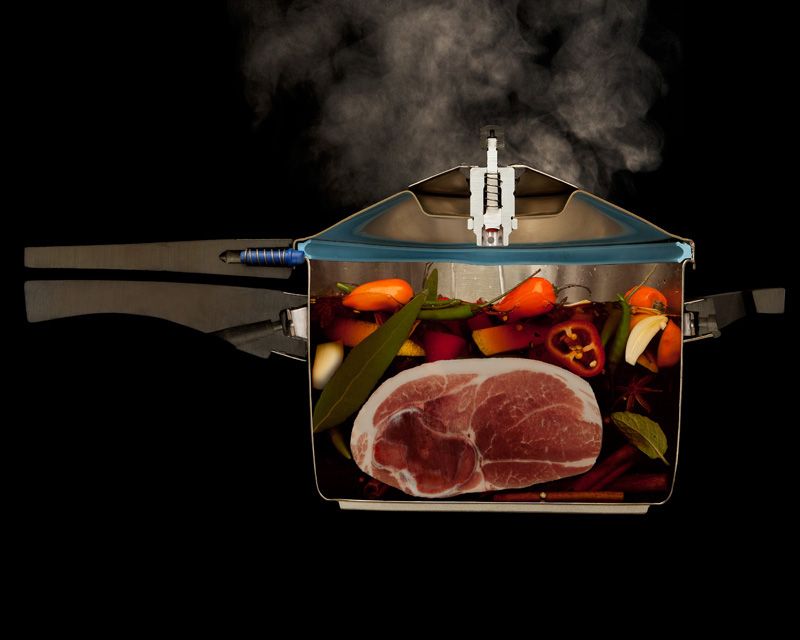
Main parts of a pressure cooker
Knowing each part helps you cook with confidence and keep things safe.
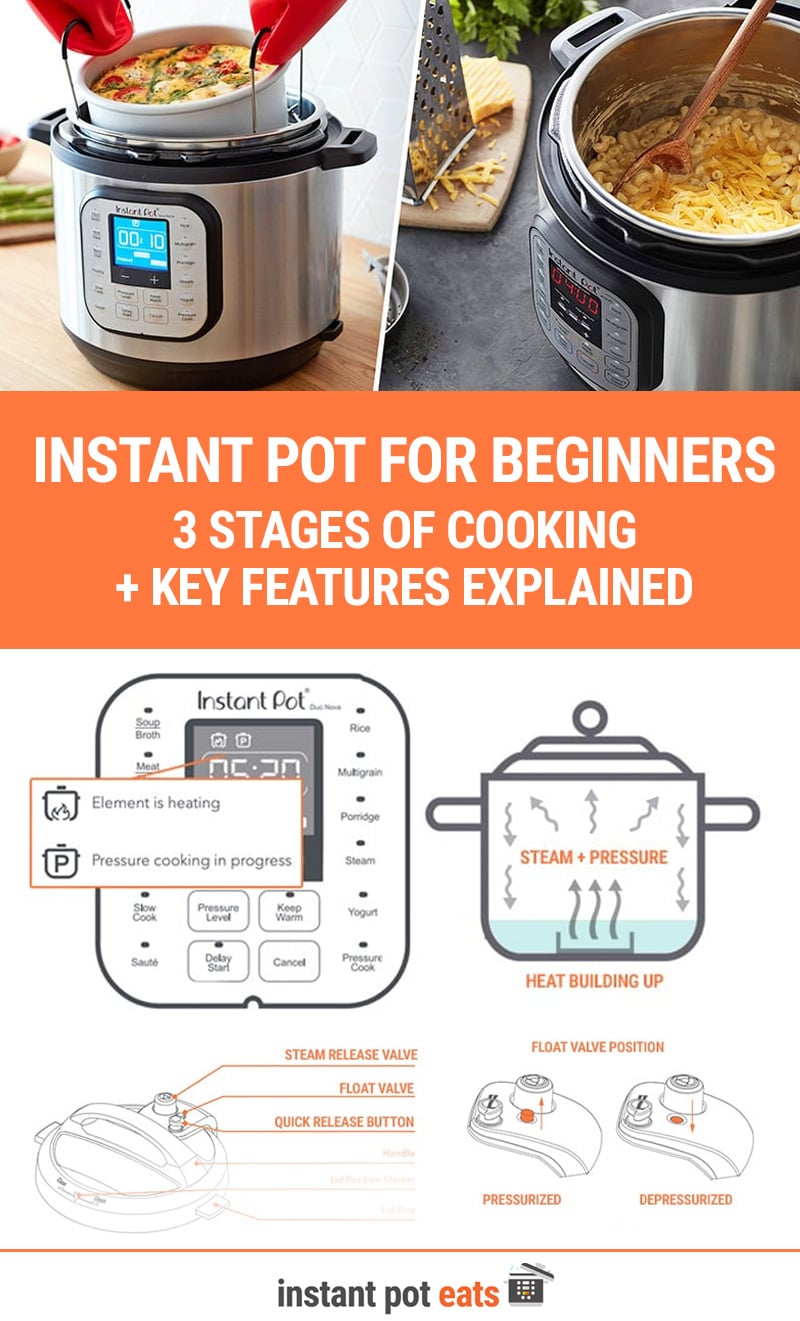
- Lid and locking ring. Seals the chamber so pressure can build.
- Gasket or sealing ring. A silicone or rubber ring that stops steam leaks.
- Pressure regulator or spring valve. Controls and limits pressure levels.
- Safety valve or plug. Vents extra pressure if the main system fails.
- Pressure indicator or float pin. Shows when the pot is under pressure.
- Vent pipe and anti-block shield. Stops food from clogging the vent.
- Base or inner pot. Heavy bottom spreads heat and resists scorching.
- Trivet or rack. Lifts food above liquid for steaming.
- Heating source. A burner for stovetop. A built-in heater for electric models.
- Control panel and sensors (electric). Manage temperature, pressure, and timing.
Each part works together. This is how does a pressure cooker work in practice: seal, heat, pressurize, and control.
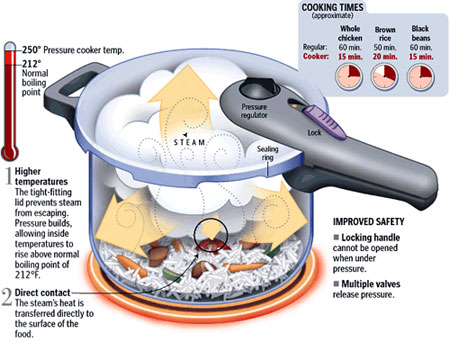
Step-by-step: what happens inside the pot
Here is the simple chain of events during a cook. This is the best way to picture how does a pressure cooker work from start to finish.
- You add food and measured liquid. Most cooks need at least 1 cup in electric and a bit more in some stovetop units.
- You lock the lid. The gasket seals the pot.
- You set heat or a program. Water warms and starts to boil.
- Steam builds. Pressure rises. The indicator lifts.
- The regulator limits pressure to a set range. Heat input and venting balance out.
- The inside runs hotter than a normal boil. Food cooks fast.
- When time ends, you stop heat. Pressure starts to drop.
- You release pressure. Quick release vents steam fast. Natural release lets it fall on its own. Broths and beans often like natural release to reduce foaming.
Tip from my kitchen: for stews, I often do a 10-minute natural release, then quick release. This keeps sauce from sputtering out and keeps meat tender.
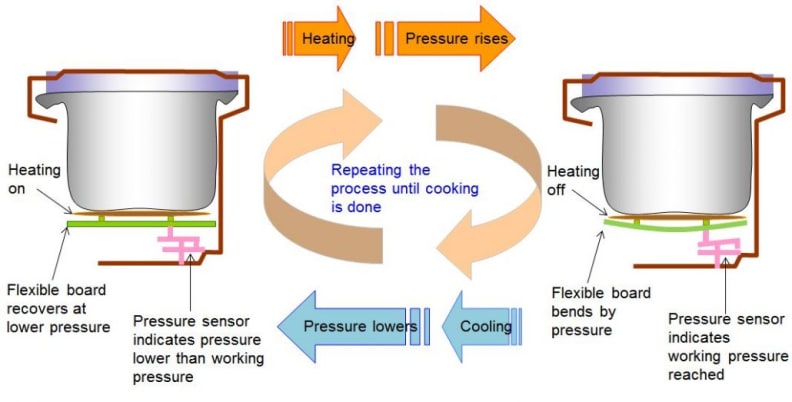
Stovetop vs electric pressure cookers
Both work on the same science. But they feel different day to day.
- Pressure levels. Stovetop often hits about 15 psi. Electric often holds near 10 to 12 psi.
- Speed. Stovetop is a bit faster at high pressure. Electric is more hands-off.
- Control. Stovetop gives more searing power and quick heat changes. Electric has set programs and sensors.
- Safety. Both have many safety layers. Electric adds extra sensors and auto shutoff.
- Ease. Electric is set-and-forget. Stovetop is simple and durable, great for big batches.
- Noise. Modern units are quiet. Old jiggler types hiss. Electric is very calm.
If you ask how does a pressure cooker work better for you, think about what you cook. For beans and rice on repeat, electric shines. For fast browning and big stocks, stovetop is hard to beat.

Safety features, myths, and best practices
Modern cookers have layered safety. That is key to how does a pressure cooker work without risk.
- Locking lid. It will not open under pressure.
- Primary regulator. Keeps pressure at the target.
- Secondary vent or valve. Vents if the main path clogs.
- Gasket overpressure release. The ring lifts to vent if needed.
- Thermal cutoff (electric). Stops heat if things go wrong.
Common myths and truths:
- Myth: Pressure cookers explode. Truth: Modern units have several failsafes. Accidents are rare with proper use.
- Myth: More water is always safer. Truth: Too much water can cause sputter and bland food. Follow minimums and max fill lines.
- Myth: All foods cook well under high pressure. Truth: Delicate greens and thin fish can overcook. Use low pressure or steam them after.
Best practices I follow:
- Keep vents clean. A clogged vent causes trouble.
- Do not overfill. Stay under the max and be extra cautious with foamy foods.
- Use enough liquid. Most recipes need at least 1 cup.
- Watch starchy loads. Rinse rice and beans to reduce foam.
- Replace gaskets on schedule. A tired seal leaks.
Cooking tips, times, and real-life use cases
My go-to meals show how does a pressure cooker work in daily life.
- Dried beans. No soak: 25 to 40 minutes at pressure, then natural release.
- Brown rice. 15 to 22 minutes, depending on model and altitude.
- Tough cuts like chuck roast. 35 to 50 minutes to tender, plus natural release.
- Stock and bone broth. 30 to 90 minutes yields rich, gelled broth.
- Risotto. 5 to 8 minutes at pressure, stir in butter and cheese at the end.
Tips that help:
- Brown first. Sear meat and onions for flavor, then deglaze with water to prevent scorch.
- Use a trivet. It keeps delicate items out of the liquid.
- Layer smart. Put denser items at the bottom, delicate on top.
- Adjust for altitude. Higher altitude means slightly more time.
- Taste and finish. Pressure builds base flavor. Fresh herbs, lemon, or vinegar at the end brighten the dish.
Mistakes I learned to avoid:
- Lifting the lid too soon. Let pressure drop fully.
- Thickening before pressure. Cornstarch or flour can scorch. Thicken after.
- Ignoring the max fill. For beans and grains, stop at the halfway line to allow expansion.
Maintenance and care for long life
Good care is part of how does a pressure cooker work well for years.
- Clean the lid parts after each cook. Remove and wash the anti-block shield and gasket.
- Check the gasket often. Replace if cracked, loose, or smelly.
- Clear the vent path. Run a thin brush through the tube.
- Wash the inner pot gently. Avoid deep scratches.
- Store the lid upside down. Do not clamp it on the pot. This protects the gasket.
- Deodorize with a water and vinegar steam cycle if odors linger.
- Do a quick water test after long storage to confirm proper sealing.
Energy efficiency and sustainability
A pressure cooker is fast, but it is also green. Here is how does a pressure cooker work to save energy.
- Shorter cook times mean less gas or electricity.
- Less heat leaks into your kitchen, so your AC works less.
- It turns cheap, tough cuts and dried beans into weeknight food. That saves money and reduces food waste.
- Batch cooking is easy. One session can feed many meals.
Independent tests show pressure cooking cuts energy use a lot compared to open-pot simmering. That is good for your bills and the planet.
Troubleshooting: common issues and fixes
If you ever ask how does a pressure cooker work when it will not pressurize, start here.
- It will not reach pressure. Check the gasket, water level, and that the lid is locked. On electric, ensure the vent is set to seal.
- Steam leaks around the rim. Clean and reseat the gasket. Replace if worn.
- Food scorches on the bottom. Use more liquid. Deglaze after searing. Use a diffuser on strong burners.
- Burn or food burn message (electric). Thick sauces trigger it. Add liquid, scrape the pot, and avoid flour before pressure.
- Foaming or sputtering. Rinse starches. Add oil. Use natural release.
- Lid stuck after cooking. Let it cool longer. Never force it. Tap the valve to ensure it is fully vented.
- Strong odors. Clean the lid parts. Soak the gasket in a baking soda solution.
Frequently Asked Questions of how does a pressure cooker work
How does a pressure cooker work in simple terms?
It traps steam, raises pressure, and lifts the boiling point. Hotter steam cooks food faster and more evenly.
What pressure is standard, and why does it matter?
Many stovetop units run near 15 psi. Many electric models run near 10 to 12 psi. Higher pressure means higher temperature and shorter cook times.
Is pressure cooking healthy?
Yes. Shorter time and less water can help retain vitamins and color. Studies show good nutrient retention compared to long boiling.
How much water do I need?
Most electric cookers need at least 1 cup of liquid. Stovetop models may need a bit more. Follow your manual for minimums.
Can I open the lid while it is under pressure?
No. Wait until the pressure indicator drops and steam is fully vented. The lid lock stops unsafe opening.
Why choose natural release vs quick release?
Natural release keeps foamy foods calm and helps tenderize meat. Quick release saves time when overcooking is a risk.
Does altitude change how does a pressure cooker work?
At higher altitudes, ambient pressure is lower. Add a few minutes of cook time to compensate and ensure tenderness.
Conclusion
You now know how does a pressure cooker work: seal in steam, raise pressure, boost temperature, and cook food fast with great flavor. With clean vents, a good gasket, and smart liquid use, it becomes a safe, daily tool.
Try one recipe this week. Start with beans, rice, or a simple stew. Then note your times and tastes, and fine-tune from there. Want more guides like this? Subscribe, share your results, or drop your questions in the comments.

Table of Contents