Cut fabric, sew simple seams, add closure—your custom pillow cover is done.
If you want to learn how to make a pillow cover with clean corners and a snug fit, you’re in the right spot. I’ve sewn hundreds in my studio for clients and my own home. In this guide, I’ll show you how to make a pillow cover three ways: envelope, zip, and no-sew. You’ll get exact cuts, clear steps, and pro tips that save time and money.

What you’ll need
You do not need a big setup. Simple tools work well. These are my go-tos after many projects.
- Fabric. Cotton, linen, canvas, denim, twill, or upholstery fabric.
- Pillow insert. Common sizes: 16×16, 18×18, 20×20, 12×20.
- Thread. All-purpose polyester.
- Scissors or rotary cutter and mat.
- Sewing machine. A basic straight stitch is enough.
- Zipper. For the zip method: a nylon coil zip, 14–22 inches, or longer.
- Pins or clips. Clips are great for thick fabric.
- Measuring tape or clear ruler.
- Iron and ironing board.
- Optional. Fusible web tape or fabric glue for no-sew, seam gauge, fabric marker.

Choosing the right fabric and size
Picking fabric is step one. This choice sets the feel, the drape, and the life of your cover. It also affects how to make a pillow cover that holds shape and looks pro.
Fabric types and best uses
- Cotton or linen. Breathable, easy to sew, crisp look. Great for most rooms.
- Canvas, denim, twill. Strong and durable. Good for pets and kids.
- Velvet or chenille. Plush and luxe. Use a walking foot if you have one.
- Outdoor fabric. Fade and water resistant. Good for patios.
Tip from the workroom: Prewash cotton and linen. Dry it the way you will use it. This stops shrink after you sew.
Pillow insert sizes and fit
- A tight fit looks rich. It keeps corners full.
- Cut front fabric the same size as the insert for a firm fit.
- If your fabric is very thick, add 0.25 inch total ease.
Common inserts:
- 16×16. Cut 16×16 front.
- 18×18. Cut 18×18 front.
- 20×20. Cut 20×20 front.
- 12×20 (lumbar). Cut 12×20 front.

How to measure and cut accurately
Clean cuts make clean seams. Here is how to make a pillow cover with exact lines.
- Square your fabric. Align the weave with your ruler edge.
- Use a rotary cutter for sharp, straight edges.
- Standard seam allowance. Use 0.5 inch on all sides.
- Press folds before you sew. Heat sets the shape.
Cut plan:
- Front panel. Same size as your insert.
- Back for envelope method. Two rectangles. Each is the pillow width by half the height plus 5 inches overlap.
- Back for zip method. Two rectangles. Each is the pillow height by half the width plus seam allowance, or cut one full back and insert zip across it.
Example for an 18×18 insert:
- Front. 18×18.
- Envelope backs. Two pieces, 18 wide x 14 high (9 + 5 overlap).
- Zipper backs. Two pieces, 18 wide x 9.5 high (9 + 0.5 seam).

Method 1: Envelope pillow cover (beginner-friendly)
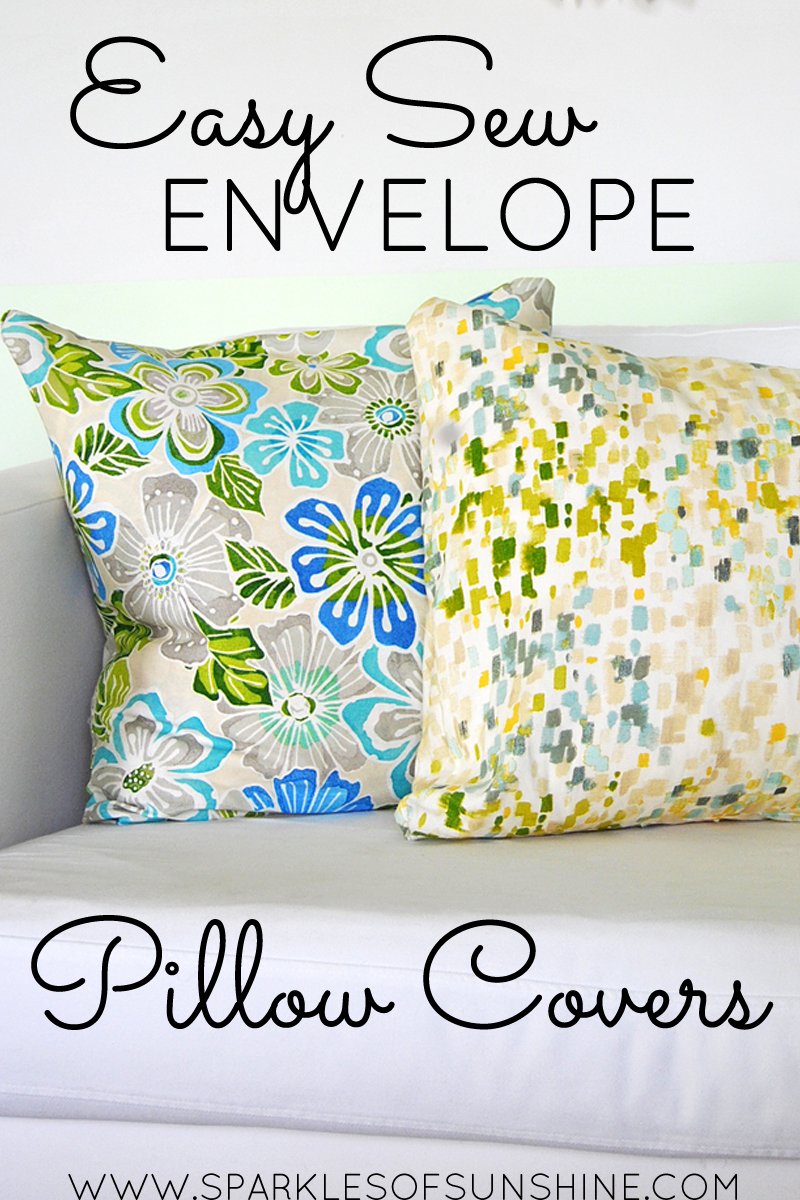
This is the easiest way for how to make a pillow cover. No zippers. No fuss. It removes fast for wash day.
Steps:
- Cut one front and two back pieces as above.
- Hem one long edge on each back piece. Fold 0.5 inch, press. Fold another 0.5 inch, press. Stitch close to the fold.
- Lay the front right side up. Place the backs right side down. Hemmed edges overlap in the center.
- Pin around all four sides.
- Sew with a 0.5 inch seam. Backstitch at the start and end.
- Clip the corners at a 45-degree angle. Do not cut the stitching.
- Turn right side out. Use a blunt tool to push corners. Press well.
- Insert the pillow. Fluff the corners.
Pro tips:
- Topstitch 0.25 inch around the edge for a crisp frame.
- Add a 2 inch facing to the back hems if the fabric is thin. This strengthens the opening.
Method 2: Zippered pillow cover (clean and removable)
A zipper gives a sleek look. It is ideal for smooth fabrics and modern rooms. It is also my client favorite for daily use.
Steps:
- Cut front and back. For an 18×18, cut one front 18×18 and one back 18×18.
- Decide zipper placement. Bottom edge or hidden across the center back. I like the bottom.
- Finish the raw edge where the zip will go. Use a zigzag or pinking shears if you have no serger.
- With right sides together, sew that edge with a long basting stitch and a 0.5 inch seam.
- Press the seam open. Center the zipper face down on the seam. Pin or use double-sided tape.
- Switch to a zipper foot. Stitch down one side, across the bottom, and up the other side.
- Use a seam ripper to remove the basted seam. The zipper is now exposed.
- Sew the three remaining sides with a 0.5 inch seam. Backstitch at corners.
- Clip corners, turn, and press.
Pro tips:
- Choose a zipper slightly shorter than the pillow width. A 16–18 inch zip suits an 18×18 pillow.
- Stitch 0.5 inch bar tacks at both zip ends. This stops stress tears.

No-sew pillow cover (quick DIY)
Want a fast win? This is how to make a pillow cover with no machine. It is perfect for dorms or rentals.
You need:
- Fusible web tape or fabric glue.
- Iron if using fusible web.
Steps:
- Cut one front and two back pieces as for the envelope method.
- Create the back hems. Fold 0.5 inch twice on each back piece. Bond the folds with tape or glue. Press to set.
- Stack the layers right sides together. Overlap the back pieces.
- Bond the perimeter with web tape or glue. Leave 0.5 inch from the raw edge for a neat look.
- Let cure per the product label. Turn right side out. Insert the pillow.
Tip:
- Use strong, washable fabric glue. Check the wash label. Many bonds need 24 hours to cure.
Finishing, styling, and care
Good finish work takes a cover from DIY to pro. A few small steps make a big change.
- Press every seam. Steam helps set the shape.
- Topstitch 0.25 inch from the edge if you want a tailored look.
- Add details. Piping, contrast thread, or a leather pull on the zip.
- Care basics. Wash cold on gentle. Line dry or low heat. Press as needed.
- For down inserts. Fluff in a dryer with clean dryer balls.
Styling tip:
- Mix sizes and textures. Try one 20×20, one 18×18, and one 12×20 on a sofa.

Troubleshooting and pro tips from experience
I learned many of these the hard way. Use them to avoid stress and waste.
- Wavy seams. Reduce presser foot pressure or use a walking foot.
- Gaping envelope back. Increase the overlap to 5–6 inches total.
- Pokey corners. Clip more bulk and push gently with a chopstick.
- Cover too loose. Cut the front the same size as the insert next time.
- Misaligned zipper. Baste first, then stitch. Do not skip the press step.
- Pattern match. Cut the front and back from the same motif height. Mark centerlines before you cut.
Time saver:
- Batch cut and press. You can make three covers in the time of one when you prep this way.
Cost, time, and sustainability
Here is how to make a pillow cover on a budget that also feels good for the planet.
- Cost. Fabric $6–$20, zipper $2–$4, thread $1. Total often under $15.
- Time. Envelope: 20–30 minutes. Zipper: 35–50 minutes. No-sew: 15–25 minutes.
- Save more. Use remnant bins or upcycle old drapes, jeans, or tablecloths.
- Waste less. Plan cuts to use the full width. Keep scraps for piping or coasters.
- Longevity. Strong seams and prewashed fabric keep covers in use for years.
Frequently Asked Questions of how to make a pillow cover
What is the easiest way for how to make a pillow cover?
The envelope method is the easiest. It needs straight seams and no zipper.
What size should I cut for how to make a pillow cover that fits tight?
Cut the front the same size as the insert. Use a 0.5 inch seam allowance.
Do I need a special foot for how to make a pillow cover with a zipper?
A zipper foot helps a lot. It lets you stitch close to the teeth for a clean look.
Can I learn how to make a pillow cover without a sewing machine?
Yes. Use fusible web or fabric glue. Follow the envelope layout.
What fabric is best for how to make a pillow cover that lasts?
Canvas, twill, and upholstery blends wear well. Prewash cotton and linen to prevent shrink.
How do I get sharp corners when learning how to make a pillow cover?
Clip seam allowances at the corners before turning. Push corners out gently and press.
How to make a pillow cover that matches patterns across seams?
Mark the center of the motif on both panels. Align marks before cutting and pin well.
Conclusion
You now know how to make a pillow cover three ways: envelope, zip, and no-sew. You can cut with confidence, sew straight seams, and finish like a pro. Small steps like pressing and exact cuts make a huge difference.
Pick one method and try it today. Start with an 18×18 envelope cover and build from there. Share your results, ask a question, or subscribe for more easy sewing guides.

Table of Contents