Match your sleep position, neck height, and fill type to keep your spine neutral.
If you want real comfort and fewer sore mornings, learning how to choose a pillow is worth your time. I’ve tested dozens in homes, hotels, and labs, and the difference is huge. This guide shows you how to choose a pillow step by step, with clear tips, simple checks, and honest advice you can use today.

Start with your sleep position
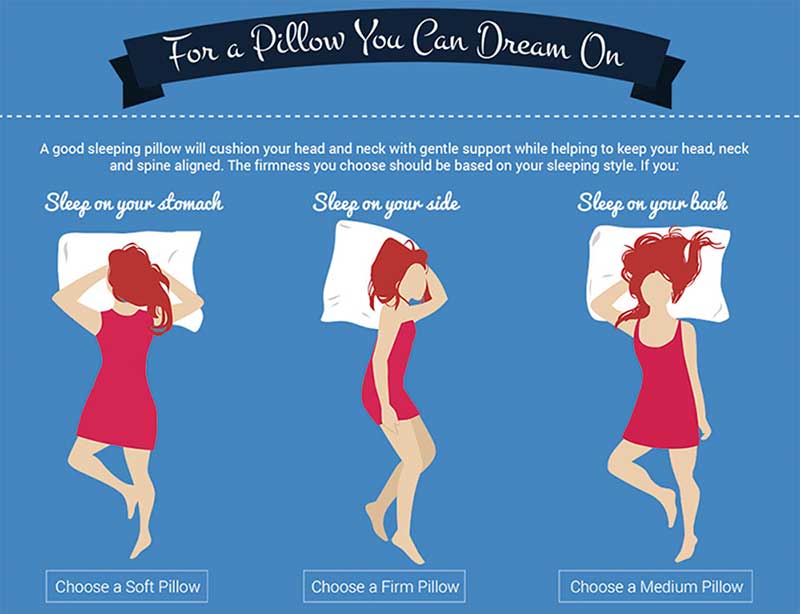
Your sleep position drives most of your choice. It sets the ideal height and feel.
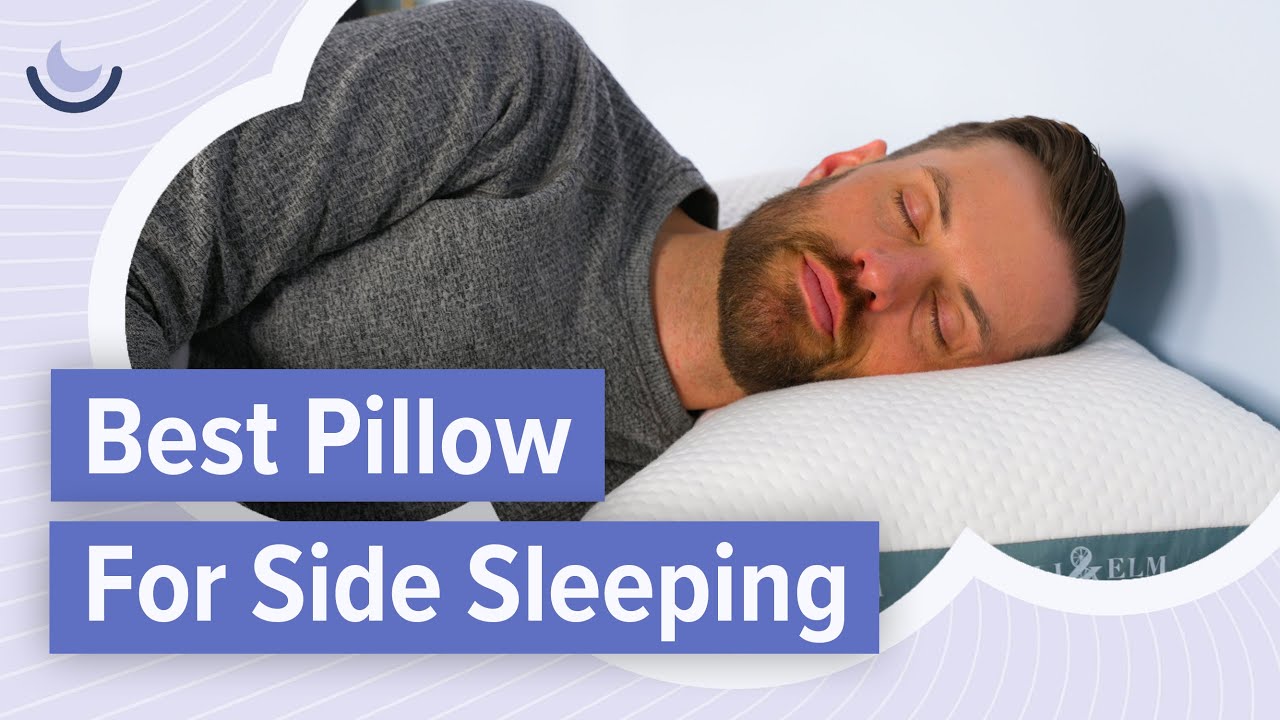
- Side sleepers need a higher loft to fill the space between the shoulder and neck. Aim for a taller, supportive pillow.
- Back sleepers do best with medium loft. Your neck should feel cradled, not pushed forward.
- Stomach sleepers need a very low pillow or none at all to avoid neck strain.
- Combo sleepers need adjustable loft so you can tweak height as you flip.
Personal tip: As a former side-only sleeper who became a combo sleeper, I switched to an adjustable shredded foam. I remove a handful of fill in summer and add it back in winter when my shoulders feel tighter. That small tweak kept my neck happy and taught me how to choose a pillow for changing needs.
Match pillow loft and firmness to your body
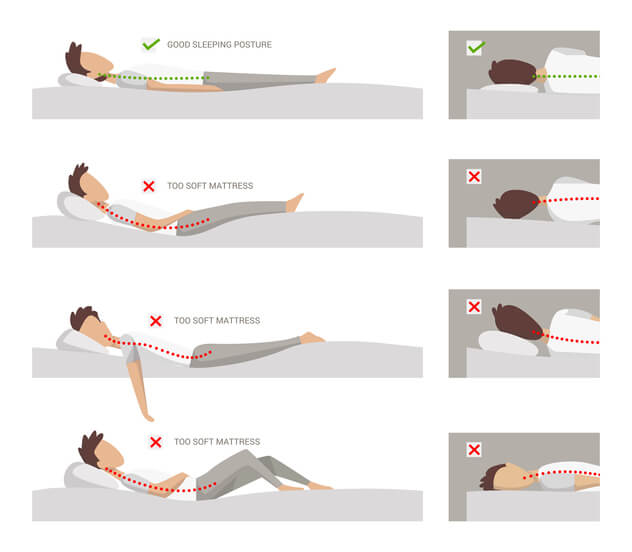
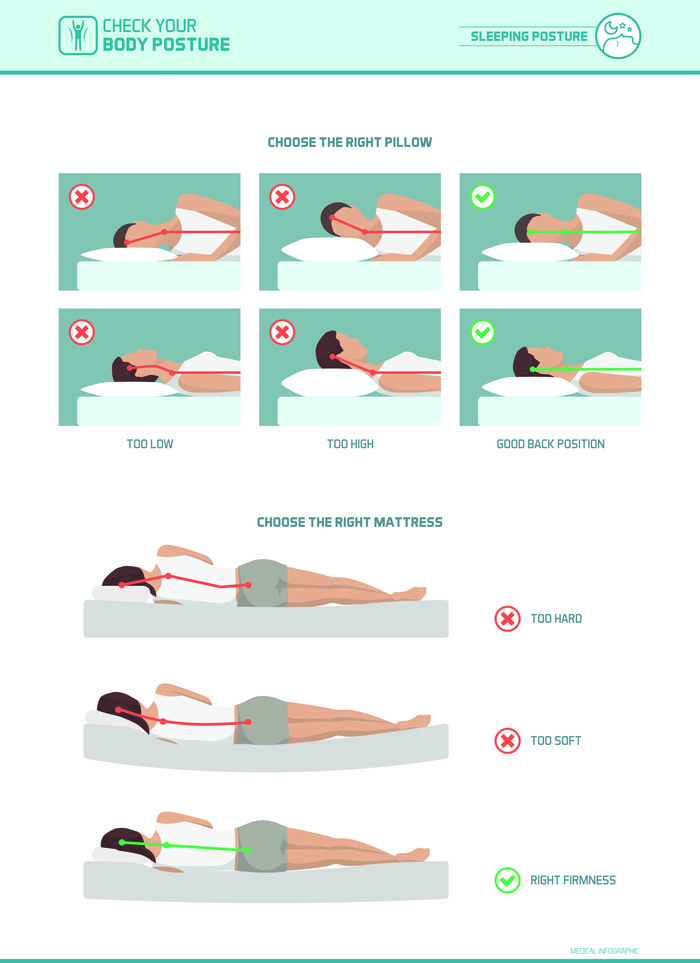
A neutral spine is the goal. Your head should align with your spine like it does when you stand tall.
- Loft is the height of the pillow when your head is on it.
- Firmness is how much it compresses under your weight.
Try this simple fit test:
- Lie on your usual mattress with the pillow.
- Have a friend take a side photo at pillow height.
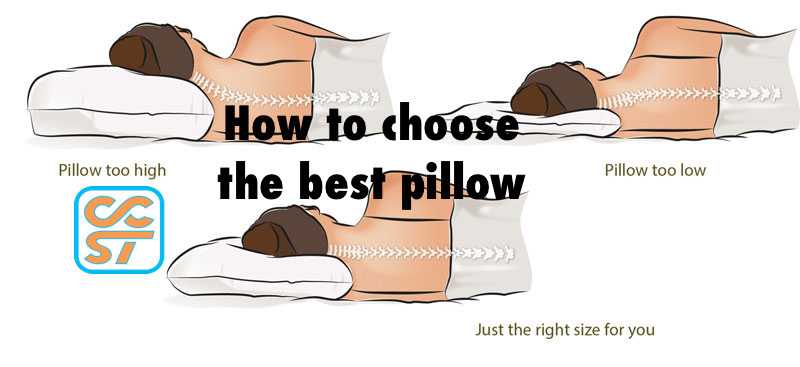
- Your nose should line up with the center of your chest. If your chin tilts up, the pillow is too high. If your head dips, it is too low.
Quick guides by position:
- Side: Medium-high loft, medium-firm to firm. Taller shoulders need more height.
- Back: Medium loft, medium firmness so your head does not rock back.
- Stomach: Low loft, soft. Or use a thin pillow under the shoulder and none under the head.
If you are unsure, choose an adjustable loft pillow. That single feature makes how to choose a pillow much easier for couples and combo sleepers.

Choose the right fill for your comfort and support
Each fill has a feel, weight, and lifespan. Pick based on your needs and care habits.
Memory foam
- Solid foam supports well and holds shape. It can feel warm.
- Shredded foam is airy and adjustable. It may need fluffing.
Latex
- Buoyant, responsive, and cooler than memory foam.
- Great for side and back support. Long lasting.
Down and feather
- Plush, cloud-like comfort with easy shaping.
- Needs daily fluffing. Look for higher fill power for better loft.
Down alternative (microfiber)
- Soft, hypoallergenic, and easy to wash.
- Compresses faster than down. Good value.
Buckwheat hulls
- Very supportive and adjustable with great airflow.
- Heavier and makes a soft rustle. Loved for neck pain relief.
Wool or wool blends
- Good temperature control and moisture wicking.
- Medium support. Needs regular fluffing.
Gel, graphite, or phase-change infusions
- Aim to reduce heat build-up in foam.
- Cooling effects vary by design and cover.
For chemical safety, look for foam certified by CertiPUR-US and fabrics tested to OEKO-TEX standards. These labels add trust when you learn how to choose a pillow for long-term use.
Size and shape matter more than you think
The right size helps you stay aligned as you move.
- Standard: Best for single sleepers and twin/full beds.
- Queen: Good for restless sleepers who need more width.
- King: Great on king beds and for broad shoulders.
- Body pillows: Help side sleepers keep hips and spine aligned.
- Cervical contour pillows: Cradle the neck curve. Useful for chronic neck pain.
- Wedge pillows: Lift the upper body. Helpful for reflux or snoring.
Match pillow width to bed size and your shoulder width. If you shift a lot at night, a queen pillow gives more room to stay on support.

Keep cool: temperature and breathability
Heat can ruin great support. Focus on airflow.
- Choose breathable covers like cotton percale, bamboo viscose, or Tencel.
- Pick ventilated foam or shredded fills for better air movement.
- Look for phase-change fabrics if you sleep hot or live in warm climates.
- Avoid tight, plastic-like protectors that trap heat. Use breathable, waterproof options if needed.
In testing, a breathable cover made a bigger difference than gel infusions alone. This small detail is key when learning how to choose a pillow for hot sleepers.
Allergies, sensitivities, and health needs
If you have allergies or asthma, plan for cleanability and barriers.
- Use a zippered, tightly woven protector to block dust mites.
- Wash down-alternative and some down pillows if labeled machine-washable.
- Air out foam and latex for 24–48 hours to release any new-product smell.
- Look for OEKO-TEX textiles and low-VOC foam standards.
For snoring or reflux, a wedge or a slightly higher side-sleep setup can help. For persistent neck pain, a cervical contour pillow or a customizable loft pillow may reduce strain. These targeted choices are part of how to choose a pillow for specific health goals.

Durability, care, and hygiene
The best pillow is one you can keep clean and supportive.
Typical lifespans
- Latex: 3–5+ years
- High-density memory foam: 3–5 years
- Down: 2–4 years with regular care
- Down alternative: 1–2 years
- Buckwheat: 3–5+ years with periodic hull refresh
Care basics
- Use a washable protector plus a pillowcase. Wash cases weekly.
- Fluff down and down-alternative daily to restore loft.
- Spot-clean foam and air dry. Do not soak solid foam.
- Replace when you fold the pillow in half and it stays folded, or if you wake with new neck pain.
Budget and value: spend smart
Price does not equal comfort. Match spend to what you need.
- Under $40: Solid basics in down-alternative and some shredded foam.
- $40–$120: Most people find their sweet spot here, including adjustable loft and latex.
- $120+: Premium latex, certified down, or specialty designs.
Look for a sleep trial of at least 30 nights. When you ask how to choose a pillow with value in mind, a good return policy matters more than a fancy box.
Try-before-you-buy: test like a pro
You need time and the right setup to judge support.
At home test
- Use your usual mattress. Pillows feel different on soft vs firm beds.
- Try it for at least 7–14 nights to let your neck adapt.
- Note morning feel: neck stiffness, shoulder pressure, or tingling.
In-store test
- Bring your own pillowcase for hygiene.
- Lie on your side and back for at least 5 minutes each.
- Do the photo alignment test if possible.
Keep tags until you are sure. A return window is your safety net while you learn how to choose a pillow without pressure.
Red flags and myths to avoid
Beware of claims that do not match your body or sleep style.
Red flags
- Vague foam density or no material details.
- One-size-fits-all claims without adjustable loft.
- Strong chemical odor that does not fade after airing.
- No return policy or a very short trial.
Common myths
- Firmer is always better for neck pain. Not true. Proper height and contour matter more.
- Higher loft equals more support. Only if it matches your shoulder width and mattress.
- Down is “dirty.” Quality, washed down is clean and durable.
- Expensive means better sleep. Fit beats price every time.
When you know how to choose a pillow based on fit and materials, marketing myths lose power.
A simple checklist for how to choose a pillow
Use this quick list to lock in your pick.
- Confirm your main sleep position.
- Measure your ear-to-shoulder gap while standing tall.
- Pick loft to match that gap on your mattress.
- Choose fill for feel, temperature, and care needs.
- Check certifications and washability.
- Test for a week and adjust loft if possible.
- Keep what gives you neutral alignment and easy mornings.
Frequently Asked Questions of how to choose a pillow
How do I know if my pillow is the right height?
Lie on your side and take a photo from shoulder level. Your nose should line up with your sternum. If your head tilts up or down, adjust loft.
What pillow is best for neck pain?
Look for a pillow that keeps your neck in a neutral curve. Cervical contour or adjustable loft pillows often help because you can fine-tune height.
How often should I replace my pillow?
Every 1–3 years for most fills, sooner if you wake sore or it stays flat. Latex and high-density foam often last longer.
Is memory foam or latex better?
Memory foam molds slowly and feels hugging. Latex feels springy and cool. Choose the one that matches your support needs and heat sensitivity.
Are down pillows good for allergies?
High-quality, washed down can be fine for many people. If you are sensitive, use a zippered protector or choose down-alternative.
Do cooling gel pillows really work?
Sometimes. Breathable covers and ventilated cores make a bigger difference. Test at home to see if heat relief is noticeable.
Can one pillow work for side and back sleeping?
Yes, if it is adjustable. Remove or add fill to change height as you switch positions.
Conclusion
Picking the right pillow is simple when you focus on alignment, loft, and feel. Start with your sleep position, match the height to your shoulder gap, and choose a fill you can live with and care for. That is how to choose a pillow that supports deep, easy sleep night after night.
Take 10 minutes this week to test your current setup. Adjust loft, try a protector, or order an adjustable option with a trial. Ready for better mornings? Put these steps to work, then share your results or questions in the comments.

Table of Contents