Use distilled water, empty and dry daily, and disinfect parts weekly.
If you want to know how to avoid mold in humidifier, you’re in the right place. I’ve managed dozens of home and office units for families and clients, and I’ve cleaned more gunk than I care to admit. In this guide, I’ll show you simple steps, backed by good practice and real-life use, to keep your air clean and your unit mold-free without fuss.
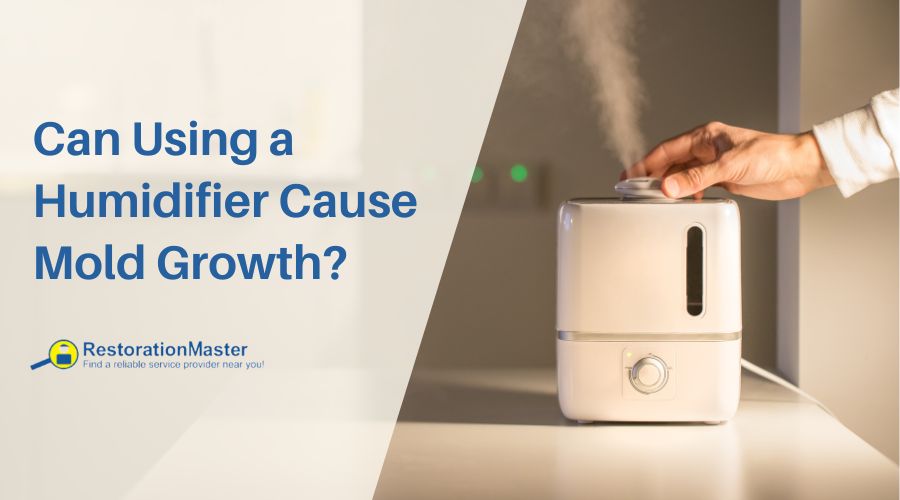
Why humidifiers grow mold
Mold loves water, warmth, and time. A humidifier offers all three. If water sits still, minerals and dust feed microbes. Once biofilm forms, mold follows fast.
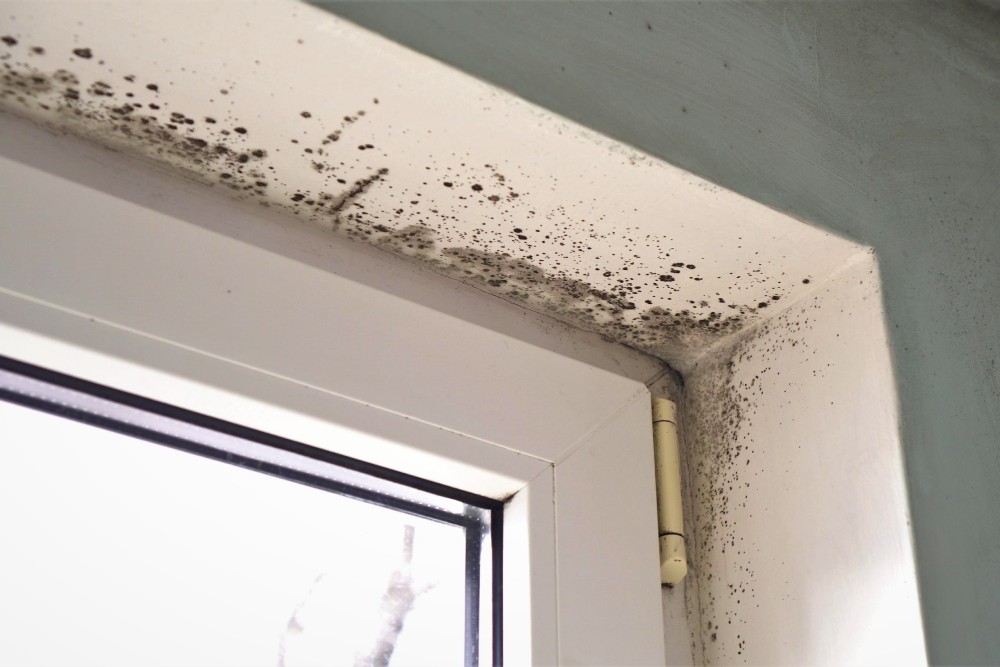
Indoor humidity also matters. When levels creep above 50 to 60 percent, mold thrives on walls and inside tanks. Most public health guidance suggests a target of 30 to 50 percent. That range helps your skin and sinuses, and it helps with how to avoid mold in humidifier.
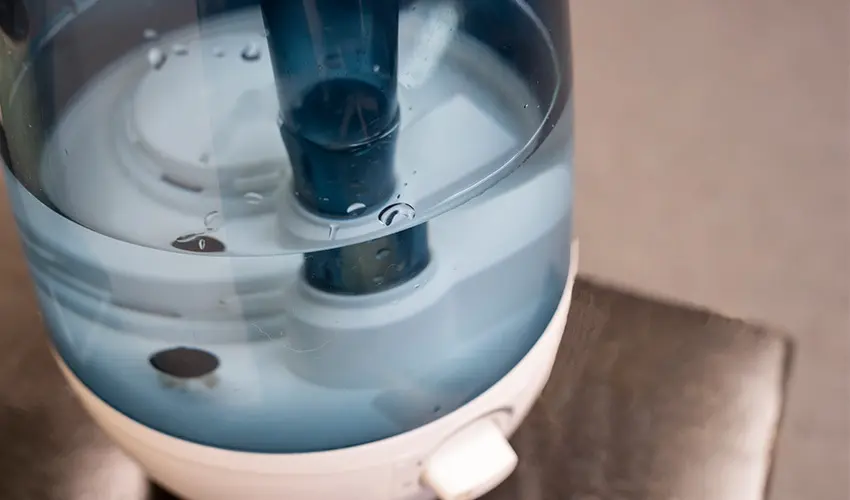
Daily habits that stop mold before it starts
Little habits beat deep scrubs. These take minutes and block mold growth.
- Empty the tank every night and let it air-dry. Standing water is mold’s best friend.
- Refill with fresh distilled water each use. It cuts minerals and white dust.
- Wipe the base and mist outlet with a clean cloth. Remove droplets and slimy film.
- Run the unit only when needed. Use a timer so it does not stay damp all day.
- Keep the area around the unit dry. If your table is wet, lower output or move it.
These daily moves are the backbone of how to avoid mold in humidifier. They break the moisture cycle that mold needs.
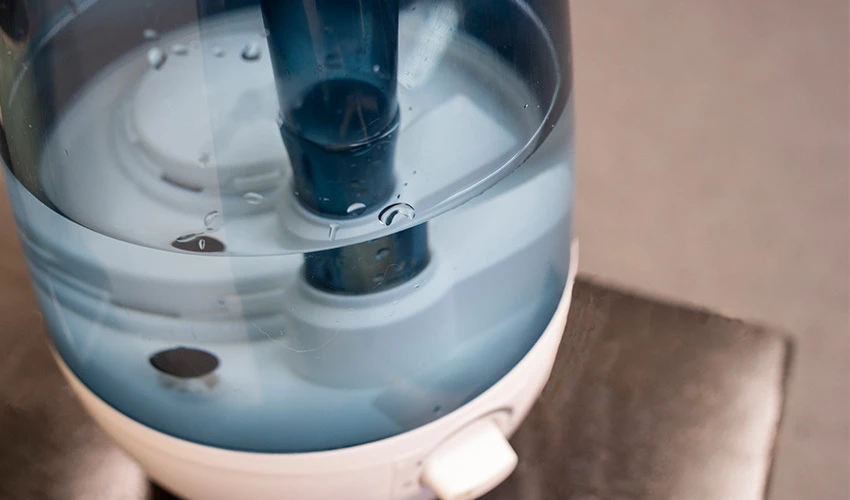
Weekly deep-clean routine that works
A solid weekly clean keeps biofilm away. Here is a safe, proven routine I use with clients.
- Unplug and disassemble. Remove the tank, base pieces, and any filter or disk.
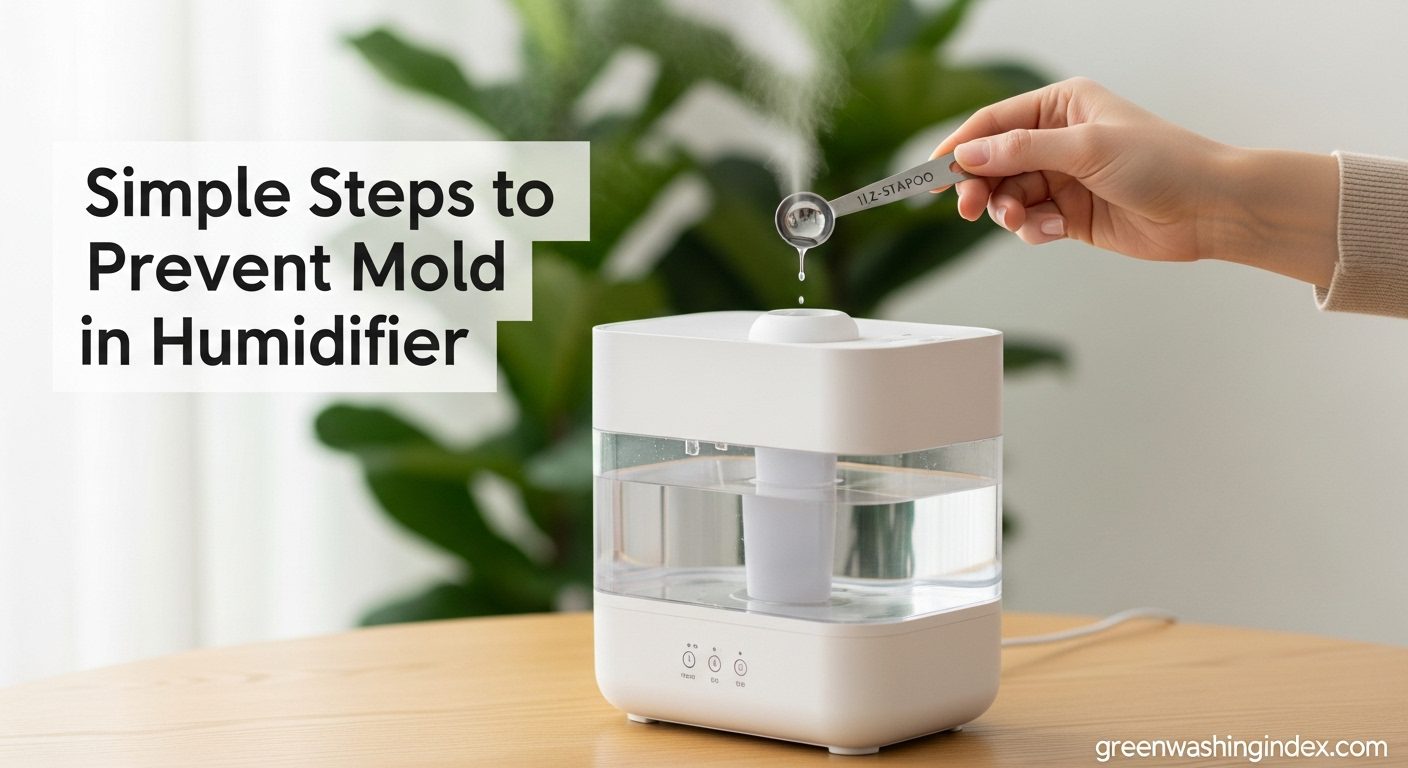
- Descale with vinegar. Fill the tank with warm water and add 1 cup white vinegar per gallon. For small parts, soak in a 1:1 vinegar and water mix for 20 to 30 minutes.
- Scrub gently. Use a soft brush or bottle brush to reach seams and corners.
- Disinfect. Use one of these, not both:
- 1 teaspoon of unscented household bleach (5 to 6 percent) per quart of water. Let sit 20 minutes.
- Or 3 percent hydrogen peroxide, enough to wet all surfaces. Let sit 20 minutes.
- Rinse very well. Rinse until the smell is gone. Residue can irritate lungs.
- Dry fully. Air-dry parts before you reassemble. Moisture left inside invites mold.
- Filters and wicks. Rinse per the manual. Do not bleach paper wicks. Replace them on schedule.
- Ultrasonic disks and warm-mist heaters. Wipe with vinegar, then rinse. Avoid abrasive tools.
Never mix vinegar and bleach. Keep kids and pets away while you clean. This is the most reliable path for how to avoid mold in humidifier.
Water choice, additives, and what not to use
Water type matters. It sets the stage for clean mist.
- Distilled water is best. It reduces minerals, white dust, and biofilm food.
- If you must use tap water, use a demineralization cartridge. Replace it often.
- Skip essential oils unless the manual allows them. Oils trap residue and feed film.
- Avoid mystery “mold inhibitors.” Many add scent, not safety. Follow the manual.
- A small splash of vinegar in the tank is not advised during use. It can corrode parts and irritate lungs. Use vinegar only for cleaning, then rinse.
Good water habits are a big part of how to avoid mold in humidifier day after day.
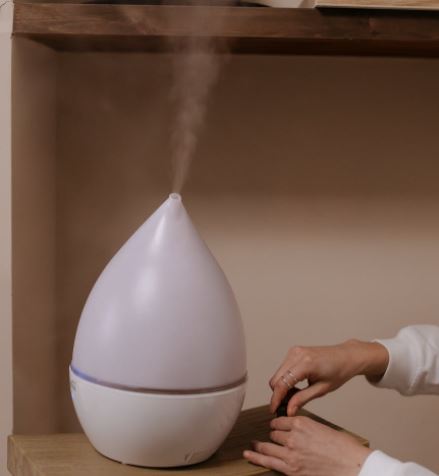
Placement, ventilation, and humidity control
Where and how you run the unit affects mold risk.
- Use a hygrometer. Aim for 30 to 50 percent RH. Over 50 percent raises mold risk.
- Place on a clean, hard surface. Keep 12 inches from walls and curtains.
- Point mist into open space. Do not aim at windows or soft fabrics.
- Vent the room. Crack a door or run a fan on low to prevent damp zones.
- Use a smart plug or built-in humidistat. Avoid nonstop operation.
These tweaks make a big impact on how to avoid mold in humidifier, and they also protect your walls and furniture.
Signs your humidifier has mold or biofilm
Catch problems early. It saves time and keeps air clean.
- Musty or dirty smell from the unit or the room
- Slick or slimy surfaces inside the base or tank
- Black, green, or pink spots on parts or gaskets
- More cough, sneeze, or itchy eyes after running the unit
If you see these signs, stop use, clean with the steps above, and replace filters. Fast action is key for how to avoid mold in humidifier long term.
Model-specific tips that make cleaning easier
Different designs need different care. Use the manual plus these field-tested notes.
- Ultrasonic cool-mist
- Most prone to white dust and film. Distilled water helps a lot.
- Clean the transducer disk weekly. Mineral crust blocks performance.
- Evaporative with wick
- Wick filters trap minerals and microbes. Replace on schedule. Do not bleach paper wicks.
- Keep the fan grill dust-free to reduce spores.
- Warm-mist or steam
- Heat lowers live germs in the mist. Scale still builds up fast.
- Descale the heating chamber with vinegar weekly to keep it safe.
Knowing your model speeds up how to avoid mold in humidifier without extra work.
Simple maintenance checklist and schedule
Keep this checklist handy. It turns care into a quick habit.
Daily
- Empty tank and base after use.
- Refill with fresh distilled water.
- Wipe any wet surfaces nearby.
Weekly
- Descale with vinegar. Scrub and rinse.
- Disinfect with bleach or peroxide. Rinse and dry.
- Clean fan grills, mist outlets, and lids.
Monthly
- Replace wicks, cartridges, and gaskets as the manual states.
- Inspect power cord and seals.
- Deep clean tight seams with a small brush.
Seasonal
- Before storage, clean, disinfect, rinse, and dry fully.
- Store dry with the tank cap off.
This simple plan is the easiest way for how to avoid mold in humidifier across the whole year.

Safety and health notes you should not skip
Your air matters. A few safeguards go a long way.
- Do not run with scented cleaners in the tank. Only water goes in during use.
- Rinse well after bleach or peroxide. Leftover fumes can irritate lungs.
- If you are immunocompromised, be strict with cleaning, and consider warm-mist units or professional advice.
- Replace cracked tanks, worn seals, and mold-stained parts. Plastic can hold spores.
- Track humidity with a reliable meter. More than 50 to 60 percent invites home mold.
These steps tie right back to how to avoid mold in humidifier while keeping your home safe.
Frequently Asked Questions of how to avoid mold in humidifier
How often should I clean my humidifier to prevent mold?
Do a quick daily empty and dry, plus a weekly deep clean. If you notice a musty smell or slime, clean right away.
Is distilled water really necessary?
It is strongly recommended. Distilled water cuts minerals and lowers biofilm, which helps prevent mold growth.
Can I add essential oils to stop mold?
No, not for mold control. Oils can damage parts and create residue that traps microbes unless your unit is made for oils.
What should I use to disinfect the tank safely?
Use a mild bleach solution or 3 percent hydrogen peroxide, never both together. Rinse very well before use.
How do I know if humidity is too high?
Use a hygrometer and aim for 30 to 50 percent. If windows fog or the room feels damp, lower the setting or take a break.
When should I replace the wick or filter?
Follow the manual, often every 1 to 3 months. If it smells, looks stained, or airflow drops, replace sooner.
Can mold in a humidifier make me sick?
Yes, it can trigger allergies and asthma symptoms. Sensitive people may feel worse, so keep a strict cleaning routine.
Conclusion
You can keep your air moist and your unit clean with a few steady habits. Empty daily, use distilled water, deep clean weekly, and track humidity. That is the proven core of how to avoid mold in humidifier and protect your home and health.
Start with one change today, like adding a weekly timer reminder or buying a hygrometer. If this guide helped, subscribe for more simple home health tips or leave a comment with your cleaning wins and questions.

Table of Contents