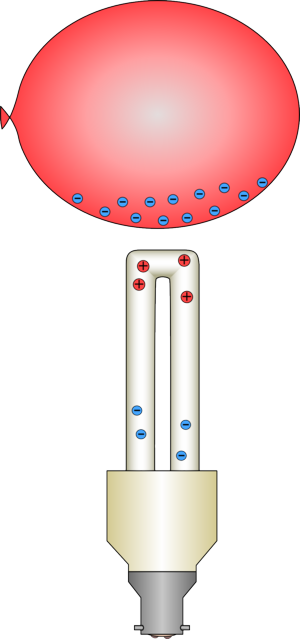
Rub a balloon and bring a fluorescent bulb close; it will glow briefly.
If you’ve ever wondered how to turn on a light bulb with static electricity, you’re in the right place. I’ve taught this demo for years in classrooms and maker spaces. You’ll learn the exact science, the safest methods, and real steps that work. By the end, you’ll know how to turn on a light bulb with static electricity in simple, repeatable ways anyone can try at home or in a workshop.
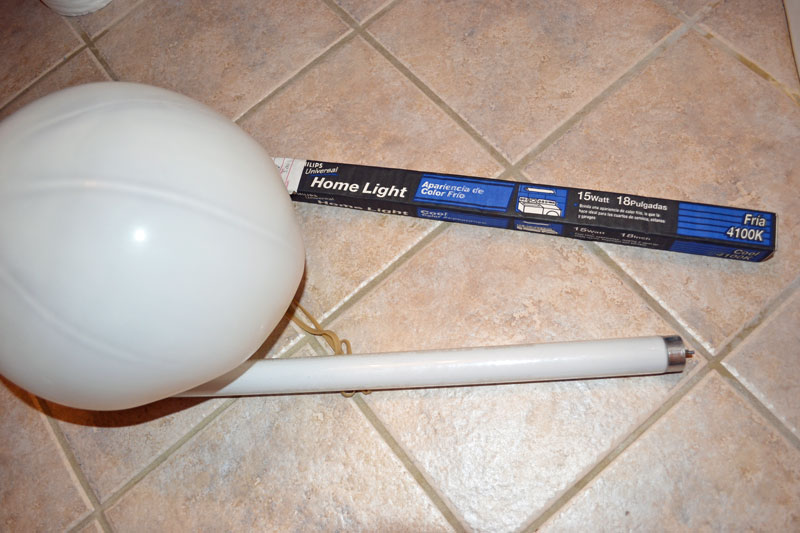
How static electricity lights a bulb
Static electricity is charge that builds up on a surface. When that charge moves, it can jump through the air. That jump is a tiny lightning bolt. It can excite gas in a tube or nudge current through parts of a bulb.
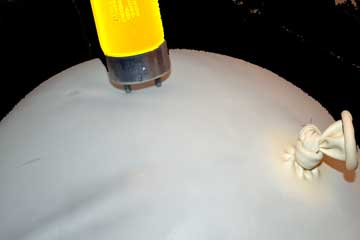
Here is the key idea. You do not need steady current to see light. A short, high-voltage pulse can make certain bulbs glow for a moment. That is why a rubbed balloon near a fluorescent tube can light it up in the dark.
In simple words, the field from static charge pushes electrons. Gas inside a fluorescent lamp, or neon in a small lamp, can glow when those electrons rush. This is the most reliable path for how to turn on a light bulb with static electricity.

Safety first
These demos use high voltage, but very low energy. That is why they can be safe when done right. Still, treat static like a tool, not a toy.
Follow these rules before you try how to turn on a light bulb with static electricity:
- Work in a dry room, away from flammable vapors.
- Keep away from mains power. Do not open fixtures or sockets.
- Use intact bulbs. Do not use cracked tubes or chipped glass.
- Keep hair, jewelry, and metal items away from sparks.
- Supervise kids. Use eye protection for high-voltage devices.
What you can and cannot light
Not all bulbs react the same to static. Some are easy. Some will not light at all.
- Fluorescent tubes and CFLs can glow from a static field or a small spark. This is the easiest way for how to turn on a light bulb with static electricity.
- Neon indicator bulbs can flash from a static pulse.
- LEDs can flash if you use a piezo igniter or a strong field. A plain balloon is often too weak.
- Incandescent bulbs need lots of current. Static cannot power the filament. They will not light from static in normal demos.

Method 1: Balloon and fluorescent tube
This is the simplest, no-tools method. It is my go-to demo for schools. It shows how to turn on a light bulb with static electricity with common items.
What you need:
- One long fluorescent tube or a compact fluorescent bulb.
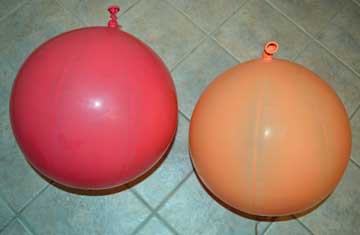
- One latex balloon.
- A wool sweater or dry hair.
- A dark room.
Steps:
- Inflate the balloon and tie it off.
- Turn off the lights so the room is quite dark.
- Rub the balloon on wool or dry hair for 10–20 seconds to build charge.
- Hold the fluorescent tube by its base. Keep your fingers away from the glass ends.
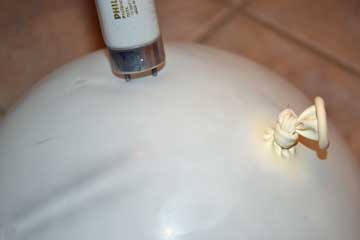
- Move the charged balloon along the glass. Do not press hard. Watch for a faint glow or bands of light.
- Repeat the rub and pass. Try both sides and different spots along the tube.
Tips from experience:
- Dry air helps. Run a dehumidifier if the glow is weak.
- A used tube may glow better than a brand-new one.
- Move slow and steady. Fast sweeps reduce contact time.
Method 2: Van de Graaff or plasma ball with a fluorescent bulb
If you have access to a Van de Graaff generator or a plasma ball, you can make a clearer, brighter effect. This method is reliable for how to turn on a light bulb with static electricity in a classroom.
What you need:
- A Van de Graaff generator or a good plasma ball.
- A fluorescent tube or CFL.
- A dark room.
Steps:
- Turn on the device. Let it build charge.
- Hold the tube by the plastic base only.
- Bring the tube near the dome or the glass of the plasma ball.
- The tube will glow along its length near the field.
Pro notes:
- Keep fingers on the base. Your touch can drain the field.
- Do not connect the tube to the device. Let it couple through the air.
- Use short demos to avoid warming the tube.

Method 3: Piezo igniter with LED or neon bulb
A piezo igniter makes a sharp, high-voltage pulse. It is safe and cheap. You can harvest one from a grill lighter. This is a neat way if you ask how to turn on a light bulb with static electricity but want to use an LED.
What you need:
- A piezo igniter.
- One LED or a small neon lamp with resistor.
- Hookup leads or alligator clips.
Steps for LED:
- Connect the LED to the igniter output through a 1 megaohm resistor.
- Observe polarity. If it does not flash, reverse the LED.
- Press the igniter. The LED should blink with each click.
Steps for neon bulb:
- Put a 100 kiloohm resistor in series for safety.
- Press the igniter. The neon should flash on each pulse.
Helpful advice:
- Do not hold the bare leads when you click.
- Keep connections short. The pulse is sharp and needs a tight path.
This setup is a robust example of how to turn on a light bulb with static electricity using a controlled pulse.
Troubleshooting and pro tips
If nothing lights, do not worry. Static is finicky. A few tweaks fix most issues.
- Raise the voltage. Rub longer or use wool on the balloon.
- Dry the air. Humidity kills static. Aim for under 40% relative humidity.
- Dim the room more. The glow is faint. Let your eyes adapt for 30 seconds.
- Try a different bulb. Old fluorescent tubes and neon indicators respond well.
- Adjust distance. Too close bleeds charge. Too far reduces the field.
- Ground yourself. Touch a metal object to reset your charge before a new pass.
These steps are the backbone of how to turn on a light bulb with static electricity in real life, not just on paper.
Real-world uses, limits, and myths
Static can excite gas and make brief light. It cannot power a home lamp. The energy is too small. That is the biggest limit for how to turn on a light bulb with static electricity.
Where it does matter:
- ESD testing and protection. The same pulses that flash a neon can harm chips.
- Museum demos and outreach. Spectators love the eerie tube glow.
- Leak checks in plasma tubes. Faint light can show gas behavior.
Common myths to avoid:
- Static cannot run an incandescent bulb. The filament needs steady current.
- Rubbing two sticks of PVC will not power a room. You get voltage, not watts.
- Scotch tape can glow when peeled, but it is not a safe light source.
When I first taught this, I overestimated how bright the tube would be. The fix was simple. I turned off every light, waited for my eyes to adapt, and slowed my hand. The glow was clear, and the class loved it. That hands-on insight is vital when teaching how to turn on a light bulb with static electricity.
Frequently Asked Questions of how to turn on a light bulb with static electricity
Can I use static to light an LED without a piezo?
You can, but it is hard. A balloon field is weak for LEDs, so use a piezo igniter for a reliable flash.
Why does humidity make the glow weaker?
Water in the air leaks charge away. Dry air lets charge build and jump, which boosts the glow.
Is it safe to touch the fluorescent tube while it glows?
Yes, when using only static fields or a plasma ball at a distance. Do not connect the tube to any live circuit.
Can I use a CFL instead of a long tube?
Yes, a CFL can glow near a strong static field. Hold the plastic base and keep it near the source in a dark room.
Why won’t my incandescent bulb light at all?
It needs steady current to heat the filament. Static gives short pulses with tiny energy, which is not enough to heat it.
Does rubbing different materials change the result?
Yes. Wool, silk, and some plastics transfer more charge. Try a few to see which works best in your space.
Will this damage my electronics?
It can if a spark hits them. Keep phones, laptops, and boards away while you test.
Conclusion
You have several safe, simple ways to see light from static charge. A balloon near a fluorescent tube, a plasma ball with a CFL, or a piezo igniter with an LED all work well. Each shows a different path for how to turn on a light bulb with static electricity and why it works.
Pick one method and try it tonight in a dark room. Share your results, tune the steps, and pass the demo on to a friend or a class. Want more physics how-tos? Subscribe, explore related guides, or leave a question and I’ll help you troubleshoot.

Table of Contents