LED light bulbs cut lighting energy use by about 75% to 90%.
If you want a simple, money-saving upgrade that works on day one, this is it. In this guide, I break down how much energy do led light bulbs save in real homes, with clear math, real prices, and easy tips. I’ve audited homes, tracked kWh with smart plugs, and tested bulbs side by side. You’ll learn exactly what to expect, where the biggest savings hide, and how to pick the right LEDs for lasting, low-cost light.

How much energy do led light bulbs save: the short math
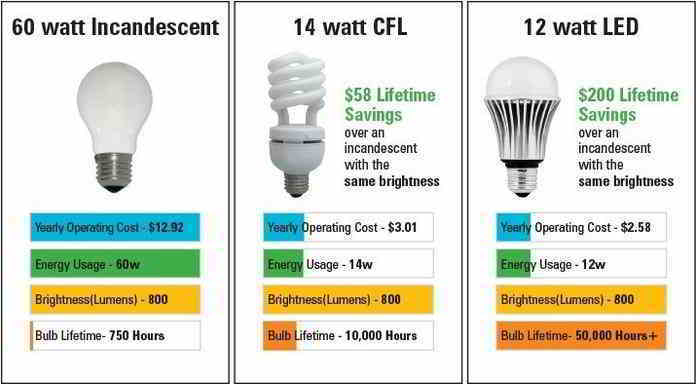
If you are asking how much energy do led light bulbs save, the answer is big. A typical 60W incandescent puts out about 800 lumens. A good LED makes the same light with only 8W to 10W. That is an 80% to 87% cut.
Here is a quick, real-world example for one bulb:
- Old bulb: 60W x 3 hours per day = 0.18 kWh per day
- LED bulb: 9W x 3 hours per day = 0.027 kWh per day
- Daily savings: 0.153 kWh; yearly savings: about 56 kWh
- At 15 cents per kWh, you save about 8 to 10 dollars per year, per bulb
How much energy do led light bulbs save across a home? Replace 20 bulbs and you can save roughly 1,100 kWh over a year if those lights run a few hours a day. That can be $150 to $200 per year at average rates.
Why LEDs use less energy than incandescents and CFLs
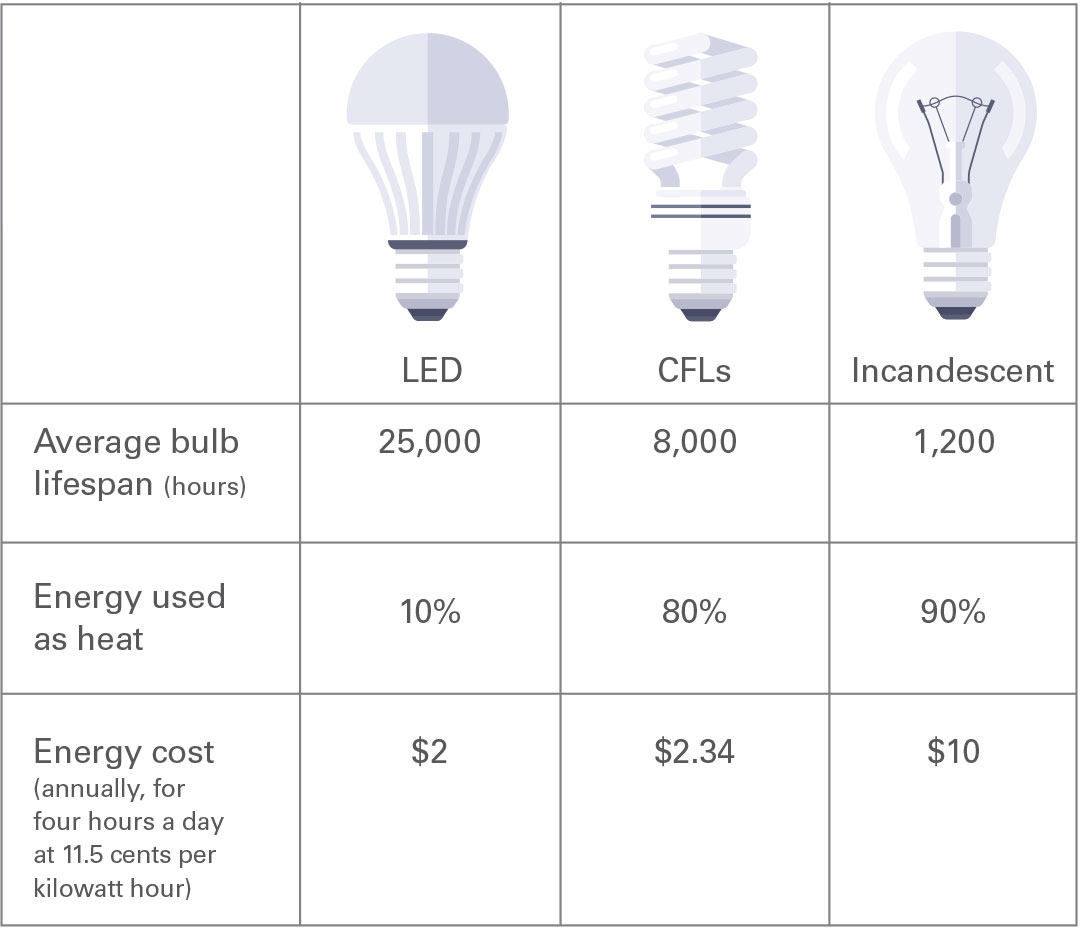
Incandescent bulbs turn most energy into heat. Very little becomes light. LEDs are the opposite. They push more power into light and less into heat, so they need far fewer watts.
From federal lab tests and industry data:
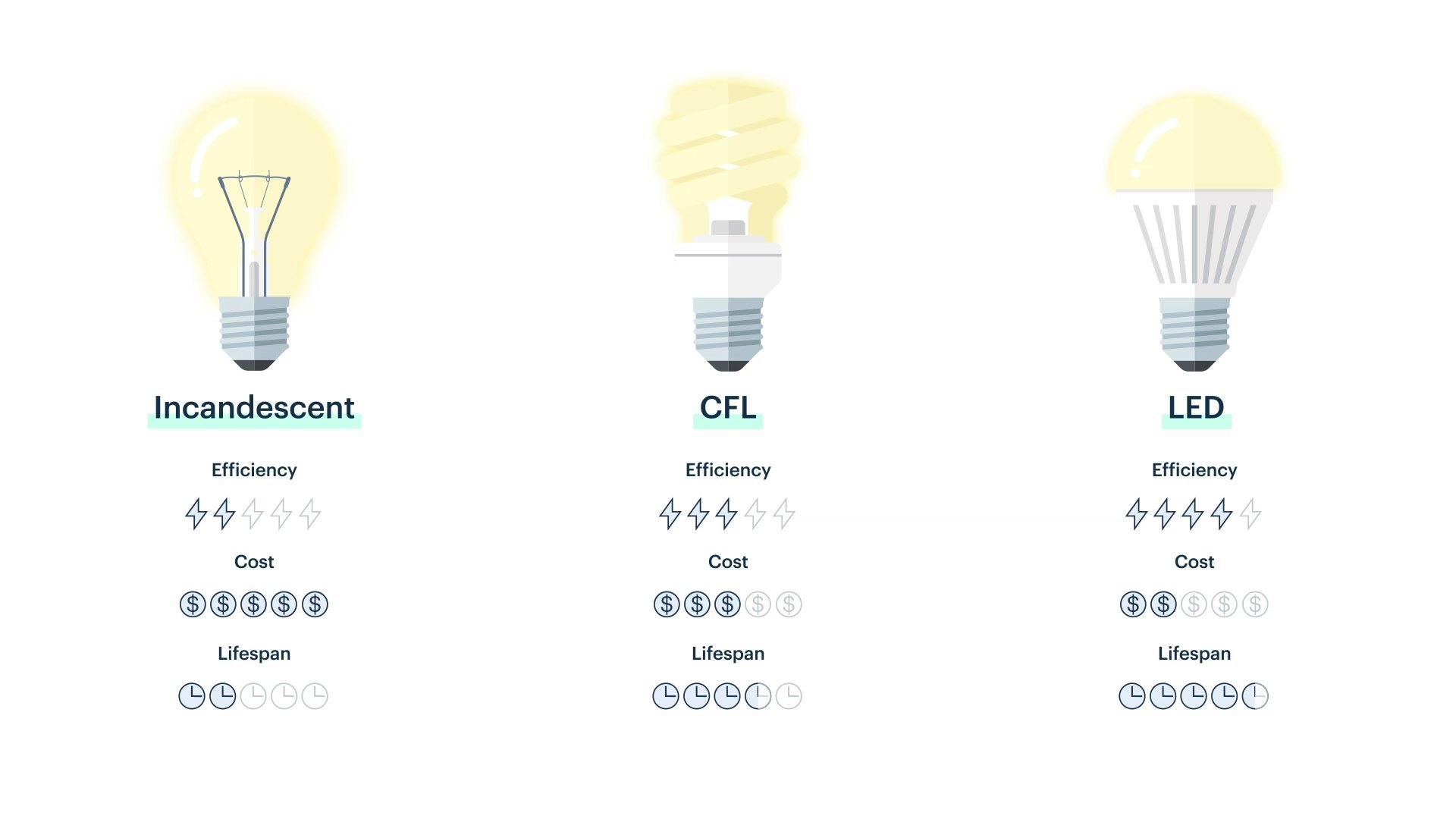
- LEDs use at least 75% less energy than incandescents, often closer to 85% to 90%
- LEDs last 15 to 25 times longer than incandescents
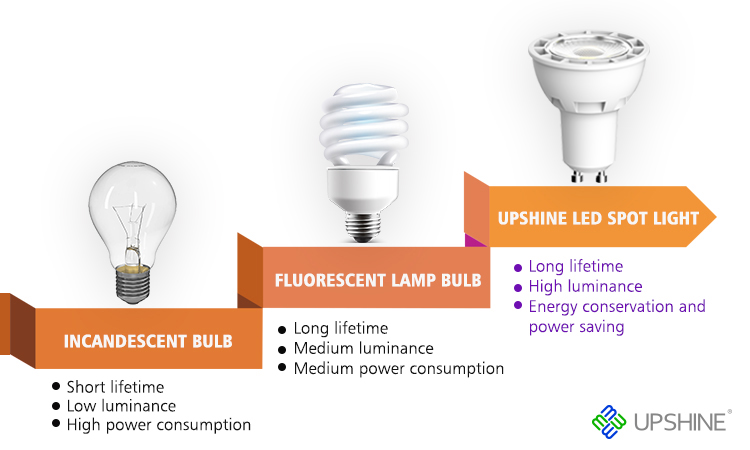
- LEDs beat CFLs too, using about 30% to 40% less energy than CFLs for the same light
This is the core of how much energy do led light bulbs save. Better efficiency yields instant, compounding gains.
Real-home savings you can expect
I once swapped 32 bulbs in a 1970s ranch home. Most were 60W incandescents. We installed 9W LEDs. The owner used the main rooms 4 hours per day and halls 2 hours. The first month’s bill fell by about 20%, even before we touched HVAC.
Try this to estimate your home:
- Count bulbs you use most: kitchen, living room, exterior, baths
- Note wattages: 40W, 60W, 75W, 100W
- Assume 3 hours per day average use per bulb
- New LED wattage is usually 1/6 to 1/8 of the old bulb
If you ask how much energy do led light bulbs save in a small apartment, plan on 300 to 600 kWh per year saved if you swap 10 to 15 bulbs used daily. For a large home, it can be over 1,000 kWh per year.
Total cost of ownership and payback
LEDs cost more than old bulbs up front. But they pay for themselves fast. Think in months, not years.
Quick payback math:
- Bulb price: $2 to $5 each
- Annual energy savings per bulb: $8 to $15 at common rates
- Payback time: about 2 to 6 months
Over 10 years, one LED might save $60 to $120 in energy. It also avoids buying many replacement bulbs. This is why how much energy do led light bulbs save is not only an energy question. It is a total cost win.
.jpg)
Environmental impact and the hidden heat effect
Less energy means less carbon. A rough U.S. grid average is about 0.9 pounds of CO2 per kWh. Your grid may be cleaner or dirtier. Your savings still add up.
LEDs also cut heat from lights. Incandescents act like tiny space heaters. In summer, your AC has to remove that heat. LEDs ease that load. This can add 3% to 5% extra cooling savings in warm climates. In cold months, you may see a small offset, since that lost light heat would have warmed the room. But heating with light is pricey and uneven. Efficient heating still beats hot bulbs.
This angle makes how much energy do led light bulbs save even bigger in hot regions.
How to choose the right LED for maximum savings
Pick by lumens, not watts. Watts show energy use. Lumens show brightness. For a 60W replacement, look for about 800 lumens.
What to look for:
- Lumens: 450 for 40W replacement, 800 for 60W, 1,100 for 75W, 1,600 for 100W
- Color temperature: 2700K for warm, 3000K neutral warm, 4000K cool white
- Dimmable: needed if you have dimmers
- CRI 90+: better color accuracy
- ENERGY STAR label: reliable performance and long life
These choices raise the ceiling on how much energy do led light bulbs save without hurting comfort.
Common myths and mistakes to avoid
I hear these a lot in audits. They can stall your savings.
- LEDs are too harsh. Not true if you pick 2700K or 3000K and CRI 90 or higher.
- LEDs do not work with dimmers. Many do. You need dimmable bulbs and modern dimmers.
- LEDs do not last. Cheap ones can fail. Pick proven brands and look for a solid warranty.
- Switching all at once is hard. Start with high-use areas. You still win big.
When you test your own rooms, you confirm how much energy do led light bulbs save for your routine.
Simple steps to switch without hassle
Use this quick plan. It keeps time and cost low.
- Walk your home at night and note which lights are on longest
- Replace those first with LED multipacks to save more per dollar
- Match lumens and color to the old feel so the change is easy
- Keep spare LEDs for porch, kitchen, living room, and baths
- Recycle old bulbs safely; handle CFLs with care if they break
This simple plan answers how much energy do led light bulbs save with action, not guesswork.
Frequently Asked Questions of how much energy do led light bulbs save
How much do LEDs save versus a 60W incandescent?
About 80% to 87%. A 9W LED gives the same light as a 60W incandescent and saves about 56 kWh per year at 3 hours per day.
Do LEDs save more than CFLs?
Yes. LEDs use about 30% to 40% less energy than CFLs for the same light and turn on at full brightness right away.
How long do LED light bulbs last?
Many last 15,000 to 25,000 hours. That is 10 to 20 years at a few hours per day, depending on heat and switching.
Will LEDs lower my AC bill?
Yes, a bit. LEDs make far less heat than incandescents, which eases your cooling load in summer.
Are all LED bulbs dimmable?
No. Look for dimmable on the box and pair with LED-ready dimmers for smooth performance.
What watt LED equals a 100W incandescent?
About 14W to 17W, which should be near 1,600 lumens. Always check lumens first.
Do LEDs contain mercury?
No. CFLs do. LEDs do not use mercury and are safer to handle and recycle.
Conclusion
LEDs cut lighting energy by 75% to 90%, pay back in months, and last for years. The math is simple, the comfort is high, and the savings scale fast as you swap high-use bulbs first. If you still wonder how much energy do led light bulbs save in your home, start with five bulbs tonight and watch your next bill.
Ready to save? Make a short list of target rooms, pick 800-lumen warm LEDs, and get it done this week. Want more tips like this? Subscribe, share your results, or drop a question in the comments.

Table of Contents