Take mercury bulbs to a recycling or hazardous waste drop-off site.
You are here because you want clear, safe steps on how to dispose of light bulbs with mercury. I work with home and facility waste programs, and I’ve helped many people handle this the right way. In this guide, I’ll show you how to dispose of light bulbs with mercury without risk, confusion, or guesswork. You’ll get simple steps, real tips, and expert-backed advice you can trust.

Why some light bulbs contain mercury, and which ones do
Some bulbs need a small amount of mercury to work. That includes many fluorescent lamps. The amount is tiny, but it still needs care.
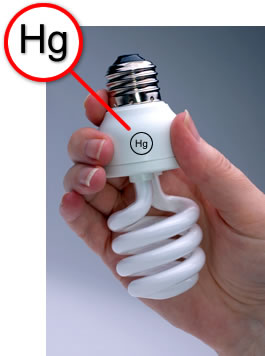
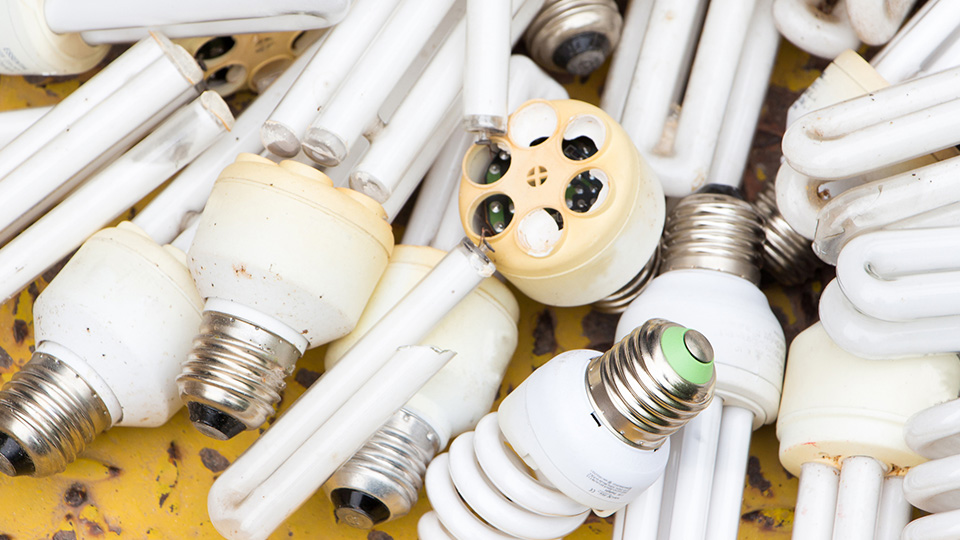
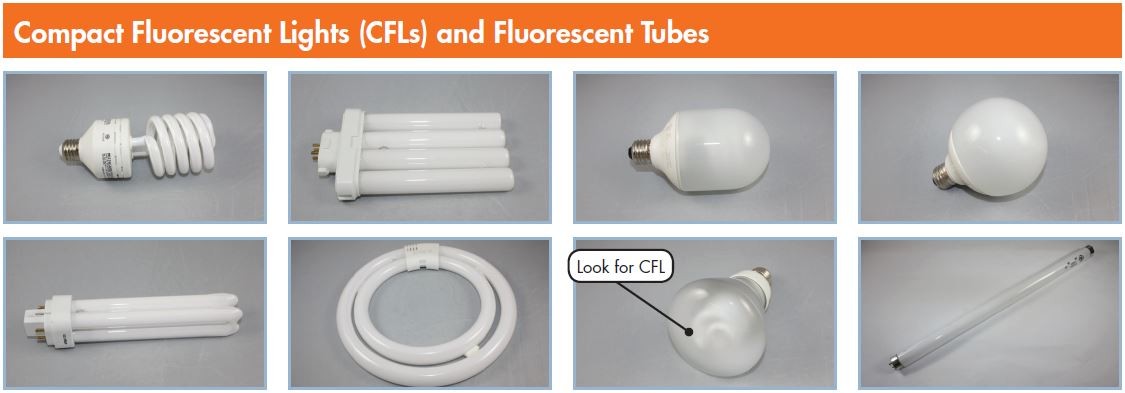
You will find mercury in compact fluorescent lamps, called CFLs. Long fluorescent tubes, UV lamps, and some high-intensity discharge lamps also have it. Standard LEDs and halogen bulbs do not.
Knowing this helps you plan how to dispose of light bulbs with mercury. It also keeps your home and trash stream safe.

Quick checklist before you go
Before you deal with how to dispose of light bulbs with mercury, prep them. Good prep stops breaks and spills. It also makes drop-off fast.
- Keep bulbs intact. Do not crush them.
- Put each bulb in its box, sleeve, or wrap in soft paper.
- Place wrapped bulbs in a sturdy box or a tube protector.
- Keep the box upright and label it lamps.
- Store away from kids, pets, and heat.
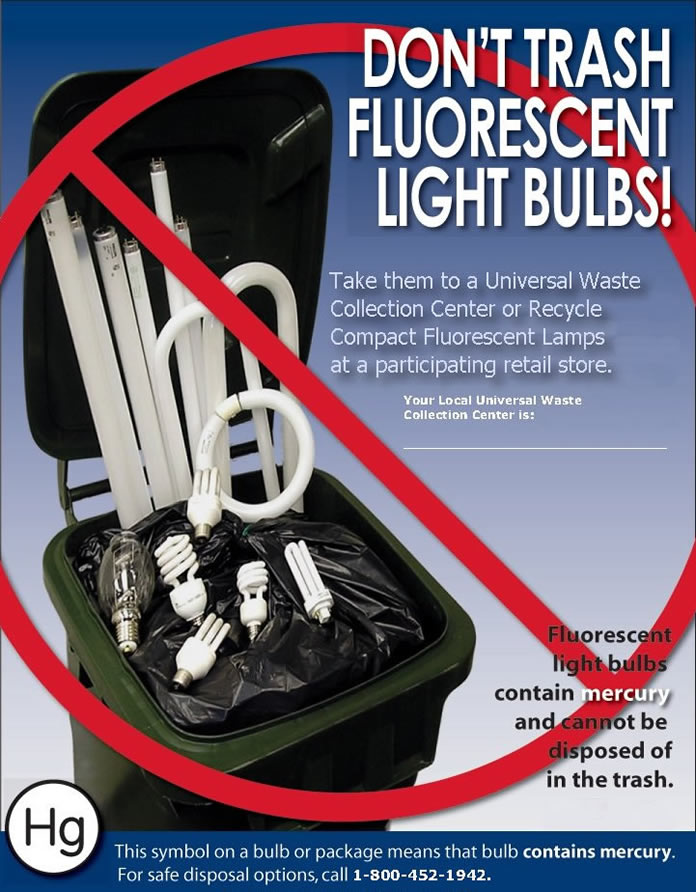
Step-by-step: how to dispose of light bulbs with mercury
Here is the safe process I use in homes and small sites. It is quick and simple.
- Find a local recycling or hazardous waste drop-off. Check your city site or solid waste office.
- Ask if they take CFLs, tubes, and HID lamps. Policies vary by town.
- For small loads, ask local hardware stores about take-back. Many accept CFLs at no cost.
- For larger loads, order a mail-back kit from a lamp recycler. The box and label come ready to use.
- Transport bulbs in a hard box. Avoid car trunks on hot days.
- Hand them to staff. Do not leave bulbs outside a bin or door.
This is the core of how to dispose of light bulbs with mercury in a safe way. It keeps mercury out of landfills and protects air and water.
What to do if a mercury bulb breaks
Stay calm. A broken CFL or tube is messy, but you can handle it. Follow these steps.
- Vent the room for 10–15 minutes. Leave the area while it airs out.
- Turn off all fans or systems that may spread dust.
- Wear gloves if you have them. Avoid skin contact.
- Do not vacuum yet. First, scoop glass with stiff paper or cardboard.
- Use sticky tape to pick up small bits and powder.
- Wipe the area with damp paper towels or wet wipes.
- Seal all cleanup items in a glass jar with a metal lid or a sealed bag.
- Take the sealed jar or bag to a proper drop-off.
- Wash your hands well.
These steps are part of how to dispose of light bulbs with mercury when accidents happen. It prevents spreading the vapor and dust.
Where to take mercury-containing bulbs
You have several good options. Choose what fits your load size and location.
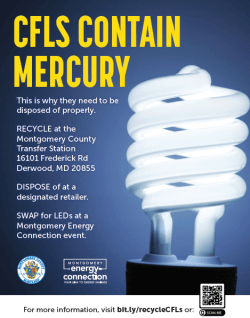
- City or county hazardous waste facilities. Many hold monthly or weekly events.
- Retail take-back for CFLs. Some hardware chains offer bins near the front.
- Community recycling centers that accept lamps. Check accepted items first.
- Mail-back programs. Best for remote areas or larger quantities.
- Electric utility events. Some offer seasonal collection days.
For how to dispose of light bulbs with mercury in your area, search “lamp recycling near me” plus your ZIP code. Also check your local solid waste agency page for rules and hours.
Rules and policies you should know
Rules differ by state and city. Some places ban mercury lamps in the trash. Others allow small amounts but still advise recycling.
Businesses often fall under universal waste rules. That means they must store, label, and ship lamps correctly. Households have more leeway, but recycling is still the right move. If you are unsure how to dispose of light bulbs with mercury under local law, call your waste authority and ask. Keep records if you manage lamps at work.
Common mistakes to avoid
I see the same errors again and again. They are easy to avoid.
- Tossing bulbs in regular trash or dumpsters.
- Crushing lamps to “save space.” This releases vapor and is unsafe.
- Vacuuming a fresh break. That spreads mercury dust.
- Taping fluorescent tube ends together. This can strain and crack the glass.
- Leaving bulbs in hot cars or in damp sheds.
Skip these mistakes, and you will master how to dispose of light bulbs with mercury the right way.
Costs, time, and eco impact
For most homes, disposal is low cost or free. Retail sites often take CFLs at no charge. Some centers charge a small fee for long tubes or large loads.
Recycling saves energy and materials. It keeps mercury out of landfills and the air. When you choose how to dispose of light bulbs with mercury through proper channels, you cut pollution and protect health.
My field notes and practical tips
I have hauled hundreds of lamps from homes and small offices. A few tips keep it smooth.
- Save the original packaging. It is the best safe sleeve.
- For tubes, use cardboard mailers or PVC pipe as a guard.
- Schedule drop-off days on your calendar, just like oil or battery runs.
- Keep a small “hazmat corner” in the garage with a bin for lamps.
- If staff or family help, post a one-page guide near the bin.
These simple habits make how to dispose of light bulbs with mercury routine, not a chore.
Frequently Asked Questions of how to dispose of light bulbs with mercury
How do I know if my bulb has mercury?
Check for CFL labels or “fluorescent” on the box. Linear tubes and CFLs almost always contain mercury, while LEDs do not.
Can I throw CFLs in the trash if my city allows it?
Some places allow it, but it is not advised. Recycling is safer and keeps mercury out of the environment.
What if a bulb breaks on the carpet?
Vent the room, pick up pieces with stiff paper, and use tape for tiny bits. Vacuum only after the area is cleaned and aired out.
Do LEDs contain mercury?
No, LEDs have no mercury. You can usually place them in regular trash, or better, recycle as e-waste when possible.
Where can I take old fluorescent tubes?
Use a hazardous waste site, a recycling center that accepts lamps, or a mail-back box. Call your local waste agency for exact drop-off rules.
Are there limits on how many bulbs I can bring?
Many sites allow a small number per visit from households. For large loads, call ahead or use a mail-back kit.
How should I store bulbs until disposal?
Keep them in their boxes or wrap them, then place them in a sturdy container. Store in a cool, dry place, away from kids and pets.
Conclusion
You now know how to dispose of light bulbs with mercury in a safe, simple way. Keep bulbs intact, prep them well, and use drop-off, retail take-back, or mail-back options. If one breaks, ventilate, clean with care, and seal the waste.
Make this part of your regular home routine. Set a reminder, gather your bulbs, and plan your next drop-off. Want more practical guides like this? Subscribe for updates or leave a comment with your local tips and wins.

Table of Contents