Rinse, scrub with soap, disinfect, deodorize, and dry to stop odors.
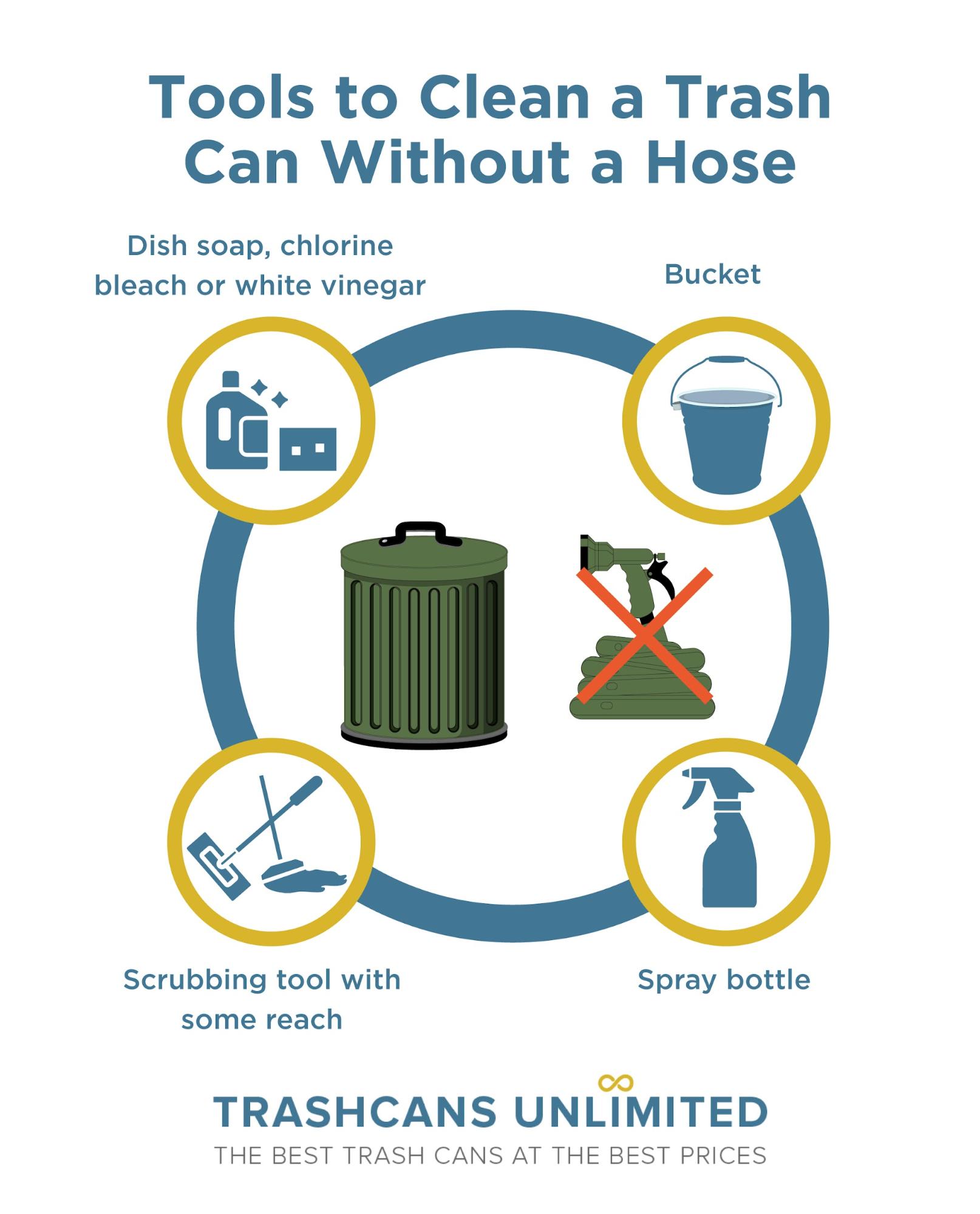
If you want to know how to clean trash can the right way, you’re in the perfect place. I’ve cleaned hundreds of grimy bins in homes, offices, and rentals, and I’ve learned what works fast and what never does. This guide gives you a proven process for how to clean trash can so it stays fresh, bug-free, and easy to maintain. Follow along, and you’ll have a cleaner home with less smell and hassle.
Why a clean trash can matters
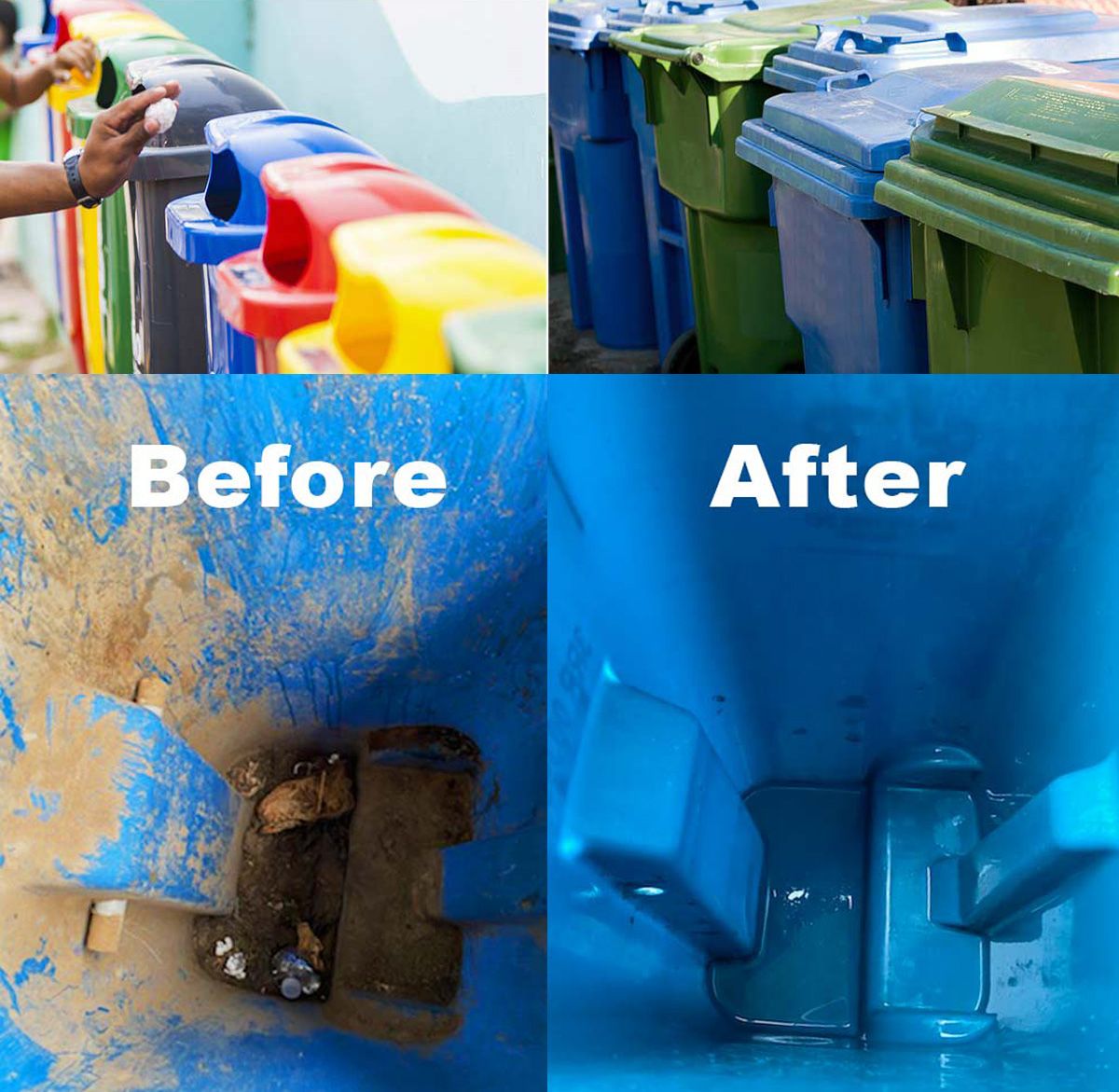
A dirty bin is more than a bad smell. It can hold bacteria, mold, and pest attractants. Moist, warm trash can spread odors and cause fruit flies, roaches, and even maggots.
Regular care cuts the risk. It also makes bag changes easier and keeps your kitchen or garage fresher. If you searched how to clean trash can because of smells or bugs, you’re not alone. A simple routine fixes it.
From experience, most smells come from liquid leaks and food residue. Dry bins rarely stink. Keep it dry, and you win half the battle.
What you need before you start
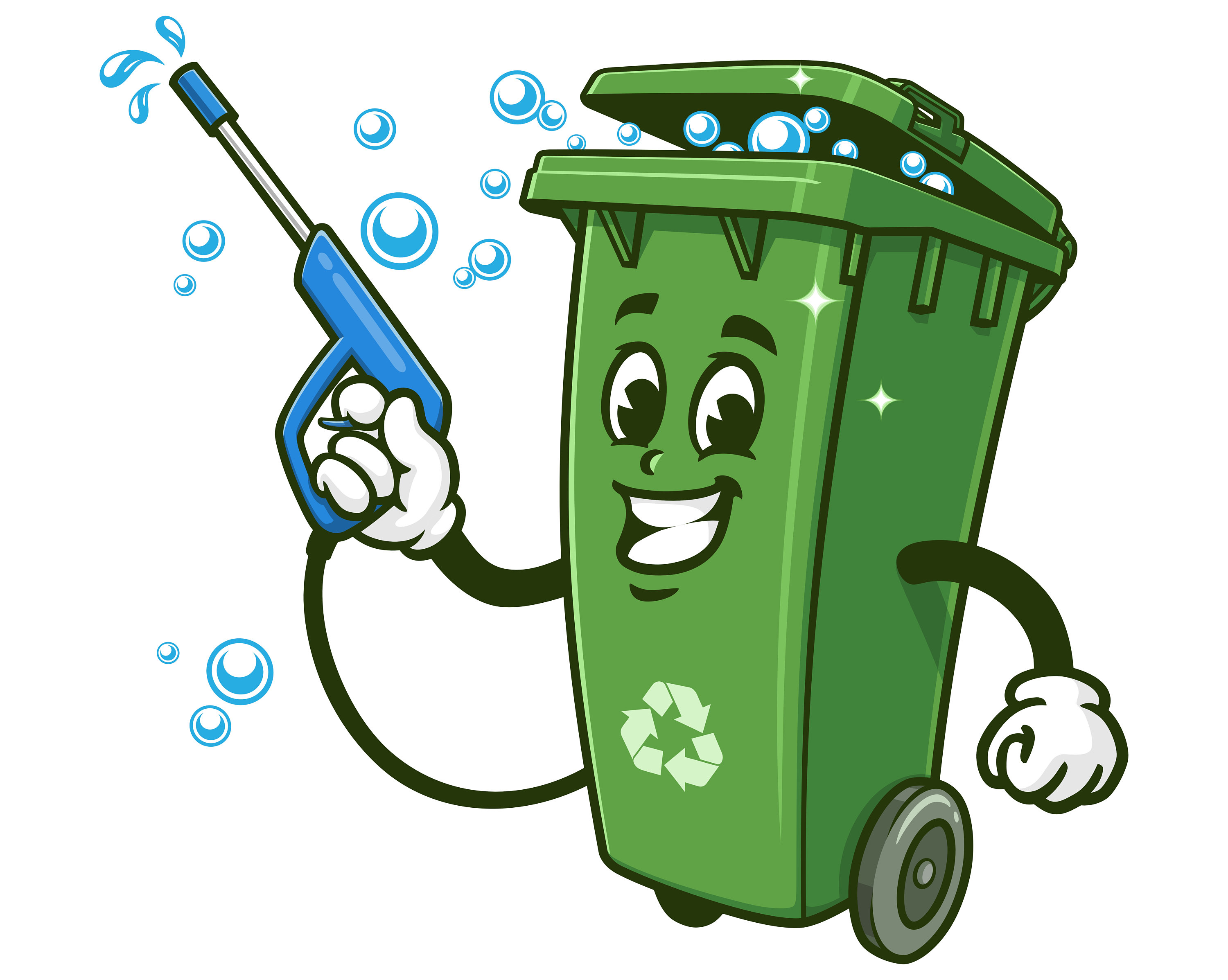
Gather these supplies so you can move fast and do it in one pass.
- Rubber gloves for skin safety.
- Dish soap to break down grease and food.
- Baking soda to absorb odors.
- White vinegar for mineral and odor control.
- Disinfectant spray or diluted bleach for germs.
- Scrub brush and an old sponge for stuck spots.
- Long bottle brush for corners and wheels.
- Trash bags and paper towels for wipe-downs.
- Hose or shower sprayer for a good rinse.
If you are learning how to clean trash can for the first time, set everything near the bin. Quick access keeps the job short.
Step-by-step: how to clean trash can fast
Use this simple flow for a deep yet quick clean.
- Empty the bin. Remove the bag, loose scraps, and any stuck labels.
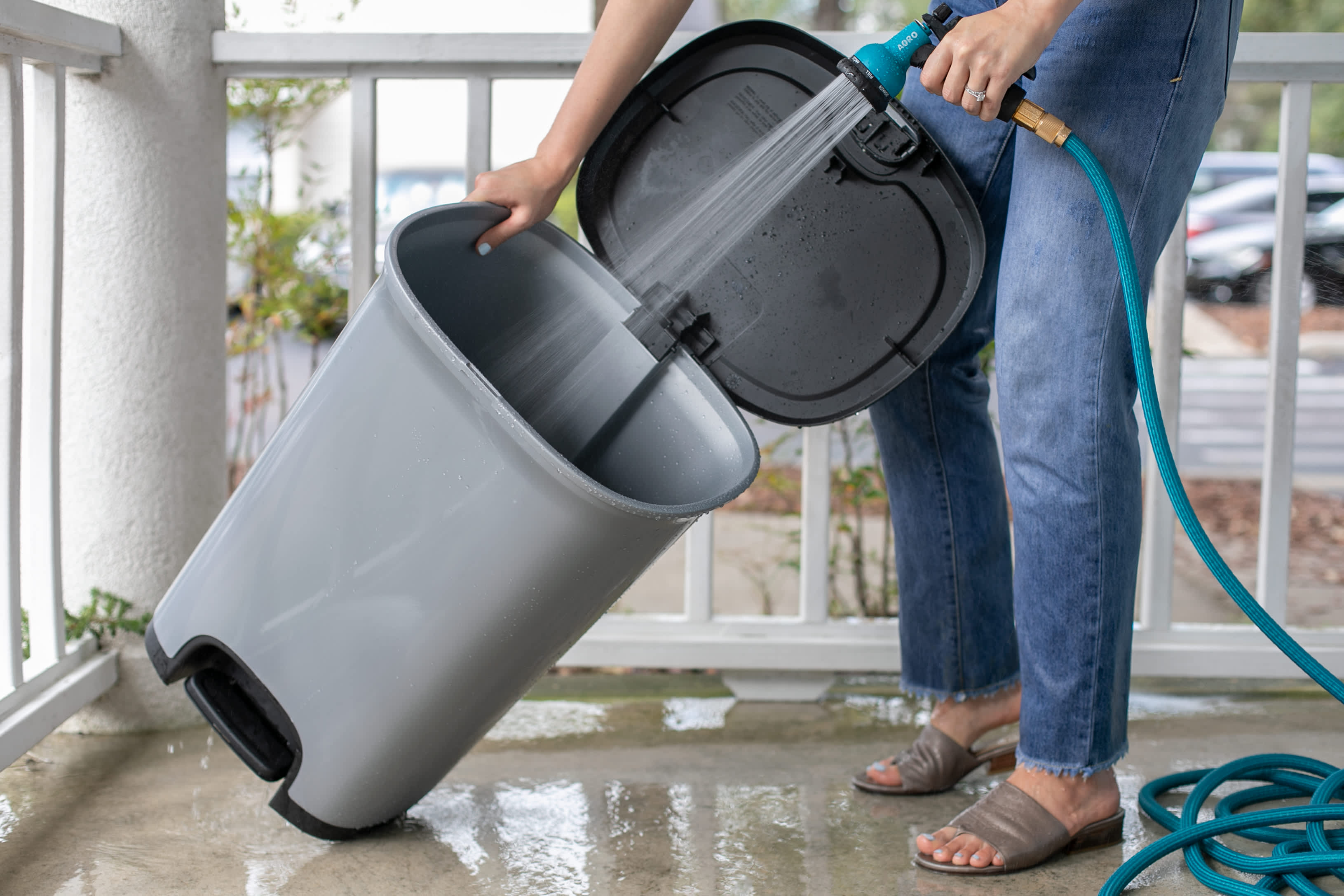
- Pre-rinse. Use a hose or shower sprayer. Hot water helps lift grease.
- Soap scrub. Add a few drops of dish soap and a cup of hot water. Scrub sides, bottom, lid, and handles. Hit the seams and wheels.
- Rinse well. Flush all soap and loosened grime.
- Disinfect. Spray a disinfectant, or use a bleach mix. Let it sit for 5 minutes.
- Deodorize. Sprinkle baking soda. Mist with vinegar. It will fizz and lift odors.
- Final rinse. Wash away residue so the bin is clean and safe.
- Dry fully. Air-dry upside down, or towel-dry to speed it up.
- Line the bin. Use a clean bag. Add a few tablespoons of baking soda under the bag for odor control.
This is the core of how to clean trash can. It works for most indoor and outdoor bins.

Deep clean methods that actually work
Sometimes a basic wash is not enough. Try these targeted fixes.
- Bleach for heavy germs. Mix 5 tablespoons bleach per gallon of water. Wear gloves. Vent the area. Never mix bleach with vinegar or ammonia.
- Enzyme cleaner for organic odors. Use on bins that held meat or diapers. Enzymes digest the source of the smell.
- Vinegar soak for mineral stains. Soak a cloth and press it on the area for 10 minutes. Scrub and rinse.
- Oxygen cleaner for grime. It foams and lifts gunk from textured plastic.
If you want how to clean trash can after a leak or pest event, go with enzymes first, then disinfect.

Prevent odors and pests before they start
Prevention turns a hard job into a quick rinse.
- Double-bag wet waste. Seal meat, fish, and dairy scraps in smaller bags.
- Drain food. Avoid pouring liquids into the bin.
- Use baking soda weekly. Sprinkle a thin layer in the bottom.
- Keep it dry. Wipe spills right away. Damp bins smell faster.
- Close the lid. Tight lids cut fruit fly and roach access.
- Rinse recyclables. Residue ferments and smells.
These habits make how to clean trash can a five-minute task, not a chore.
Indoor vs. outdoor bins
Different bins need different care.
- Indoor kitchen bins. Clean every 1 to 2 weeks. Focus on soap, quick disinfect, and full dry.
- Bathroom bins. Clean weekly. Disinfect due to tissues and hygiene items.
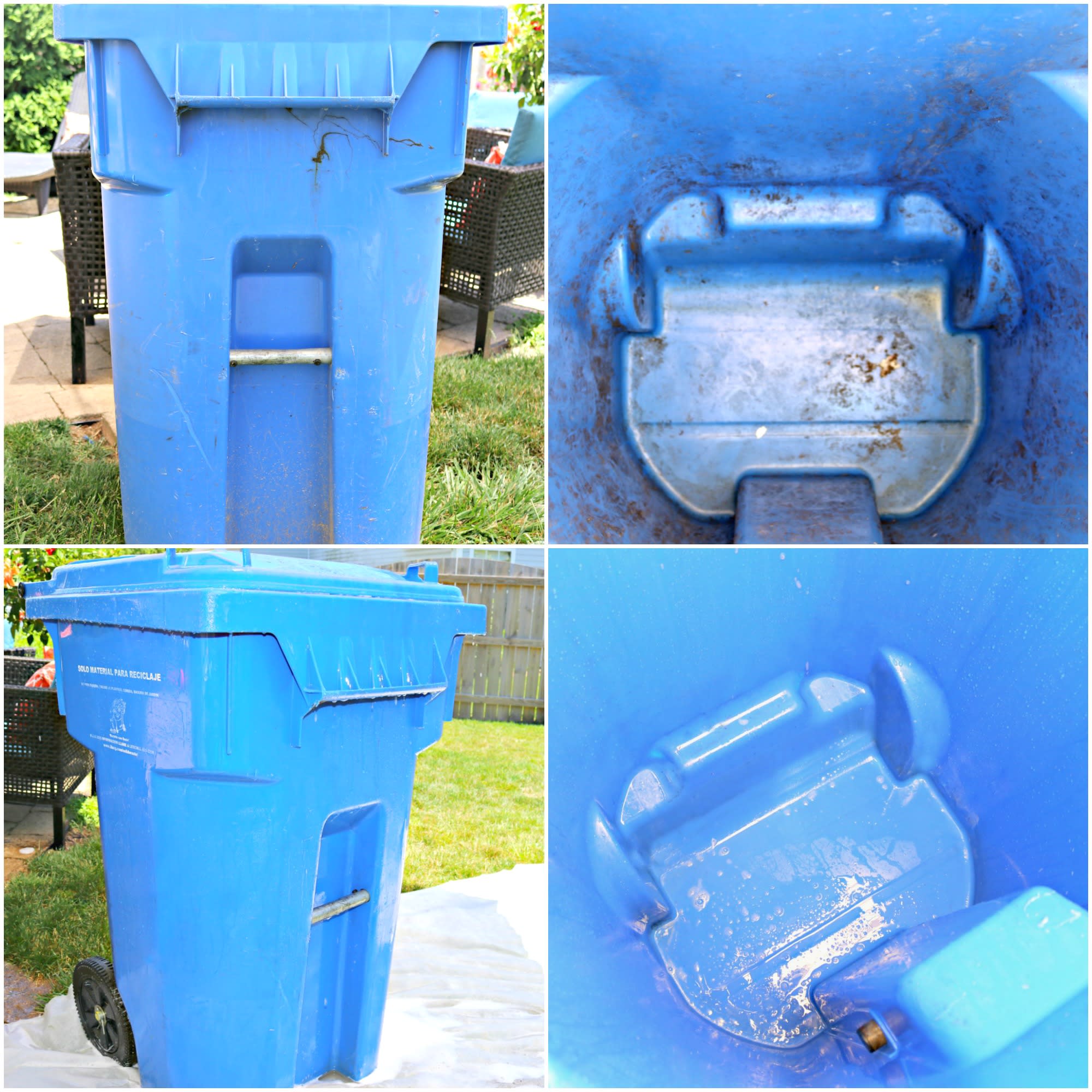
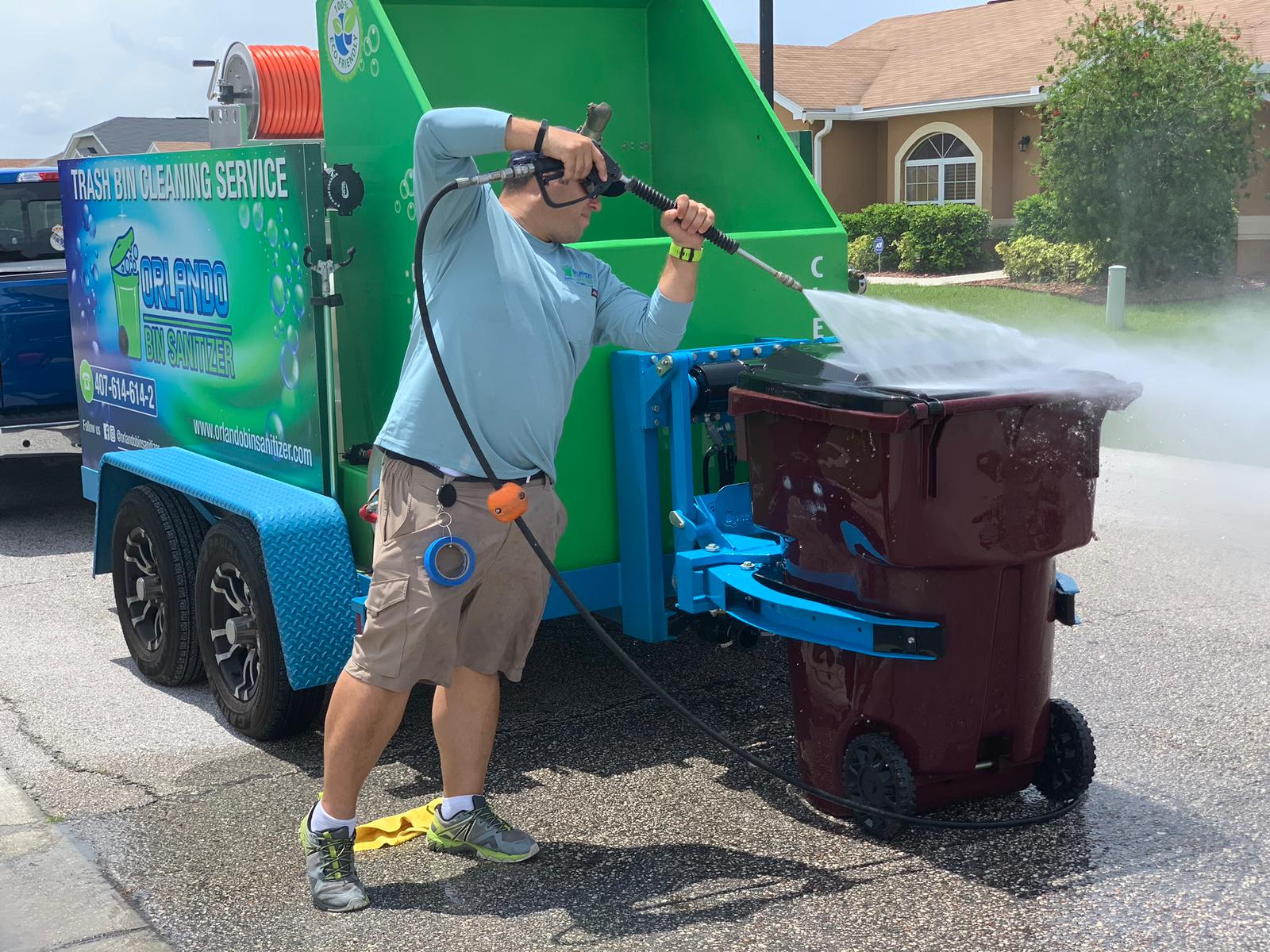
- Outdoor carts. Clean monthly or after leaks. Use a hose, stronger soap, and a driveway rinse. Let them bake dry in the sun.
Sunlight helps sanitize. For how to clean trash can outside, pick a warm, breezy day.
A simple maintenance schedule
Keep it simple. Tie cleaning to habits you already have.
- Weekly. Quick rinse and soap scrub for kitchen bin. Refresh baking soda.
- Biweekly. Disinfect high-touch parts like the lid and handles.
- Monthly. Deep clean outdoor carts. Check wheels and seams.
- After spills. Clean right away. Fast action stops set-in odors.
If you forget, set a phone reminder labeled “how to clean trash can” to stay on track.
Safe and eco-friendly options
If you prefer gentle methods, these work well.
- Hot water and dish soap for most grime.
- Vinegar for deodorizing and mild disinfecting.
- Baking soda for odor control.
- Hydrogen peroxide for a bleach-free disinfectant. Test on a small area first.
These are great when you want how to clean trash can without harsh fumes. Always test cleaners on a small spot if the bin is colored plastic or metal.
Common mistakes to avoid
A few small errors make smells worse.
- Skipping the dry. Trapped moisture breeds bacteria and mold.
- Using too much bleach. It can damage plastic and leave fumes.
- Mixing chemicals. Never mix bleach with acids or ammonia.
- Ignoring the lid and seams. These spots hide grime.
- Cleaning indoors without airflow. Open a window or work outside.
Avoid these, and how to clean trash can becomes easy and safe.
Troubleshooting tough smells and gunk
If the stink stays, try this plan.
- Do a second enzyme treatment. Let it sit longer, then rinse.
- Place charcoal or baking soda in a breathable pouch under the liner.
- Leave the bin in the sun with the lid open for an hour.
- Check for cracks. Liquids seep in and rot. If cracked, consider a new bin.
Persistent odors often come from liquid trapped under liners. When in doubt, repeat the deep clean. This is how to clean trash can when nothing else seems to work.
Frequently Asked Questions of how to clean trash can
How often should I clean my trash can?
Clean indoor bins every 1 to 2 weeks. Clean outdoor bins monthly or after leaks or strong smells.
What is the best cleaner for bad smells?
Use baking soda and vinegar first, then an enzyme cleaner. If needed, finish with a disinfectant.
Can I use bleach on plastic bins?
Yes, in a diluted mix. Use 5 tablespoons per gallon of water, wear gloves, and rinse well.
How do I stop fruit flies in my trash can?
Keep the lid shut, tie off food scraps, and wipe spills. Clean the bin weekly and add baking soda.
What if I do not have a hose?
Use a shower sprayer or buckets of hot water. Scrub with soap, rinse with clean water, and dry fully.
How to clean trash can without harsh chemicals?
Use hot water, dish soap, vinegar, and baking soda. Add hydrogen peroxide if you need extra sanitizing.
Why does my bin still smell after cleaning?
Odor can linger in seams and under the rim. Scrub those spots, use an enzyme cleaner, and let it sun-dry.
Conclusion
A clean bin keeps your home fresh, safer, and pest-free. With a few supplies and a simple routine, how to clean trash can turns into a fast habit you barely think about. Start with a full scrub today, set a reminder for next week, and enjoy the fresh difference.
Ready to take the next step? Try the checklist above, share your results, and subscribe for more quick home-care guides.

Table of Contents