Adjust the float on the fill valve to lower the tank’s water line.
If you want a simple, safe, and repeatable way to control flushes and stop waste, you’re in the right place. I’ve adjusted hundreds of toilets in homes and rentals, and I’ll show you exactly how to lower the water level in toilet tank with clear steps, photos-in-your-head tips, and fixes for common problems. You’ll learn how the parts work, what to check first, and how to get a clean, quiet flush without leaks or guesswork.

Why lowering the tank water level matters
Lowering the water level cuts water waste with every flush. It can also stop constant refills, splashing, and noisy overflows. A correct level helps the valve seal better and makes the toilet last longer.
If the water is too high, it spills into the overflow tube and the fill valve keeps running. If it is too low, the flush gets weak and may need a second flush. The goal is to set a steady level that matches your toilet’s design.
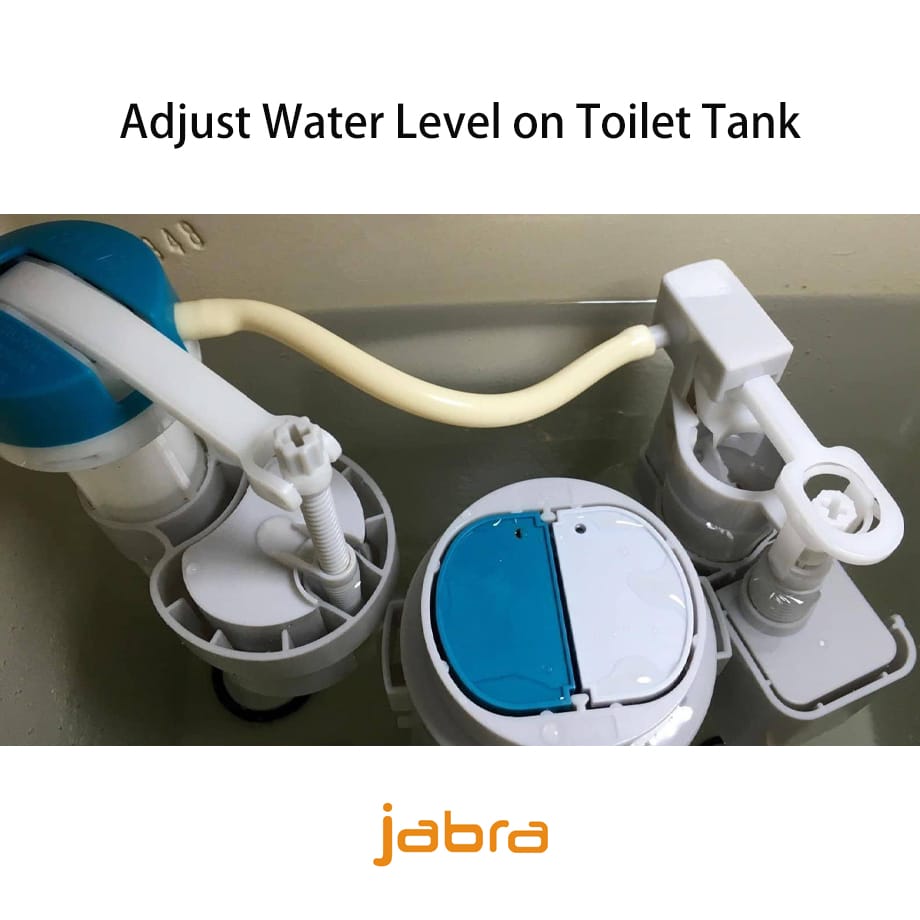
How a toilet fill system works
Most toilets use a fill valve that refills the tank after a flush. A float rises with the water and shuts the valve when it hits the set point. The overflow tube prevents floods by sending excess water into the bowl.
Common parts you will see:
- Fill valve The vertical valve where the water supply connects.
- Float The part that moves with the water and controls shutoff.
- Refill tube The small tube that feeds the overflow during refill.
- Overflow tube The safety tube in the center of the tank.
- Flapper The rubber seal that lifts to start a flush.
Knowing these parts makes it easy to learn how to lower the water level in toilet tank without breaking anything.
:max_bytes(150000):strip_icc()/adjusting-types-of-toilet-ballcocks-1824861-06-1b9eb6b4b16f4cd094280770a2bf9bcc.jpg)
Tools and prep
You can do this with simple tools. Most jobs take five to ten minutes.
What you may need:
- Adjustable wrench For supply line or locknut if needed.
- Screwdriver For older ball-float arms or some valve tops.
- Towel To catch drips and protect the floor.
- Flashlight To check the water line and leaks.
Tip from the field: You often do not need to turn off the water to adjust the float. If you plan to remove parts or clean the valve, close the shutoff valve first.

Step-by-step: how to lower the water level in toilet tank
Follow these steps on a standard float-cup fill valve, which is the most common style today.
- Remove the tank lid Lift it straight up and set it on a towel.
- Find the water line Many tanks have a raised mark or printed line inside. If not, aim for about 1 inch below the top of the overflow tube.
- Identify the adjustment Look for a long threaded rod with a thumbwheel or a small screw on top of the valve. Some have a side clip you squeeze and slide.
- Lower the float Turn the thumbwheel or screw clockwise to lower the float. If it has a clip, squeeze and slide the float down the metal rod.
- Test flush Flush and let the tank refill. Watch where the water stops. Repeat until the water rests at the target line.
- Listen for leaks The fill valve should stop. If water keeps trickling into the overflow tube, lower the float a bit more.
This is the core method for how to lower the water level in toilet tank in minutes, without special tools or stress.

Adjustments by fill valve type
Different valves need slightly different moves. Match what you see in your tank.
Float-cup (newer style)
- Look for a plastic collar around the valve shaft with a float that slides up and down.
- Turn the side thumbwheel or top screw clockwise to lower the water level.
- If there is a metal rod with a spring clip, squeeze the clip and slide the float down.
Ball float on a metal arm (older style)
- The float is a round ball at the end of a long arm.
- Turn the small screw on top of the fill valve clockwise to nudge the arm down.
- If there is no screw, gently bend the arm down in tiny steps. Do not bend too much at once.
Floatless (diaphragm) valve
- The float is inside the valve body.
- Find the small adjustment screw or knob on the cap and turn it clockwise to lower the level.
- Make micro turns, then test. These valves are sensitive.
Pressure-assisted tanks
- Do not adjust the internal pressure vessel unless the manual says so.
- Many pressure-assist units have a small fill adjustment on the supply side. A quarter turn can make a big change.
- If unsure, check the model sticker in the tank and pull the manual. This style is easy to damage with the wrong move.
These fine-tuned steps make how to lower the water level in toilet tank simple, no matter what valve you have.

Set your target water line and test
Aim for a steady level about 1 inch below the top of the overflow tube, or at the mark inside the tank. That range protects against overflows and keeps flush power strong.
Run these quick checks:
- Dye test Add a few drops of food dye to the tank. Wait 10 minutes. If the bowl turns color without flushing, the flapper leaks.
- Refill tube check The small tube should aim into the overflow tube, not under the water.
- Two-flush test Flush twice in a row. The water level should return to the same mark both times.
- Noise check The valve should stop cleanly with no hiss. A hiss means small leaks.
These tests seal the deal on how to lower the water level in toilet tank and confirm your work.

Troubleshooting and fixes
If the water will not stop at your set point, try these:
- Water keeps flowing into the overflow Lower the float again. If it still runs, the fill valve seal may be worn. Replace the seal or the valve.
- Weak flush after lowering Raise the level slightly. Check that the flapper opens fully and that the rim holes are clear.
- Float sticks Clean the valve shaft and float with a cloth. Mineral buildup can make it bind.
- Sudden short cycling Replace the flapper. A warped flapper leaks slowly and makes the valve top off the tank.
- Water hammer or bangs Add a water hammer arrestor or partly close the supply valve to reduce pressure. Check that the refill tube is not jammed deep in the overflow.
From my experience, most “it won’t stop” calls end up being a $10 flapper or a $20 fill valve. If you have to force an adjustment, the part is likely due for replacement. This still fits the core plan of how to lower the water level in toilet tank while keeping parts healthy.
Safety, warranty, and when to call a pro
Safety matters even in small jobs. Keep your hands dry when working near the supply valve. Set the lid somewhere safe. Avoid overtightening screws.
Warranty notes:
- Some newer toilets have specific water heights. Stick to the manual if there is a marked line.
- Using non-OEM parts can void coverage. Keep receipts and model numbers.
Call a pro if:
- The shutoff valve will not turn or leaks.
- You have a pressure-assisted or smart toilet and no manual.
- You see cracks in the tank or constant sweating with puddles on the floor.
Knowing when to stop is part of knowing how to lower the water level in toilet tank the right way.
Water-saving tips after you lower the level
Once the level is set, you can save even more water without hurting flush quality.
Smart upgrades:
- Adjustable flapper Set a timed close for your bowl size.
- High-efficiency fill valve Some models fine-tune the bowl refill ratio.
- Leak alert tabs Keep dye tabs in the vanity to test for silent leaks.
Daily habits:
- Fix running toilets fast They waste gallons per day.
- Do a seasonal check Quick turns on the adjuster keep things in range.
- Track your bill A sudden spike can mean a tank leak.
Small tweaks turn into big wins when you master how to lower the water level in toilet tank and keep it there.
Frequently Asked Questions of how to lower the water level in toilet tank
How far below the overflow tube should the water sit?
About 1 inch below the top of the overflow tube is the sweet spot. Many tanks also have a molded or printed water line you can follow.
Do I need to shut off the water to adjust the float?
Not for small adjustments. If you plan to replace parts or clean the valve, shut it off to avoid splashes.
What if lowering the water level makes the flush weak?
Raise it a little and test again. Also check the flapper, rim holes, and siphon jet for clogs.
How do I know if my fill valve is bad?
If it will not shut off, hisses, or changes level by itself, the seal may be worn. Replacing the fill valve is often faster than fighting it.
Can I lower the level to save water on every flush?
Yes, within reason. Keep enough water for a clean flush and no double flushes, or you will not save much in the end.
Is bending the ball float arm safe?
Yes, but only in small bends. Use gentle pressure to avoid snapping the arm or stressing the valve.
Will lowering the tank water level stop a running toilet?
Sometimes. If the water was spilling into the overflow, lowering the level helps. If it still runs, replace the flapper or fill valve.
Conclusion
You now know how to lower the water level in toilet tank with simple checks and small turns. Set the float, test the line, and make sure the valve shuts clean. Fix small leaks early and your toilet will run quiet and efficient for years.
Take five minutes today to tune your tank and cut waste on every flush. Want more practical home fixes like this? Subscribe for step-by-step guides, ask a question, or share your results in the comments.

Table of Contents