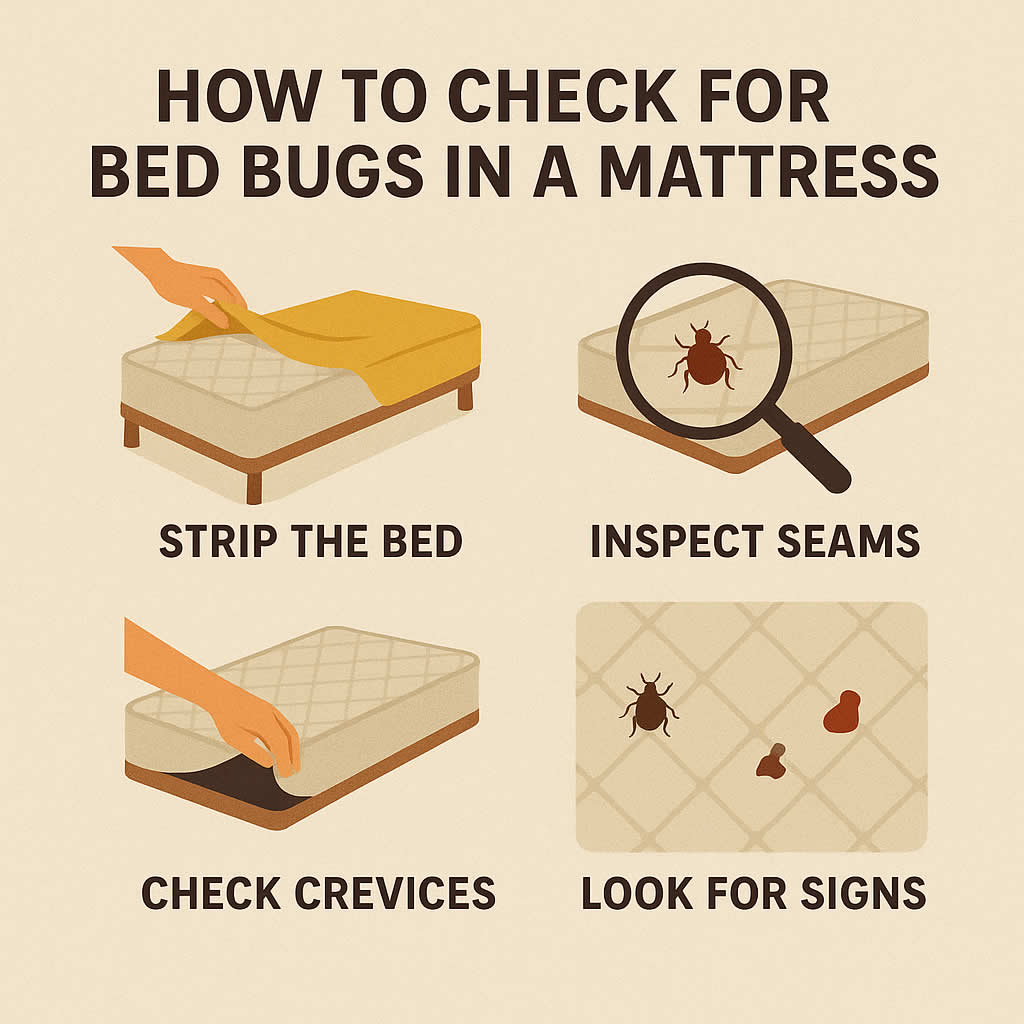
Inspect seams and tags with a flashlight; lift edges; check stains, shells, live bugs.
If you need to know how to check for bed bugs on a mattress, you are in the right place. I have inspected hundreds of beds for families, hotels, and landlords. In this guide, I show you the exact steps I use, with simple tools and clear signs to watch for. Follow along and you will learn how to check for bed bugs on a mattress fast and with confidence.
What bed bugs and early signs look like
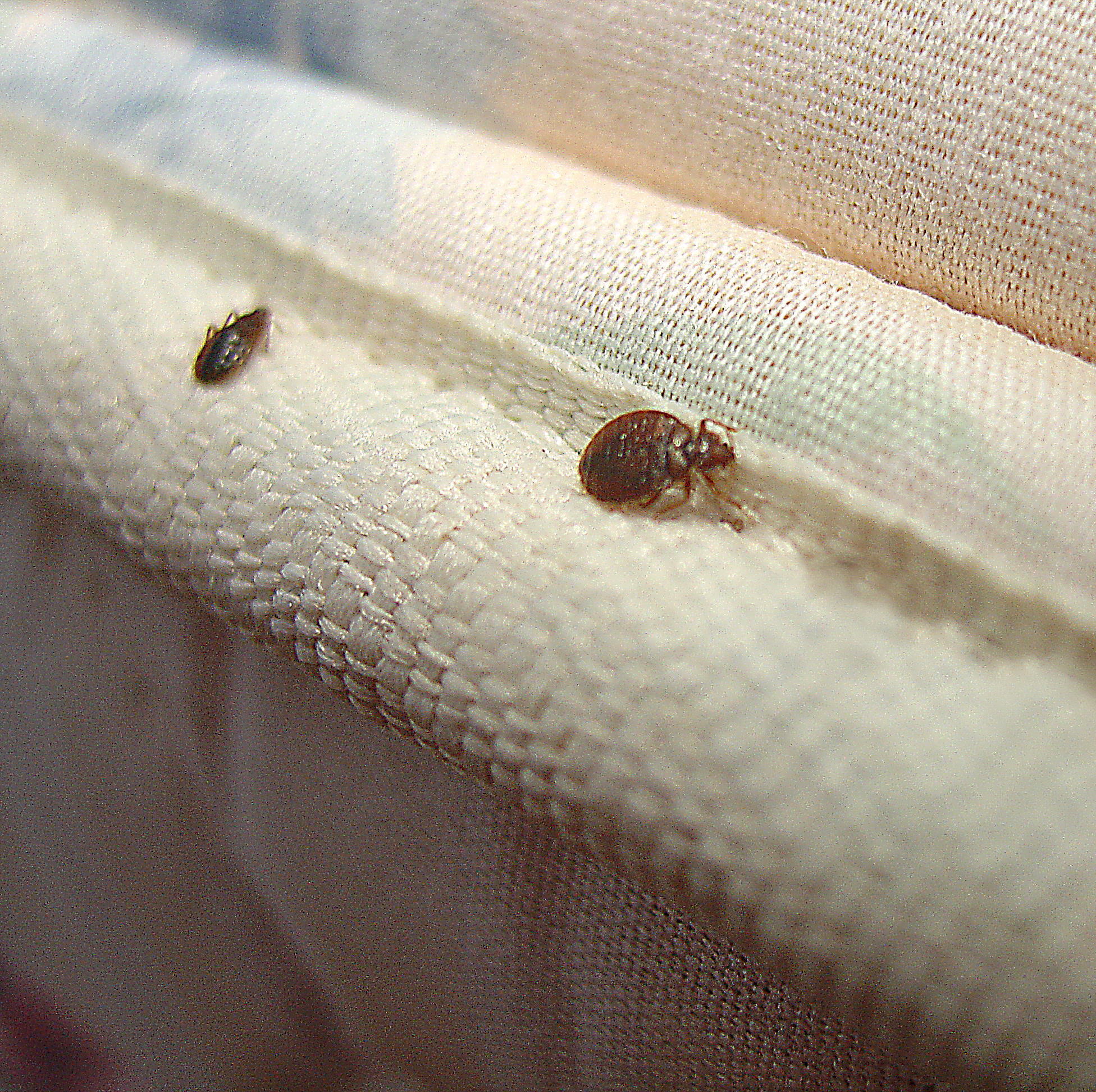
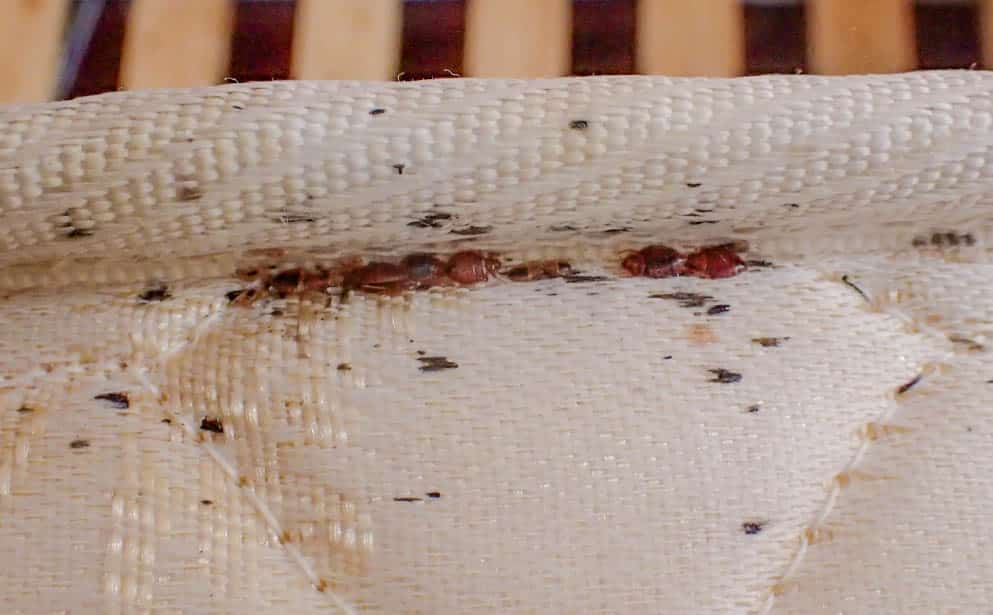
Bed bugs are small, flat, and oval. Adults are about apple-seed size. They are brown and turn reddish after feeding. Nymphs are tiny and pale.
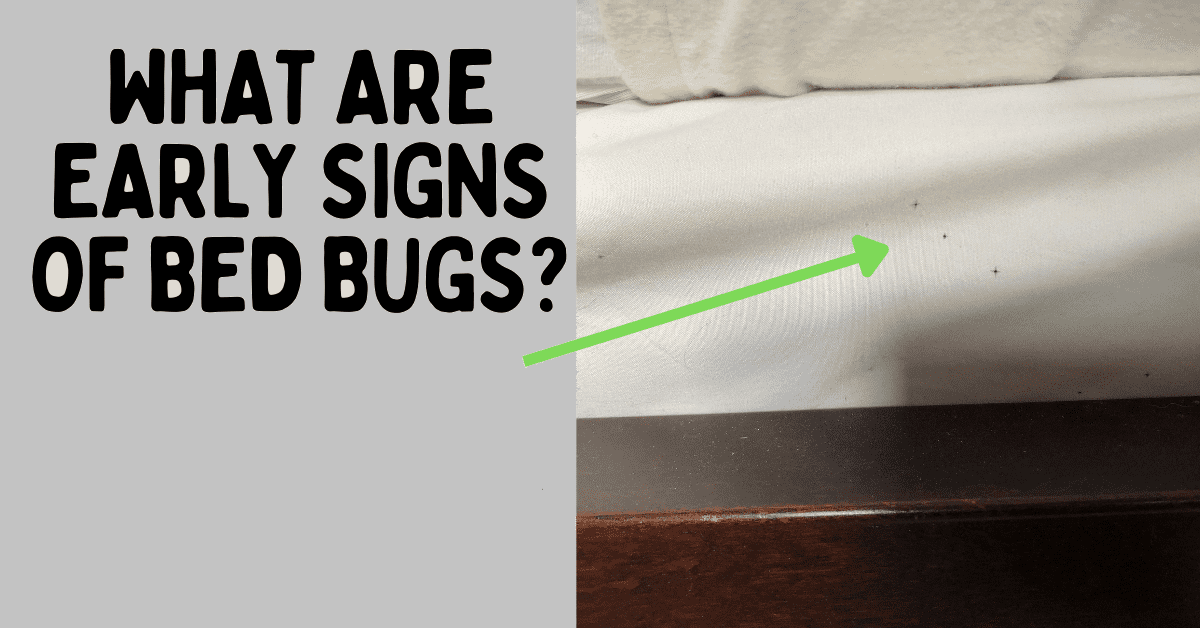
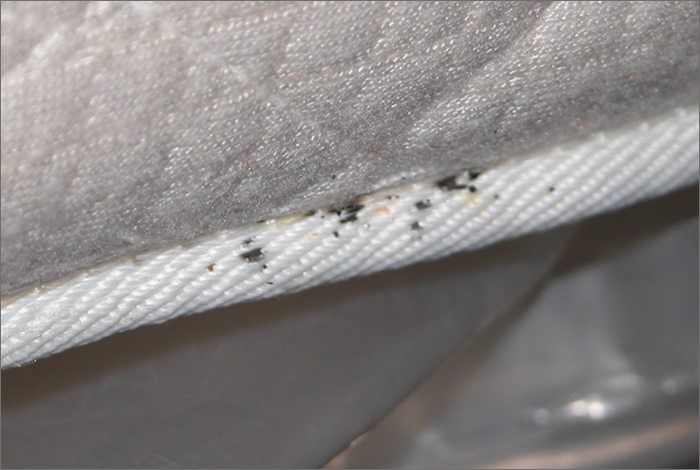
Early signs show up before you see bugs. Look for small black dots that smear when damp. These are fecal spots. Also watch for clear shells, tiny eggs, and blood specks on sheets.
Here are common clues you will see when you learn how to check for bed bugs on a mattress:
- Fecal spots that look like tiny ink dots.
- Shed skins that look like clear flakes.
- Eggs that look like white sesame seeds.
- Live bugs in seams, tags, and tufts.
- Lines or clusters of bites on skin, often itchy.
Public health and pest experts note these signs as reliable. Fecal spots and shed skins usually appear near where people sleep. That is why the mattress is the first place to check.
Tools you need before you start
You can inspect well with a few simple items. Most people have these at home.
- Bright flashlight or phone light.
- Old credit card or a thin plastic card.
- White sheet or large white trash bag to work over.
- Lint roller or clear tape.
- Magnifying glass if you have one.
- Disposable gloves.
- Zip-top bags for samples.
- Damp cotton swab to test if a spot smears.
These tools make it easier to learn how to check for bed bugs on a mattress. The white background helps you spot dark specks. The card helps you probe seams without tearing the fabric.

Step-by-step: how to check for bed bugs on a mattress
Move slow and use your light at a low angle. Work from top to bottom. Keep samples in bags if you find them.
- Strip the bed. Bag sheets and pillows. Set them aside for laundry on high heat.
- Place a white sheet on the floor. Put the bare mattress on it if you can.
- Start with the top seam. Point your light along the edge. Look for black dots, skins, and eggs.
- Use the card to press into the seam. Drag it along the stitch line to pull out hidden debris.
- Check the corners and the mattress label. These hide bugs often.
- Lift the piping and any fabric tags. Bugs like tight folds.
- Inspect tufts, buttons, and any handles. Check under them, not just on top.
- Flip the mattress. Repeat the seam check on all four sides.
- Look for blood specks. These can look like small rust spots on fabric.
- Test dark dots with a damp swab. True fecal spots will smear dark.
While doing how to check for bed bugs on a mattress, collect anything you find. Place it in a clear bag. A lint roller can pick up tiny eggs and shells. If the roller picks up dark spots that smear, that is a strong sign.
If you find no signs, take one more slow pass around all seams. Many misses happen from checking too fast. A careful second check saves time later.
Check beyond the mattress
If the mattress is clean, the bugs may be nearby. Bed bugs hide in a five-foot zone around the bed.
Check these places next:
- Box spring edges, stapled fabric, and the plastic corner guards.
- Bed frame joints, screw holes, and slats.
- Headboard back and wall side, even if mounted.
- Nightstand undersides and drawer corners.
- Baseboards, carpet edges, and behind loose wallpaper.
I often find early activity in the box spring. If you want a clear picture, remove the box spring and check its underside. Keep using your light and card.

What to do if you find signs
First, do not panic and do not toss the mattress. You can control the spread with simple steps.
- Bag all bedding. Wash on hot and dry on the hottest safe setting.
- Vacuum seams, piping, and tufts with a crevice tool. Empty the vacuum outside.
- Steam slowly along seams if you have a steamer. Target at least 130°F at the surface.
- Install a quality mattress and box spring encasement. This traps bugs and protects the bed.
- Place interceptor cups under bed legs. These help monitor and reduce movement.
- Reduce clutter near the bed. Give bugs fewer hiding spots.
For chemical options, use only registered products and follow label directions. Avoid total-release foggers, which do not reach hiding spots. If the signs are heavy, call a licensed pest professional. Studies show pros have higher success with complex cases.
Ongoing prevention and monitoring
Bed bugs spread through travel and used items. Good habits stop most issues before they grow.
- After trips, dry clothes on high heat before storing them.
- Inspect luggage seams and pockets. Store luggage off the bedroom floor.
- Use encasements on mattresses and box springs year-round.
- Vacuum bedroom floors and baseboards weekly.
- Install bed leg interceptors for early warnings.
- Set a monthly reminder for how to check for bed bugs on a mattress.
These steps are simple, cheap, and effective. Most infestations get caught early with a monthly check and interceptors.

Common mistakes to avoid
Some fixes make things worse. Here are traps I see often.
- Spraying rubbing alcohol on the bed. It is risky and not reliable.
- Tossing the mattress right away. You can spread bugs through the home.
- Skipping the box spring. Many early clusters hide there.
- Checking only in bright overhead light. A low-angle flashlight works better.
- Looking once and assuming it is clear. Repeat how to check for bed bugs on a mattress after a week.
Avoiding these mistakes saves money and stress. It also speeds up control if you do find bugs.
Frequently Asked Questions of how to check for bed bugs on a mattress
What do bed bug fecal spots look like?
They look like tiny black ink dots that soak into fabric. If you touch them with a damp swab, they smear dark.
Can I find bed bugs during the day?
Yes, but they hide well. Use a flashlight and check tight seams, tags, and cracks.
How often should I do how to check for bed bugs on a mattress?
Do a quick check monthly and after any trips or guests. Use interceptors so you do not miss early signs.
Do bed bugs live only on mattresses?
No. They hide in frames, box springs, headboards, and nearby furniture. That is why you should check the whole sleep area.
What is the fastest way to confirm what I found?
Bag a sample and use a magnifier to look for legs and body shape. You can also ask a pro for an ID.
Will mattress encasements stop an infestation by themselves?
Encasements trap bugs inside and protect the bed. You still need cleaning, interceptors, and often professional help.
Conclusion
You now know how to check for bed bugs on a mattress with simple steps and tools. Focus on seams, tags, tufts, and corners. Take your time, collect samples, and confirm signs before you act.
A calm, careful check today can save you weeks of stress later. Set a monthly reminder, add interceptors, and keep luggage checks part of your routine. If you need more help, explore our guides, subscribe for updates, or leave a question and I will walk you through your next steps.

Table of Contents