Vacuum, spot-clean stains, sprinkle baking soda, air-dry, and protect with a cover.
If you want to know how to clean a mattress the right way, you are in the perfect place. I have cleaned dozens of mattresses for clients and in my own home. I will show you how to clean a mattress step by step, avoid common mistakes, and keep it fresh for years. The tips here blend proven methods with real-life tricks you can trust.
:max_bytes(150000):strip_icc()/clean-your-mattress-the-natural-way-350742-dd95404f7ac54f9b90f09045d9b4e98c.png)
Supplies you need to clean a mattress
Gather these before you start so the job goes fast.
- Vacuum with upholstery tool. A HEPA filter helps with dust and dander.
- Enzymatic cleaner. Great for urine, sweat, and blood.
- Distilled white vinegar. Helps with odors and some stains.
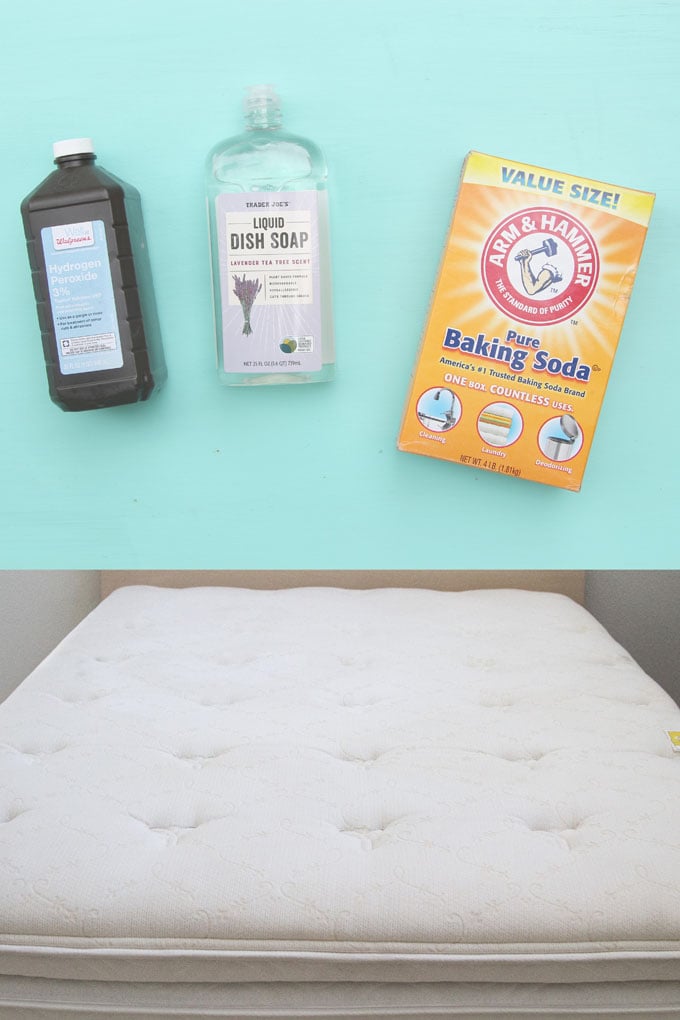
- 3% hydrogen peroxide. For light fabrics and protein stains. Patch test first.
- Mild dish soap. A few drops in warm water make a safe spot cleaner.
- Baking soda. Pulls odors and moisture from the surface.
- Clean white cloths or paper towels. Color-safe and lint-free is best.
- Spray bottles. One for water, one for cleaners.
- Soft brush. A clean toothbrush works for small spots.
- Fans or a dehumidifier. Speeds up drying.
- Mattress protector. Keeps future mess off the foam.
If you are here to learn how to clean a mattress fast, this toolkit covers all common needs.

Step-by-step: how to clean a mattress
This is the core method I use for most homes.
- Strip the bed. Wash sheets, pillowcases, and protector in hot water if care tags allow.
- Dry the bedding fully. Heat helps reduce dust mites in fabric.
- Vacuum the mattress. Use the upholstery tool. Go slow in lines. Get seams and edges.
- Treat stains first. Blot, then apply the right cleaner (see stain guide below).
- Lightly clean the surface. Mix a few drops of dish soap in warm water. Mist a cloth. Wipe in small sections. Do not soak the mattress.
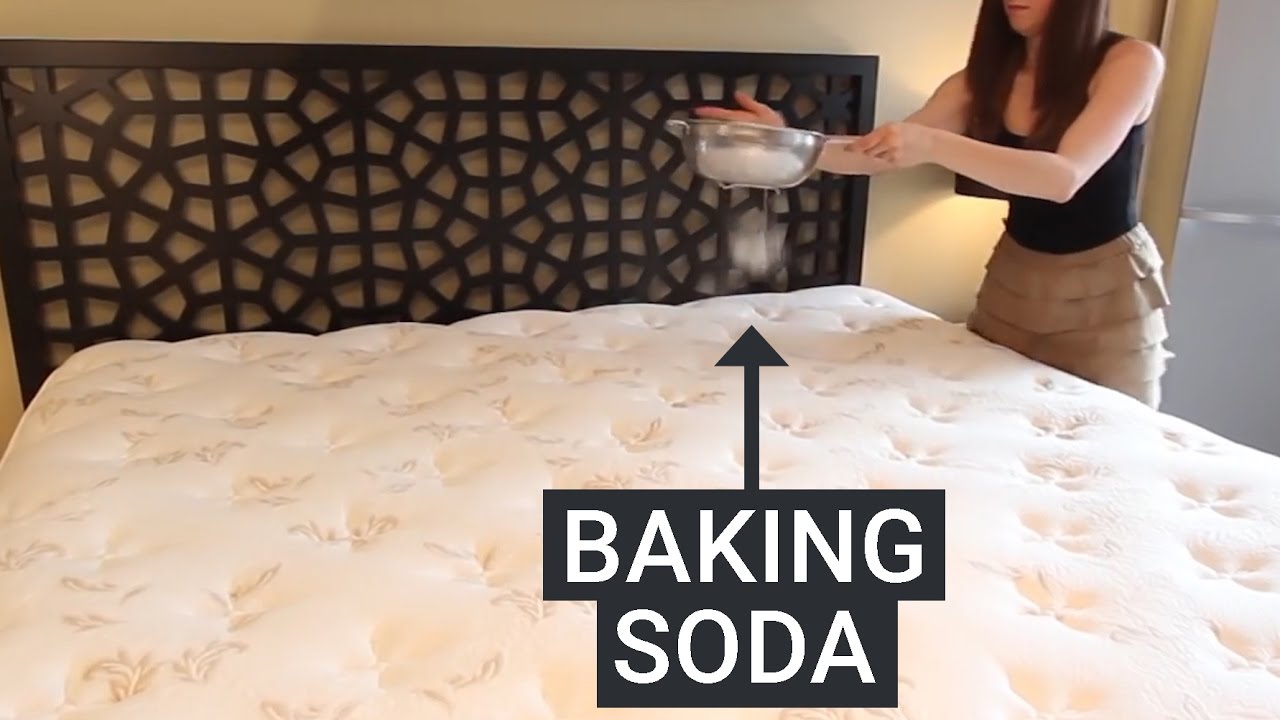
- Deodorize. Sprinkle a light, even layer of baking soda. Let it sit 30 to 60 minutes. For deep smells, wait 4 to 8 hours.
- Vacuum again. Remove all baking soda. Check for any damp spots.
- Dry and air. Aim fans across the bed. Open a window. Use a dehumidifier in humid rooms.
- Flip or rotate if the model allows. Many mattresses can rotate head to foot. Some cannot flip.
- Protect. Once dry, add a waterproof, breathable mattress protector.
Follow these steps when you want a safe and complete plan for how to clean a mattress without harsh chemicals.
How to remove common stains from a mattress
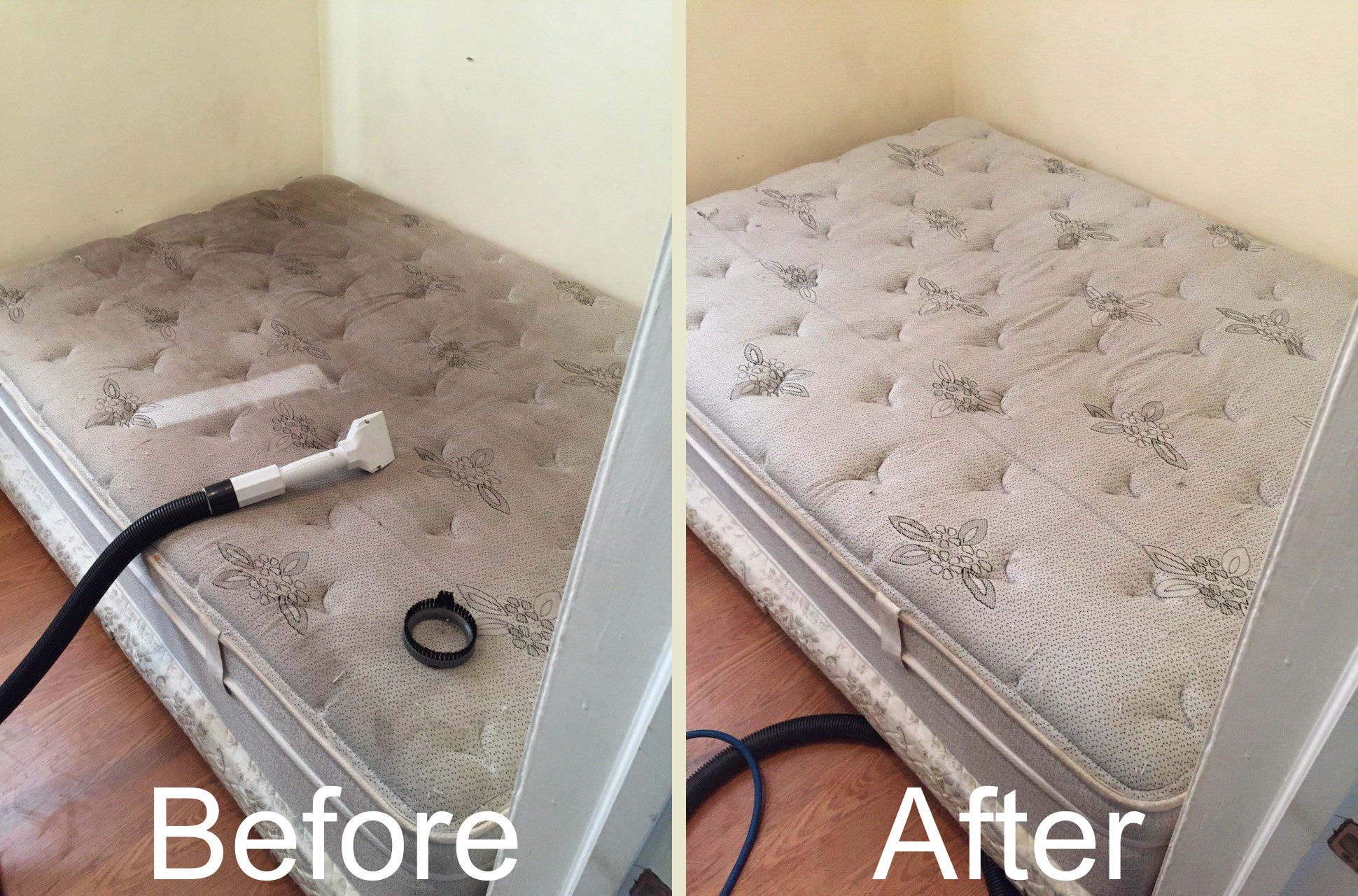
Stains need quick action. Always blot first. Work from the outside in. Test in a hidden spot.
Sweat and yellowing
- Mix one cup of water with one tablespoon of mild dish soap. Lightly dab. Blot dry.
- For yellowing on light fabrics, use 3% hydrogen peroxide on a cloth. Dab, do not pour. Blot dry. Peroxide can bleach, so test first.
Urine (fresh)
- Blot as much as you can. Press with dry cloths.
- Spray an enzymatic cleaner. Let it sit 10 to 15 minutes. Blot. Repeat if needed.
- Sprinkle baking soda to pull odor. Let sit at least one hour. Vacuum.
Urine (old)
- Lightly mist with water, then apply enzymatic cleaner. Cover with a damp cloth for 30 minutes to keep it active. Blot and dry.
- Repeat cycles. Old urine may need 2 to 3 rounds.
Blood
- Use cold water only. Warm water can set it.
- Mix 3% hydrogen peroxide with equal water. Dab with a cloth. Let it bubble. Blot dry. Repeat if needed. Test first.
Vomit
- Remove solids with gloves and a spoon. Do not push them into the foam.
- Spray a mix of equal parts water and white vinegar. Blot. Then apply enzyme cleaner. Blot and dry. Deodorize with baking soda.
Coffee, tea, or wine
- Blot fast. Mix one cup of water with one tablespoon of dish soap. Dab and blot.
- For tough spots on light fabric, dab with diluted peroxide. Test first.
These targeted fixes make how to clean a mattress easier, even with stubborn stains.
Deodorize and banish odors safely
Odors can linger in foam. Use dry methods first to avoid damage.
- Baking soda. Light, even sprinkle. Wait 4 to 8 hours for heavy smells. Vacuum well.
- Ventilation. Cross-breeze helps. Fans and a dehumidifier reduce musty odors.
- Sun and fresh air. Bright, indirect light and airflow help reduce moisture and freshen. Do not leave foam under harsh, direct sun for long hours.
- Enzymatic deodorizer. Use for organic odors. Let it sit as directed, then blot and dry.
- Avoid perfumes. Masking sprays can irritate allergies and do not solve the cause.
If you need to know how to clean a mattress that smells, focus on dry absorption, enzymes, and airflow.
Disinfecting a mattress: what is realistic
Mattresses are porous, so full disinfection is not like a hard counter. Aim for clean, dry, and low odor.
- Physical cleaning first. Vacuum and spot clean. This removes the most germs and allergens.
- Alcohol-based sprays. A light mist of 70% isopropyl alcohol on the fabric can reduce surface germs. Do not soak. Allow several minutes of contact time. Ventilate well. Patch test.
- Hydrogen peroxide 3%. Safe on many light fabrics, but can bleach. Do not use on dark or delicate covers.
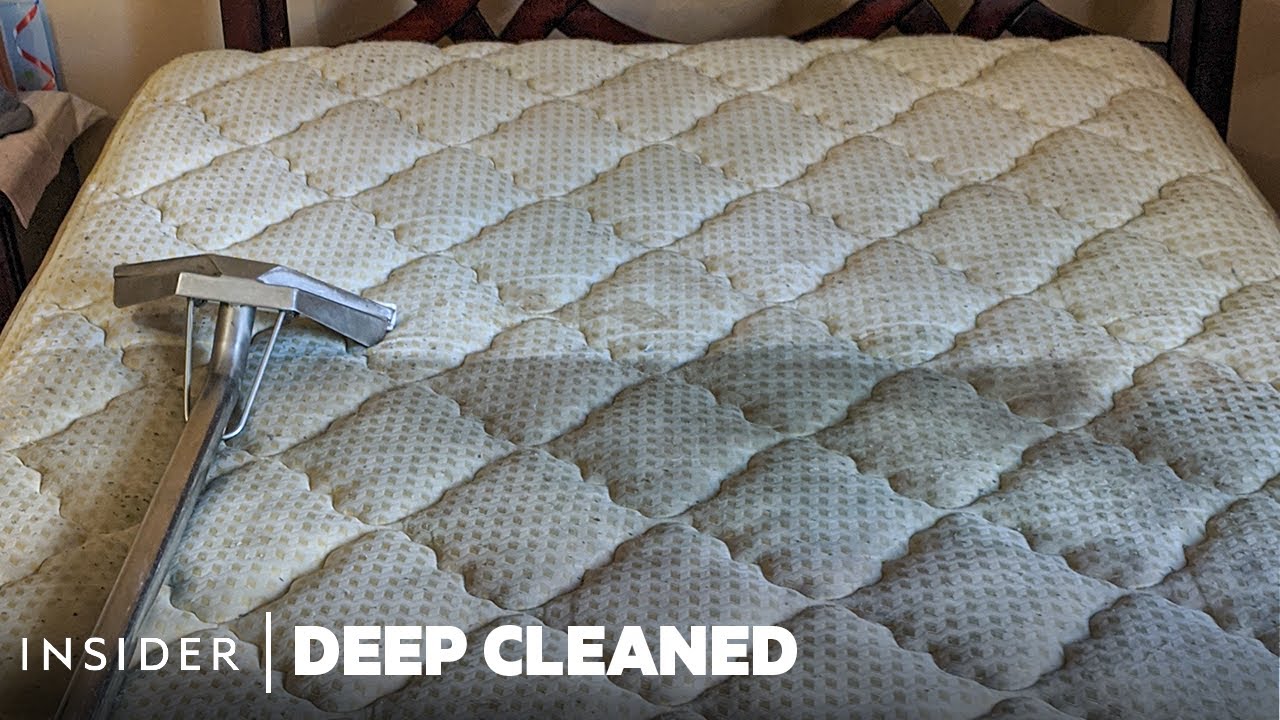
- Steam with care. Low-moisture steam can help at seams and tufts. Keep the head moving. Do not saturate foam. Excess heat can harm adhesives and foam.
- Skip bleach. It can damage fabric and foam and leave fumes.
This balanced plan shows how to clean a mattress to a hygienic level while respecting the material limits.
Drying the mattress faster
Moisture trapped in foam is bad for odor and shape. Dry time matters.
- Use two fans. Aim from different angles. More airflow equals faster drying.
- Open windows or run a dehumidifier. Keep room humidity under 50 percent if you can.
- Blot often during cleaning. Less liquid in means less time to dry.
- Flip airflow. After one hour, change fan angles to hit seams and edges.
- Avoid high heat. Hair dryers and heaters can harm foam and even pose a fire risk.
If you are learning how to clean a mattress the low-risk way, slow, steady drying is key.

Care schedule and prevention
A simple routine keeps the job easy next time.
- After spills. Treat within 15 minutes if possible. Blot first. Enzyme next.
- Weekly. Wash sheets. Quick vacuum pass over the top when you change bedding.
- Monthly. Vacuum the full surface and sides. Check for new spots.
- Seasonally. Deep clean with baking soda and a careful wipe-down.
- Always. Use a waterproof, breathable protector. It is the easiest win.
These habits make how to clean a mattress a 10-minute task, not an all-day chore.

Special care by mattress type
Different builds need different care. Check the care tag first.
- Memory foam. Avoid soaking. No harsh heat. Enzymes and light dabs only.
- Latex. Use mild soap and water. Avoid solvents and high heat. Dry fast with airflow.
- Hybrid or innerspring. You can use slightly more moisture, but still avoid soaking. Vacuum seams well.
- Pillow-top. Treat the top fabric gently. Blot, never scrub hard. Use a soft brush for tufts.
- Air mattresses and toppers. Use mild soap and water on the surface. Keep valves dry. Let parts dry before storing.
Knowing your bed’s build helps you decide how to clean a mattress without damage.

Mistakes to avoid and pro tips
These are lessons I learned the hard way in clients’ homes.
- Using too much water. Foam soaks it up and smells for days. Always spray the cloth, not the bed.
- Scrubbing hard. This spreads stains. Dab, lift, and blot instead.
- Skipping a patch test. Peroxide and alcohol can lighten color. Test a hidden spot first.
- Mixing chemicals. Do not mix vinegar and peroxide in a container. Use one, rinse, then try the other later if needed.
- Rushing dry time. If it feels cool or damp, keep fans running.
- Pro tip: Double-protect. Use a waterproof protector under a soft, washable cover. Wash the top cover monthly.
- Pro tip: Let enzymes work. Give 10 to 15 minutes of dwell time before blotting.
- Pro tip: HEPA matters. A HEPA vacuum reduces allergens and dust mites.
Follow these and you will master how to clean a mattress with less effort and better results.
Frequently Asked Questions of how to clean a mattress
How often should I clean my mattress?
Do a quick vacuum monthly and a deeper clean every 3 to 6 months. Treat spills right away to avoid stains and odors.
Can I use a carpet cleaner on my mattress?
Avoid heavy extraction machines. They push too much water into foam and slow drying, which can lead to odors.
What is the best way to remove urine smell?
Use an enzymatic cleaner, then baking soda for several hours. Repeat enzymes if the smell lingers, and dry with fans and a dehumidifier.
Is steam cleaning safe for memory foam?
Use great care or avoid it. Too much heat or moisture can damage foam and glue layers.
Do I need a mattress protector?
Yes. A waterproof, breathable protector blocks spills and sweat. It makes how to clean a mattress far faster and easier.
Can baking soda damage my mattress?
No. Baking soda is safe on fabric and foam. Vacuum it well so no powder remains.
How long should a mattress dry after spot cleaning?
Plan for several hours with fans. Do not make the bed until the surface feels fully dry and room-temperature warm.
Conclusion
A clean mattress helps you sleep better and stay healthier. You learned how to clean a mattress step by step, remove tough stains, knock out odors, dry it fast, and keep it protected. The key is simple: use less liquid, act fast on spills, and guard the bed with a good protector.
Pick one area to start today. Do a quick vacuum, spot-clean one stain, or add a protector. Want more easy home care guides like this? Subscribe for updates or leave a comment with your toughest mattress mess—I am happy to help.

Table of Contents