Most homes should mop high-traffic floors weekly and low-traffic every two weeks.
If you have ever wondered how often should you mop floors, you are not alone. I’ve cleaned hundreds of homes and offices, and the right schedule saves time and protects your floors. This guide breaks down how often should you mop floors by room, material, and lifestyle, with pro tips you can use today.
:max_bytes(150000):strip_icc()/how-often-mop-floors-GettyImages-761856731-df9265fdc08e4f8f91fc7f275051dc01.jpg)
What actually decides your mopping schedule
The true answer to how often should you mop floors depends on traffic, floor type, and who lives in your home. Kitchens and entryways collect grease and grit fast. Bedrooms and formal rooms stay cleaner for longer. Homes with kids, pets, or allergies need a tighter routine.
Key factors that change how often should you mop floors:
- Foot traffic More shoes means more dirt and more frequent mopping.
- Spills and soil Kitchens and baths get sticky and need weekly attention.
- Floor material Wood needs less water, tile can handle more scrubbing.
- Climate Dusty or rainy areas call for more frequent cleaning.
- Health needs Allergies and asthma improve with a cleaner floor.
A simple rule of thumb for how often should you mop floors:
- High traffic Weekly
- Medium traffic Every 1 to 2 weeks
- Low traffic Every 2 to 4 weeks
A simple room-by-room schedule you can trust
If you want a quick plan for how often should you mop floors, start here. Adjust up or down as you observe your home.
- Kitchen and dining Weekly, or twice weekly if you cook often.
- Bathrooms Weekly with a disinfecting step on hard, nonporous surfaces.
- Entryways and mudrooms Weekly, more in muddy or snowy seasons.
- Living rooms and halls Every 1 to 2 weeks, or weekly with pets.
- Bedrooms Every 2 to 4 weeks, or weekly for allergies.
- Home office Every 2 to 4 weeks, unless you snack and spill.
Tip from experience: When clients ask me how often should you mop floors in small apartments, I suggest a 20-minute weekly sweep and spot mop. It prevents grime from setting in.

Floor-by-floor guidance to prevent damage
Another way to answer how often should you mop floors is by material. The right method protects finish and keeps warranties valid.
- Hardwood Every 1 to 2 weeks with a damp, well-wrung microfiber mop. Never soak. Use a cleaner labeled safe for wood. Dry fast with airflow.
- Laminate Every 2 weeks, or weekly with pets. Use very little water. Avoid steam, which can cause swelling.
- Vinyl and luxury vinyl Weekly. Use a neutral pH cleaner. Rinse if residue remains.
- Tile and grout Weekly. Use a neutral or slightly alkaline cleaner. Rinse well to avoid haze. Seal grout as needed.
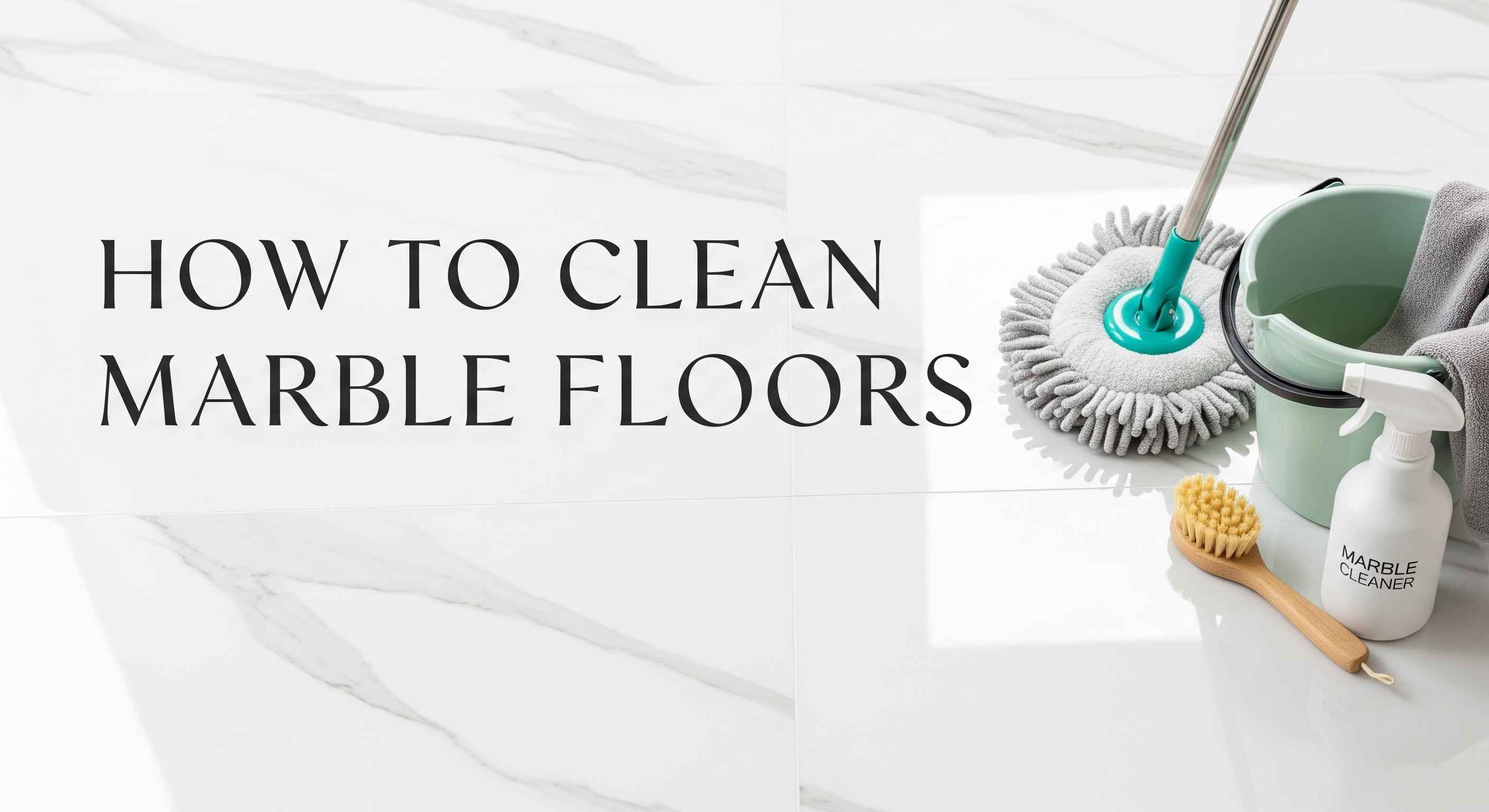
- Natural stone Every 1 to 2 weeks. Use a stone-safe, pH-neutral cleaner. Avoid vinegar, lemon, or acids that etch.
- Sealed concrete Every 1 to 2 weeks. Neutral cleaner, microfiber mop, quick rinse.
If you are unsure how often should you mop floors made of specialty materials, check the manufacturer care sheet. Over-wetting is the most common cause of damage I see.
Signs it is time to mop right now
Learning how often should you mop floors is easier when you spot early clues. Your floors talk to you.
- Visual film or dullness Light reflects poorly and surfaces look cloudy.
- Sticky steps Shoes or socks squeak or grab as you walk.
- Grit underfoot You feel sand or dust even after sweeping.
- Odors Musty or sour smells mean bacteria are active.
- Allergy flares More sneezing or dust means it is time.
If any of these show up, do not wait for your calendar. Mop that zone today.

A fast daily, weekly, and monthly routine
People often ask how often should you mop floors if they want to stay ahead with little work. This staggered plan keeps it easy.
Daily
- Spot wipe spills, splatters, and pet messes.
- Dry dust or vacuum high-traffic areas.
Weekly
- Mop kitchen, baths, and entryways.
- Change mop water often to avoid streaks.
Monthly
- Mop low-traffic rooms.
- Clean baseboards and under large furniture edges.
- Wash or replace mop pads.
Quarterly
- Deep clean grout or refresh wood with a recommended cleaner.
- Check and replace felt pads on chair and table legs.

How to mop the right way in five steps
Good technique matters as much as how often should you mop floors. It is the difference between shiny and streaky.
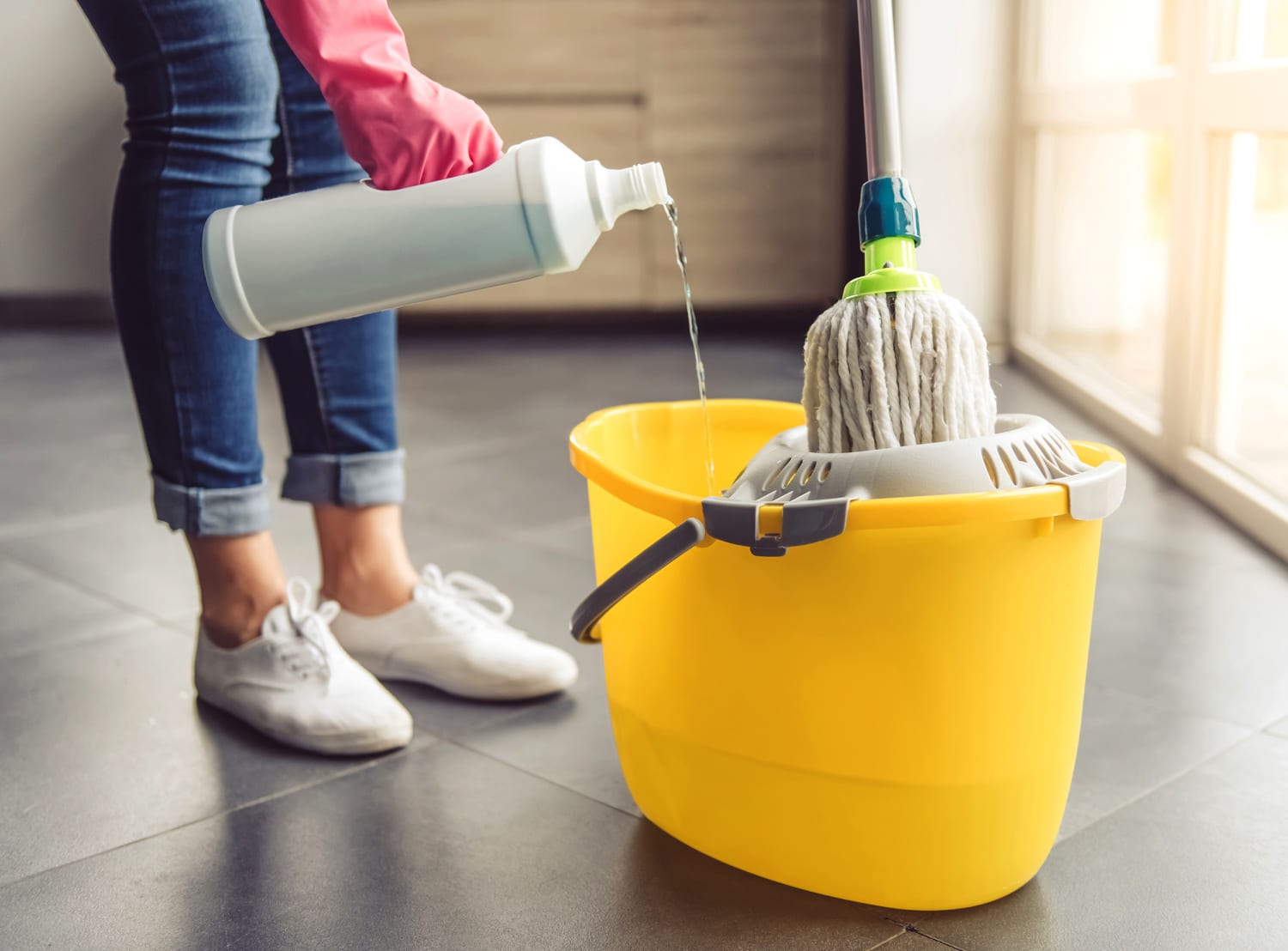
- Prep Dry dust or vacuum first. Remove crumbs and hair so you do not smear them.
- Mix Use the right dilution. More soap does not mean cleaner; it often means residue.
- Mop Work in small sections. Use an S-pattern and overlap your strokes.
- Refresh Change dirty water at the first sign of cloudiness. Swap to a clean pad often.
- Dry Improve airflow with fans and open windows. Keep traffic off until fully dry.
Pro tip I teach clients Use two buckets. One for solution, one for rinse water. It keeps your mop cleaner for longer.

Mistakes to avoid and pro tips I swear by
Knowing how often should you mop floors helps, but avoiding errors saves time and money.
Common mistakes
- Too much water on wood and laminate Causes swelling and warping.
- Dirty water Smears soil and leaves streaks.
- Wrong cleaner on stone Acidic products can etch and dull.
- Skipping rinse Leaves sticky residue that attracts dust.
- One pad for the whole house Cross-contamination spreads germs.
Pro tips
- Use microfiber pads They lift fine dust better than cotton.
- Label pads by room Keep bathroom pads separate from kitchen pads.
- Pre-treat sticky spots Spray and wait 2 minutes before mopping.
- Follow dwell time on disinfectants Let it sit so it can work.
- Test in a hidden corner Always check colorfastness and finish safety.
Safe cleaners and simple DIY options
Part of answering how often should you mop floors is choosing safe products you will use often. Keep it simple and surface-safe.
- Neutral pH cleaners Work on most sealed floors and reduce streaking.
- Disinfectants Use only on hard, nonporous surfaces and follow dwell time. Rinse if the label says so.
- DIY for tile and vinyl Mix warm water with a small amount of mild dish soap. Rinse to remove residue.
- Avoid on stone Vinegar, lemon, and strong acids. Use stone-safe formulas only.
- Scent caution Strong perfumes can trigger headaches. Unscented is best for sensitive homes.
Public health guidance supports regular cleaning to cut germs on high-touch and spill-prone areas. Use disinfectants where it makes sense, like bathrooms and kitchens.

Special cases Kids, pets, allergies, and rentals
You may need to adjust how often should you mop floors for your lifestyle. Use these tweaks to stay ahead.
- Homes with pets Mop kitchens and entries weekly. Add an extra quick mop after muddy walks.
- Homes with babies or crawlers Mop common areas weekly with gentle, residue-free cleaners.
- Allergy and asthma Weekly mopping in bedrooms and living spaces reduces dust. Use HEPA vacuuming first.
- Roommates and rentals Keep a shared schedule on the fridge. Divide rooms and rotate weekly.
- Seniors or mobility limits Use a lightweight spray mop with washable pads. Short, frequent sessions beat long chores.
From my experience, homes with pets that ask how often should you mop floors do best with a set day. Example Every Saturday morning, a quick 20-minute mop of kitchen, hall, and bath.
Frequently Asked Questions of how often should you mop floors
How often should you mop floors in a busy family home?
Aim for weekly mopping in the kitchen, bathrooms, and entryways. Add spot mopping after spills or muddy days.
How often should you mop floors if you live alone?
Every 2 to 4 weeks for low-traffic rooms, and every 1 to 2 weeks for the kitchen. Adjust if you cook often.
How often should you mop floors with pets?
Mop high-traffic areas weekly and spot mop as needed. During wet seasons, add a midweek quick pass.
How often should you mop floors made of hardwood?
Every 1 to 2 weeks with a damp, not wet, microfiber mop. Use a wood-safe cleaner and dry fast.
How often should you mop floors to reduce allergies?
Mop bedrooms and living rooms weekly after a HEPA vacuum. Keep cleaners low-residue and unscented.
How often should you mop floors in bathrooms?
Once a week with a cleaner safe for your surface. Disinfect nonporous areas and allow proper dwell time.
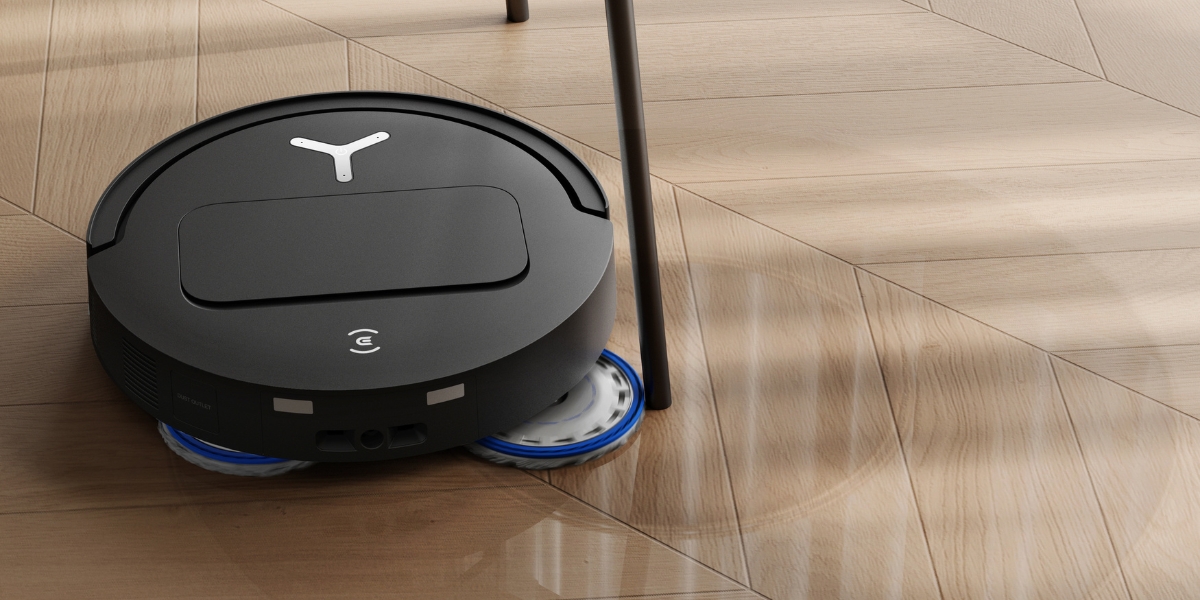
How often should you mop floors if you use a robot vacuum?
Keep weekly mopping for kitchens and baths. Robot vacuums help with dust but do not remove sticky grime.
Conclusion
A clean floor is a healthy floor, and a simple plan makes it easy. Use this guide to set how often should you mop floors by room, material, and lifestyle. Watch the signs, use the right products, and keep your routine light but steady.
Start today Pick one high-traffic area and give it a careful mop. If this helped, subscribe for more practical home care tips or leave a comment with your floor type and I will suggest a custom schedule.

Table of Contents