So your tongs just gave up mid-flip. The spring went flying, the rivet loosened up, or the handle snapped clean in two. You’re not alone, and honestly, knowing how to fix broken tongs is a kitchen skill that saves you money and keeps good tools out of the landfill.
The good news is that most tongs share a simple design. A hinge pin, a spring, and two handles. As of 2026, the vast majority of home kitchen tongs use a 3/16-inch peened rivet as the pivot point.
That is a standard size, and replacement parts are cheap. Let’s walk through how to figure out what broke and get your tongs working again.
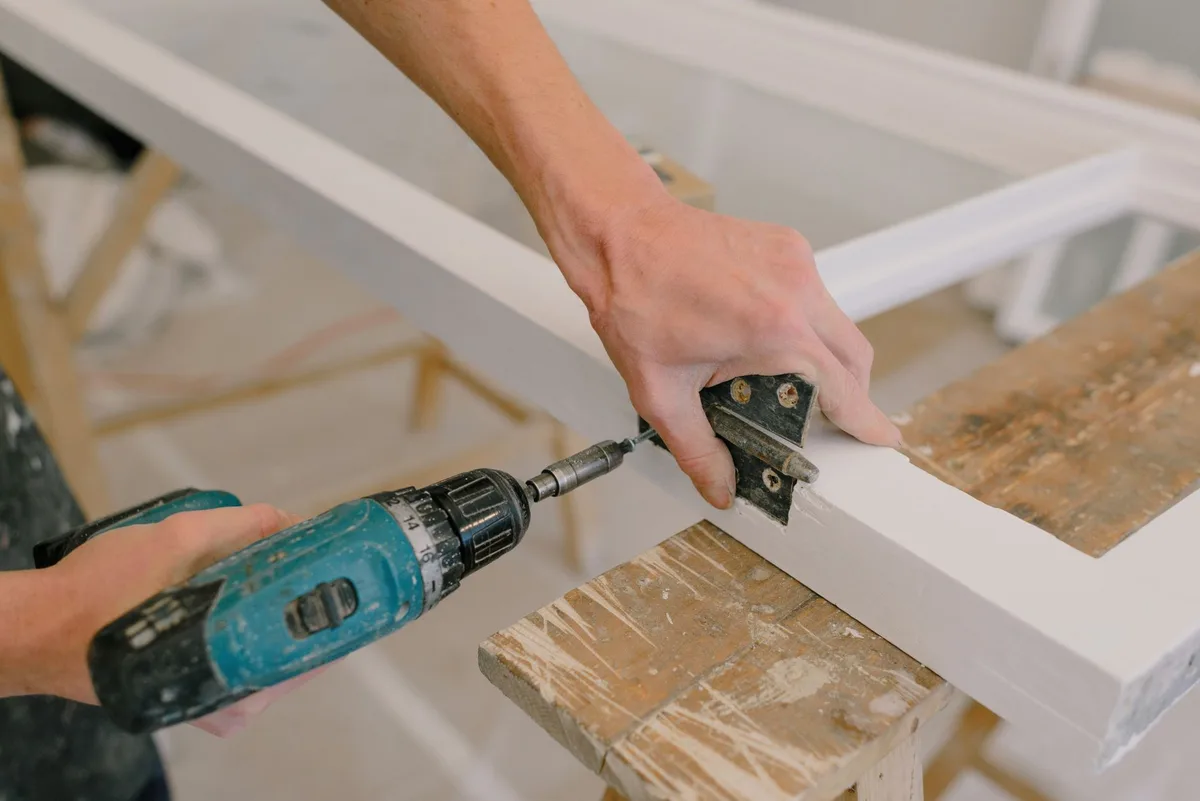
Quick Answer
Fix broken tongs in three steps. First, diagnose the failure. A loose rivet needs a new pop rivet.
A snapped spring needs a replacement. A cracked handle needs food-safe epoxy. Inspect the pivot and the handles.
Then pick the right fix. Most repairs take under 15 minutes.
Diagnose the Problem: What Actually Broke?
Before you grab any tools, look at your tongs carefully. The fix depends entirely on what failed. Here is a quick way to tell.
| Symptom | Likely Failure | Fix |
|---|---|---|
| Tongs won’t stay open or stay closed | Spring is weak, missing, or snapped | Replace the spring |
| Handles wobble independently of each other | Rivet or hinge pin is loose, bent, or worn | Replace the rivet |
| Handle or grip has a visible crack or break | Plastic or silicone handle is damaged | Glue with food-safe epoxy |
| Scalloped tips are worn down or melted | Silicone or nylon tips are degraded | Replace the whole tongs (tips are not replaceable on most models) |
The Spring Is Weak, Missing, or Snapped
If your tongs flop open like a dead fish, the spring is the culprit. Tongs rely on a coil spring wrapped around the rivet. That spring provides the tension that keeps the handles apart.
Over time, it can rust, snap, or simply lose its temper. You can buy a universal spring pack for under five dollars. This is the easiest fix.
The Hinge Pin or Rivet Is Loose or Bent
Wobbly handles are a rivet problem. The rivet is the small metal pin that holds the two arms together. If it is bent or the hole has worn larger, the arms will shift.
A loose rivet also lets the spring slip out of position. The fix is to drill out the old rivet and install a new one with a pop rivet gun. That sounds harder than it is.
The Handle or Grip Is Cracked or Broken
Plastic and silicone handles break from heat or impact. A cracked handle can still work, but it might pinch your hand. The only reliable repair is a food-safe adhesive.
Per the FDA’s guidelines on food contact substances, standard superglue is not safe for direct food contact. Use an epoxy labeled as FDA-compliant. If the handle is shattered, it is time to buy new tongs.
The Tips Are Worn or Melted
Silicone tips on barbecue tongs can melt if they touch a hot grill grate. Nylon tips can chip. On most tongs, the tips are fused to the metal handle.
They are not replaceable. If the tips are falling apart, the repair is a replacement. Do not risk bits of melted plastic in your food.
Tools & Materials You’ll Need
Most repairs need only a few common items. You probably already own some of them.
| Tool / Material | What It’s For |
|---|---|
| Pop rivet gun and 3/16-inch aluminum rivets | Replacing a loose or bent rivet |
| Small drill bit (1/8-inch or 3/32-inch) | Drilling out the old rivet |
| Universal spring pack (coil style) | Replacing a snapped or weak spring |
| Needle-nose pliers | Removing broken spring pieces |
| Food-safe epoxy (FDA-compliant) | Gluing a cracked handle |
| Small file or sandpaper | Smoothing rough edges after drilling |
| Eye protection | Safety when drilling or handling springs |
You can find pop rivet guns at any hardware store for about ten dollars. A spring pack is even cheaper. Do not use regular superglue on handles that touch food.
It is not safe.
How to Fix a Broken Spring (Step by Step)
This is the most common repair. It takes about five minutes.

Step 1: Remove the old spring. If the spring is snapped, use needle-nose pliers to pull out the broken pieces. If it is still intact but weak, cut it with wire cutters. You need to get it off the rivet.
Step 2: Clean the pivot area. Wipe away any rust or grease. A clean surface lets the new spring sit properly.
Step 3: Insert the new spring. Most replacement springs are coil springs. Slide the coil over the rivet. The two ends of the spring should point outward.
One end hooks into the left handle. The other hooks into the right handle.
Step 4: Hook the spring ends. Use your pliers to bend the spring ends into the small holes or slots on each handle. This can be fiddly. Work slowly.
The spring needs to be under tension.
Step 5: Test the tension. Squeeze the handles. They should open smoothly. If they do not, adjust the spring ends.
If the spring is too loose, you may need a different size.
That is it. Your tongs are back in action.
How to Replace a Loose or Bent Rivet
A wobbly hinge needs a new rivet. This repair takes about ten minutes and requires a pop rivet gun.
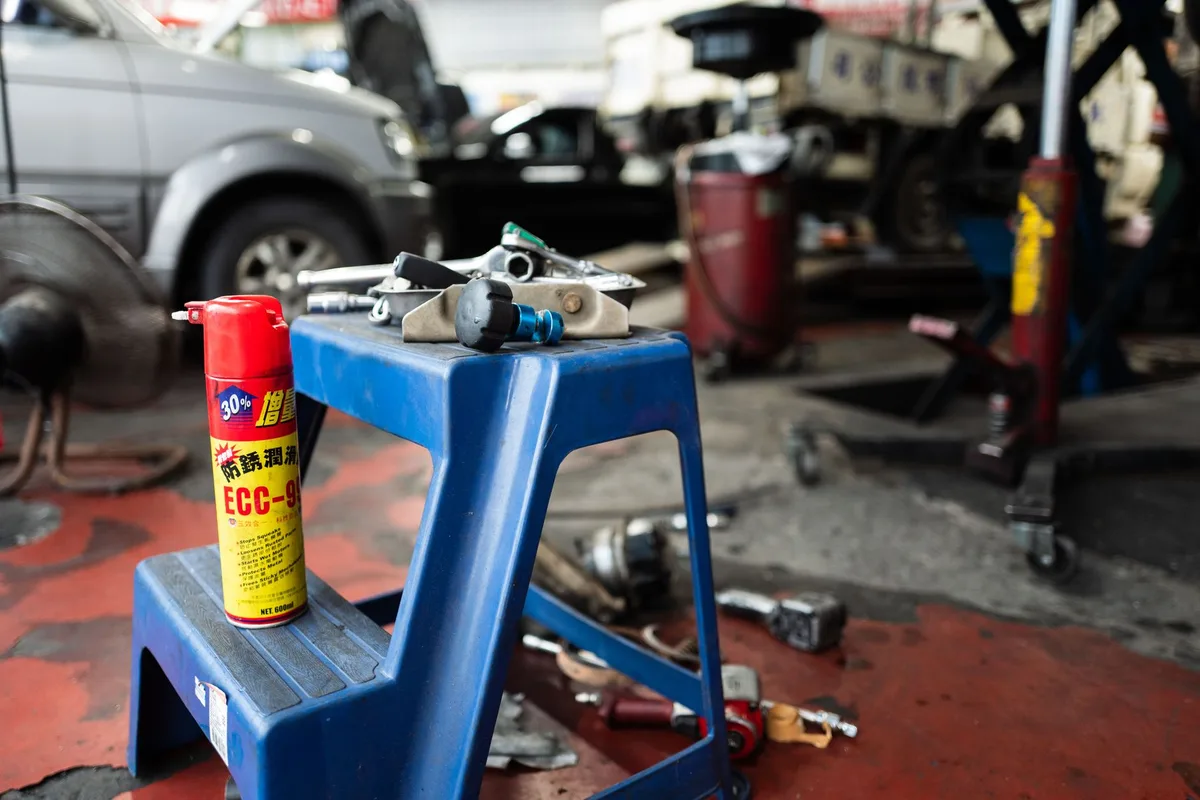
Step 1: Drill out the old rivet. Use a drill bit slightly smaller than the rivet head. Drill into the center of the rivet head. The rivet will spin at first.
Keep steady pressure. The head will pop off. Then push the rivet body out.
Step 2: Check the hole size. The rivet hole is usually 3/16-inch. If the hole is elongated from wear, you need a slightly larger rivet. Measure the hole with a drill bit.
Step 3: Insert the new rivet. Put the two tong arms together. Align the holes. Insert the new rivet through both holes from the outside.
Step 4: Pop the rivet. Place the rivet gun over the mandrel. Squeeze the handles. The rivet will compress and lock the arms together.
Squeeze until the mandrel snaps off.
Step 5: Test the hinge. The arms should move smoothly with no wobble. If they are too tight, file the rivet head slightly. If they are still loose, the rivet is too small.
Use a larger size.
One tip: if the hole is very worn, use a small metal washer between the arms before riveting. That takes up the slack.

Table of Contents