If you’ve ever stood over a pot of pasta wondering how to drain it without losing half the noodles down the sink, you already know the basic answer to what is a strainer used for. It separates solids from liquids. Simple as that.
But if that was the whole story, every kitchen would only need one type of strainer, and we both know that’s not how it works.
The reality is that strainers come in a surprising range of shapes, mesh sizes, and materials, each designed for a specific job. As of 2026, the average home kitchen contains at least three different straining tools, and professional kitchens often keep a dozen on hand. The right one makes a task effortless.
The wrong one turns a simple job into a mess. So let’s walk through what each type does and how to pick the one you actually need.
Quick Answer
A strainer separates solids from liquids. You pour a mixture through it. The liquid passes through.
The solids stay inside or on top. Different jobs need different hole sizes. Fine mesh catches tiny particles.
Wide holes let larger solids pass. The right strainer makes draining, rinsing, and sifting fast and clean.
What a Strainer Actually Does (Beyond Just “Straining”)
At its most basic level, a strainer is a bowl with holes. But the engineering behind those holes matters more than most people realize.
The primary function is mechanical separation. You pour a heterogeneous mixture (solids plus liquid) through a perforated surface. The liquid drains away.
The solids are retained. The size of the perforations determines what passes through and what stays behind. That’s the simple part.
But strainers do more than just drain. They rinse. You run water over rice, beans, or berries inside a strainer to clean them without losing a single piece.
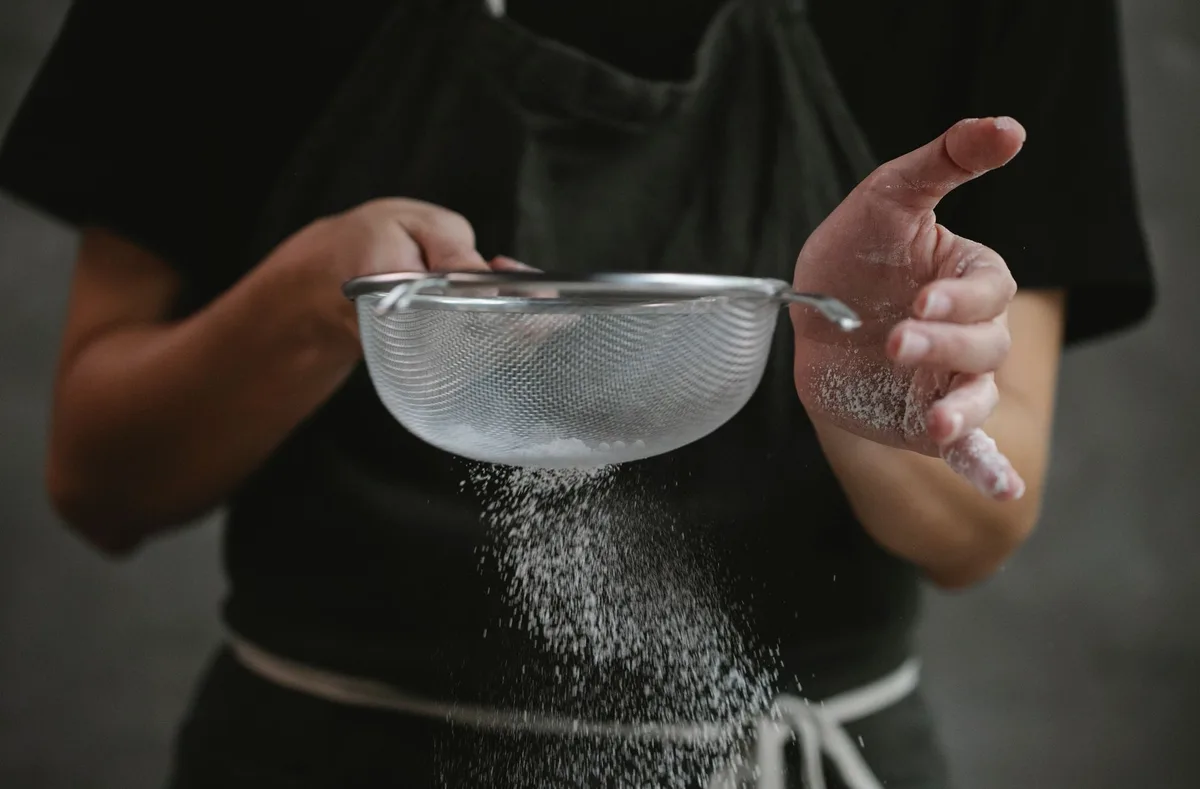
They sift. You push flour or powdered sugar through a fine mesh to remove lumps and aerate the dry ingredients. They skim.
You use a wide, shallow mesh to lift solids out of hot liquid without pouring anything out. They strain in both directions. Some strainers press solids against the mesh to extract juice or pulp while the liquid collects below.
The real insight is this: a strainer is a control tool. It lets you decide which parts of a mixture go where. That control is what makes it indispensable in everything from a quick weeknight dinner to a precise baking project.
The Main Types of Strainers and What Sets Them Apart
Not all strainers work the same way. The shape, depth, and hole pattern all change how the tool performs. Here are the three main categories you’ll encounter and what each one does best.
Colanders: The Heavy Lifter for Pasta and Produce
A colander is the classic bowl-shaped strainer with large holes and two handles. It’s the tool you reach for when you’re draining a pound of spaghetti or rinsing a bag of apples.
The defining feature is the hole size. Colander holes are typically 3 to 5 millimeters wide. That’s big enough to let water rush through quickly but small enough to hold back most solid foods.
The deep bowl shape means you can dump a full pot of pasta or a sink full of greens without worrying about overflow.
Most colanders sit on a flat base or have small feet so they stay stable in the sink. The handles are usually wide and sturdy, giving you good leverage even when the colander is heavy with food and hot water.
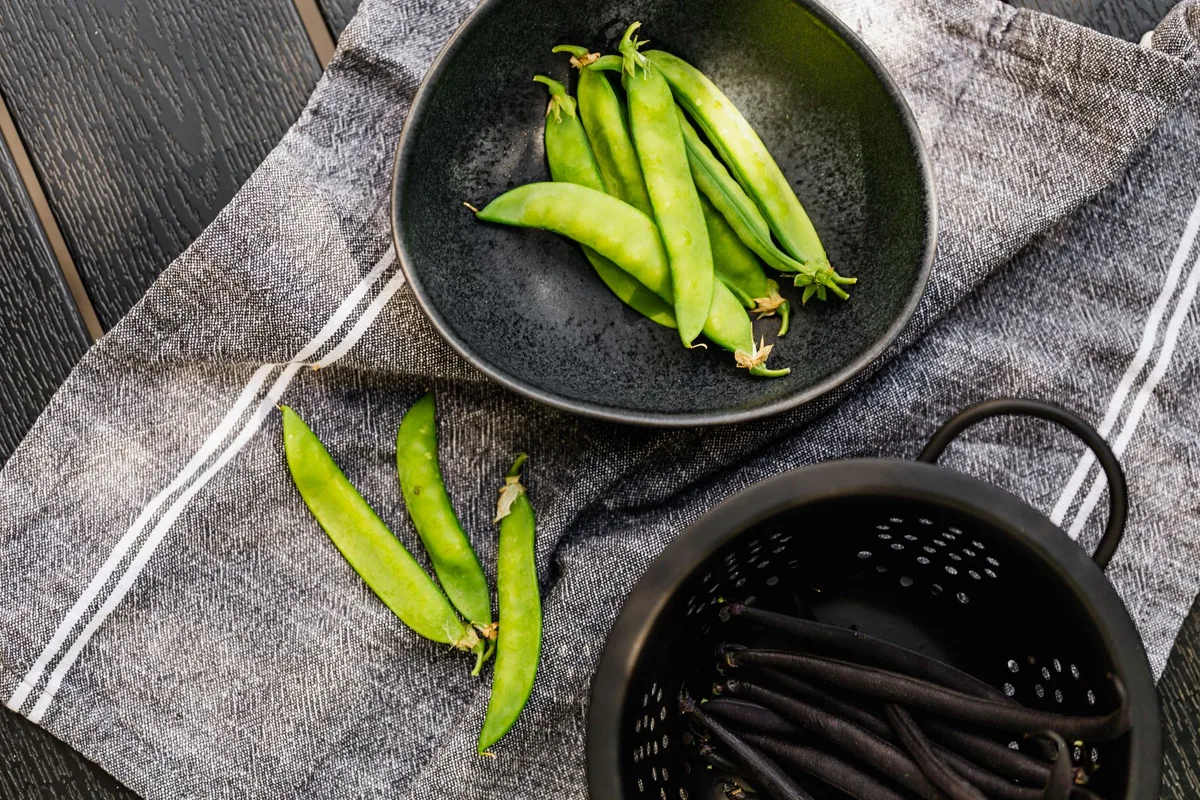
Colanders work best for large, sturdy foods. Think pasta, potatoes, corn, green beans, and whole fruits. They’re not great for small items like rice or quinoa, which slip right through those big holes.
Fine-Mesh Sieves: When You Need a Smooth Finish
A fine-mesh sieve looks similar to a colander at first glance, but the difference is in the details. Instead of punched holes, these strainers use woven stainless steel mesh. The openings are tiny, often 0.5 to 1 millimeter across.
This tight mesh catches small particles that a colander would miss. That makes it essential for straining stocks, sauces, and custards. A fine-mesh sieve removes the tiny bits of bone, herbs, and sediment that cloud a clear broth.
It also catches seeds in berry purees and separates lumps from powdered sugar.
These strainers come in different mesh densities. Standard kitchen sieves use about 40 to 60 mesh per inch. That’s fine enough for most tasks.
If you’re making an ultra-smooth sauce or consommé, a chinois (an extremely fine conical sieve) can have 120 to 140 mesh per inch.
Fine-mesh sieves are also the right tool for rinsing small grains and legumes. Rice, quinoa, lentils, and couscous all need a tight mesh to stay in place while the water runs through.
The tradeoff is speed. Fine mesh drains slower than wide holes. You also need to clean them more carefully.
Food particles get trapped in the weave and require a brush or thorough rinsing.
Specialty Strainers: Tea, Cocktails, and Stocks
Beyond the standard colander and sieve, several specialty strainers handle specific jobs that the general-purpose tools can’t do well.
Spider skimmers are wide, shallow wire baskets on a long handle. They’re designed to lift foods out of hot oil or boiling water. Think dumplings from a pot, fried foods from oil, or blanched vegetables from boiling water.
The open wire design lets liquid drain instantly. The long handle keeps your hands safe.
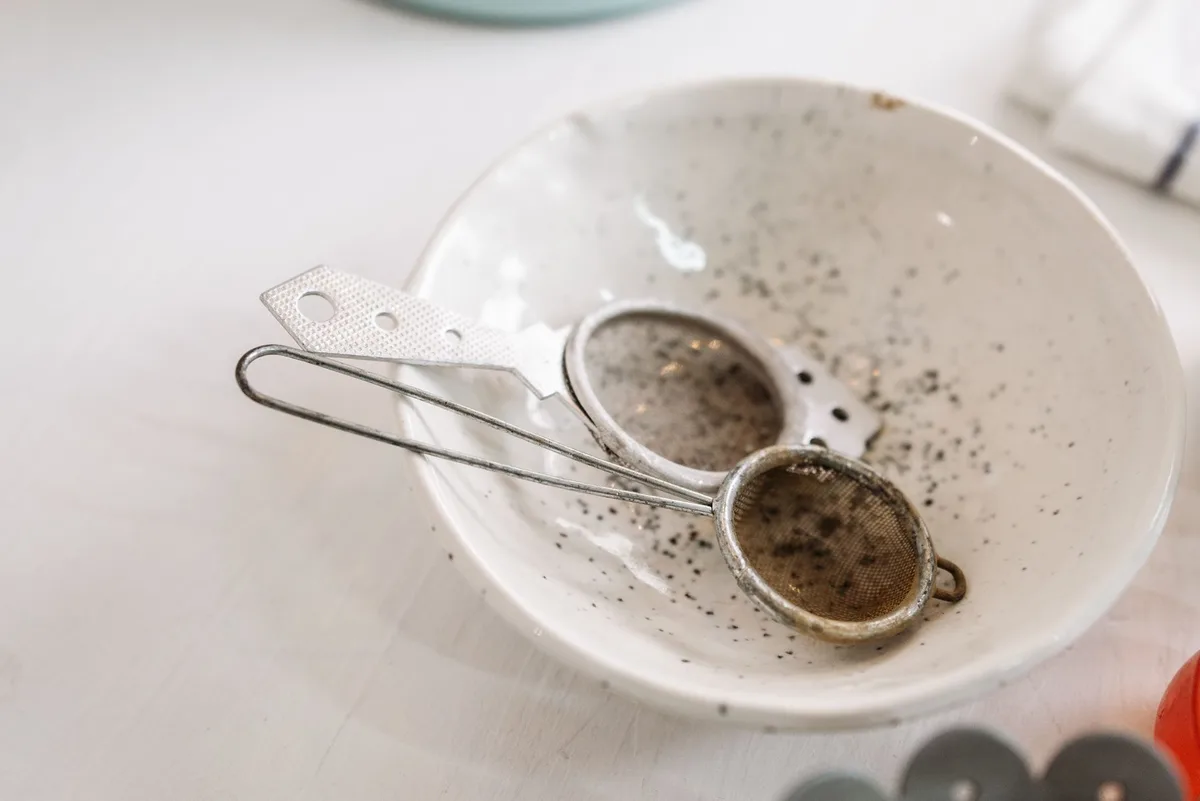
Tea strainers are small mesh baskets that fit over a cup. They hold loose tea leaves while hot water passes through. Some have a fine mesh that catches even the smallest leaf particles.
Others have a coarser weave that lets more flavor through.
Cocktail strainers come in two common styles. A Hawthorne strainer has a coil spring around the rim that fits inside a shaker. A julep strainer is a flat, perforated spoon that sits over the top of a mixing glass.
Both are designed to hold back ice and fruit pulp while letting the liquid pour through.
Conical strainers (china caps) have a pointed shape that concentrates solids at the bottom. The narrow angle creates more surface pressure, which helps push liquid through when you’re pressing on the solids. These are common in professional kitchens for making smooth sauces and purees.
How to Pick the Right Mesh Size for the Job
Choosing the wrong mesh size is the most common strainer mistake. It’s also the easiest to fix once you understand the logic.
The rule is straightforward: match the hole size to the size of the solids you want to retain.
Wide holes (3 to 5 mm) are for large, sturdy foods. Use a colander for pasta, potatoes, leafy greens, and whole fruits. These items are big enough that they can’t fall through.
The wide spacing lets water drain in seconds.
Medium holes (1 to 2 mm) work for medium-sized items. Some colanders and strainers fall in this range. They’re good for drained canned vegetables, beans, and chopped produce.
You get faster drainage than fine mesh but still hold back most solid pieces.
Fine mesh (0.5 to 1 mm) catches small particles. Use a fine-mesh sieve for rice, quinoa, flour, ground spices, and small seeds. The mesh is tight enough to hold these tiny items but open enough to let water or sifted powder through.
Ultra-fine mesh (under 0.5 mm) is for clarity, not retention. Use a chinois or very fine sieve for removing sediment from broth, clarifying consommé, or straining very fine tea leaves. These mesh sizes catch particles you can barely see.
They also drain very slowly.
Real-world example: if you pour a pot of quinoa through a standard colander, half of it ends up in the sink. The grains are smaller than the holes. But a fine-mesh sieve catches every grain and still drains fast enough to be practical.
Meanwhile, straining pasta through a fine-mesh sieve takes forever because the mesh clogs with starch and the holes are too small to let water pass freely.
Manufacturer specifications list mesh density as “mesh per inch.” A 40-mesh sieve has 40 openings per linear inch. Higher numbers mean finer mesh. For reference, a standard kitchen sieve is usually 40 to 60 mesh.
A chinois can be 100 mesh or higher.
Step-by-Step: How to Use a Strainer the Right Way
Using a strainer sounds simple, and it mostly is. But a few small habits make the difference between a clean process and a mess.
Choose the right tool first. Match the mesh to your food. Grab a colander for pasta, a fine-mesh sieve for rice, a spider for frying. Do this before you start cooking.
Trying to find the right strainer with a hot pot in your hand is a recipe for spills.
Position it correctly. Place the strainer in the sink or set it over a bowl to catch the liquid. If you’re straining hot liquid, make sure the sink or bowl can handle the temperature. A colander with feet sits more stably than one without.
If it wobbles, hold it steady with one hand.
Pour slowly and steadily. Don’t dump everything at once. Start pouring at a moderate pace. If the liquid level rises above the strainer’s rim, pause and let it drain before pouring more.
This prevents overflow and spillage.
Shake or tap to improve drainage. For fine-mesh sieves, gently shake the strainer back and forth. This redistributes the solids and opens up channels for liquid to pass. For colanders, a couple of taps on the side of the sink helps water find its way through.
Press for maximum extraction. When you need every drop of liquid from cooked vegetables or fruit pulp, use the back of a ladle or a rubber spatula to press the solids against the mesh. The pressure forces liquid through the holes. Professional chefs call this technique “working the strainer.” It’s especially useful for making purees, sauces, and broths.
Clean immediately after use. Dried food stuck in mesh is much harder to remove than fresh residue. Rinse the strainer under hot water right after you’re done. For fine mesh, use a small brush to dislodge any particles caught in the weave.
Let it dry completely before storing. Stainless steel won’t rust, but damp metal can develop water spots or harbor bacteria.
Common Mistakes People Make With Strainers
Even experienced cooks make avoidable errors with strainers. Here are the most frequent ones and how to fix them.
Using the wrong mesh size. This is the number one mistake. Pouring small grains through a colander guarantees a lost dinner. Pouring pasta through a fine-mesh sieve guarantees a slow, frustrating strain.
The fix is simple: match the hole size to your food before you start cooking.
Overfilling the strainer. A strainer works best when it has room to drain. Fill it more than two-thirds full, and the bottom layer sits in pooled liquid. The solids never really drain.
They just cool down in a puddle. Pour in batches if you have a lot of food. It takes an extra ten seconds and gives you much better results.
Forgetting to support the strainer. Fine-mesh sieves are flexible. A heavy load of hot food can push the mesh down until it touches the bottom of the sink or bowl. That blocks drainage completely.
Always hold the strainer so the mesh stays suspended. Some sieves have a wire ring around the bottom that helps. If yours doesn’t, use one hand to keep it lifted.
Pouring too fast. A rapid dump fills the strainer over capacity. Liquid and solids spill over the rim. You lose food and make a mess.
Pour at a controlled speed. Let the liquid level drop before adding more.
Using plastic strainers for hot foods. Not all plastic is heat safe. Standard nylon strainers can warp at temperatures above 200°F. Boiling pasta water is 212°F.
That’s a recipe for a melted handle or a deformed bowl. Check the temperature rating on your plastic strainer. If it doesn’t list one, stick to metal for hot tasks.
Ignoring the handle length. A short handle on a deep pot means burned fingers. The strainer handle needs to reach over the pot rim without your hand touching the steam. Spider skimmers have long handles for exactly this reason.
Colanders meant for sink use have shorter handles because they don’t need to hover over steam.
Not cleaning fine mesh properly. Food particles lodge in the weave of fine sieves. If you don’t scrub them out, they dry and harden. The next time you use the strainer, those old particles can break loose into your food.
Rinse immediately. Use a stiff brush. For stubborn residue, soak in hot water with dish soap for fifteen minutes.
Cleaning and Maintenance: Keeping Your Strainer in Good Shape
A well-maintained strainer lasts for years. A neglected one becomes a source of frustration and contamination.
Rinse immediately after use. This is the single most important habit. Leftover food dries and bonds to the mesh. Once it hardens, you need soaking and scrubbing to remove it.
A quick rinse under hot water takes five seconds and prevents hours of cumulative cleaning time.
Use a brush for fine mesh. Standard dish sponges don’t reach into the tiny gaps in fine sieve mesh. A nylon brush with stiff bristles does the job. Work the brush back and forth across the mesh.
You’ll see trapped particles loosen and rinse away.
Soak for stubborn residue. Starches from pasta and rice can glue themselves to metal. Tomato sauce stains stainless steel if left to dry. Fill the sink with hot water and a few drops of dish soap.
Submerge the strainer for fifteen to twenty minutes. Then scrub. The soaking loosens everything without hard scrubbing.
Avoid abrasive scrubbers on coated strainers. Some nonstick or colored strainers have a coating. Steel wool or scouring pads scratch that coating off. Use soft sponges or plastic brushes for these.
Once the coating is damaged, the underlying material may not be food safe.
Dry completely before storing. Stainless steel resists rust, but it’s not immune. Water spots develop on the surface. More importantly, a damp strainer left in a drawer or cabinet is a breeding ground for bacteria.
Towel dry after washing. If you stack strainers for storage, make sure they are fully dry before nesting them together.
Check for damage periodically. Mesh can develop tears or loose strands. A torn sieve lets solids through and defeats the purpose. Handles can loosen on riveted strainers.
If a handle wiggles, the strainer is less safe to carry when loaded with hot food. Replace damaged strainers promptly. They are inexpensive tools, and a broken one can cause burns or food contamination.
Metal vs. Plastic vs. Silicone: Which Material Works Best
Each strainer material has strengths and weaknesses. The right choice depends on how you cook and what you prioritize.
| Material | Heat tolerance | Durability | Weight | Cost | Best for |
|---|---|---|---|---|---|
| Stainless steel | Very high (unlimited) | Excellent, lifetime use | Medium | $15-$40 | All hot tasks, heavy use |
| Nylon / plastic | Low (200°F max) | Moderate, can warp | Light | $5-$15 | Cold rinsing, light tasks |
| Silicone | High (450°F+) | Good, but can tear | Light | $10-$25 | Collapsible storage, nonstick pots |
| Aluminum | High | Moderate, can dent | Light | $8-$20 | Budget option, avoid acidic foods |
Stainless steel is the gold standard for good reason. It won’t rust, it handles any temperature, and it doesn’t react with acidic foods. A quality stainless steel strainer can last a lifetime.
The only downside is the weight and the cost, but both are reasonable for what you get.
Nylon and plastic are lightweight and cheap. They work fine for rinsing berries or draining canned vegetables. But they warp under heat.
A plastic colander placed under hot pasta water can soften and deform. The handles may snap under heavy loads. Use them for cold or room temperature tasks only.
Silicone foldable strainers are popular for small kitchens and RVs. They collapse flat for storage. Heat tolerance is surprisingly good, often up to 450°F.
But silicone doesn’t hold its shape as rigidly as metal. A full silicone colander can sag and spill. They work best for light duty rinsing, not heavy draining.
Aluminum is cheap and lightweight. It conducts heat well, which means it cools down fast after hot water passes through. The big problem is reactivity.
Aluminum reacts with acidic foods like tomatoes, lemon juice, and vinegar. The reaction can discolor the metal and leave a metallic taste in your food. Stick to stainless steel if you strain tomato-based sauces.
In our research, aggregate reviews consistently rate stainless steel as the most reliable material across all use cases. The upfront cost is higher, but you never need to replace it. Plastic strainers save money upfront but often need replacement within a year or two of regular use.
When You Don’t Need a Strainer (Good Alternatives to Know)
Strainers are the right tool most of the time, but not always. Several alternatives handle separation tasks differently, sometimes better.
Slotted spoons work well for lifting individual pieces from liquid. If you’re fishing out a single dumpling or a few vegetables from a soup, a slotted spoon is faster than a strainer. You get precise control over what you lift.
The downside is that you can only retrieve a few pieces at a time.
Cheesecloth is a fabric alternative that can achieve finer separation than any wire mesh. Folded in multiple layers, it catches particles smaller than 0.1 millimeters. That makes it ideal for clarifying stocks, straining yogurt, and making nut milk.
The tradeoff is that it’s disposable and requires setup time.
Colander inserts or pasta pot inserts are perforated baskets that sit inside a pot. You boil the pasta in the insert, then lift the whole basket out. The water drains through the perforations, and you never have to pour a heavy pot.
These are convenient for pasta and vegetables but only work with compatible pots.
Salad spinners double as strainers for leafy greens. The inner basket has perforations that drain water when you spin it. Some models work well enough for rinsing and drying herbs, strawberries, and other small produce.
They don’t replace a colander for heavy draining, but they handle the rinsing step efficiently.
Paper coffee filters serve as single-use strainers for small volumes of liquid. They catch very fine particles. Use them if you need to strain a small amount of broth or tea and don’t have a fine-mesh sieve handy.
They’re not reusable but cost pennies each.
Quick Guide: Which Strainer for Which Task
This reference table gives you a quick answer for common kitchen tasks. Keep it in mind the next time you reach for a strainer.
| Task | Recommended strainer | Why |
|---|---|---|
| Draining pasta | Colander (wide holes) | Fast drainage, handles volume |
| Rinsing rice | Fine-mesh sieve | Holds small grains |
| Straining stock | Fine-mesh sieve or chinois | Removes sediment, clarifies liquid |
| Sifting flour | Fine-mesh sieve or sifter | Removes lumps, aerates |
| Lifting fried food | Spider skimmer | Drains oil instantly, long handle |
| Making smooth sauce | Chinois or fine sieve with pressure | Removes all solids, creates texture |
| Rinsing berries | Colander or wide sieve | Gentle, even water flow |
| Straining tea | Tea strainer or fine sieve | Catches leaves, allows flavor |
| Draining canned beans | Colander or strainer | Quick, handles medium solids |
| Skimming foam from broth | Spider skimmer or fine sieve | Removes surface impurities |
| Straining cocktails | Hawthorne or julep strainer | Holds ice, fits shaker |
Frequently Asked Questions
Can I use a strainer for anything other than food?
Yes. Strainers work for any task that involves separating solids from liquids. People use them for draining water from flower vases, straining paint, filtering aquarium water, and separating compost tea.
Just don’t use the same strainer for food and non-food tasks unless you can clean it thoroughly between uses.
Why does my strainer rust even though it says stainless steel?
Not all stainless steel is the same. Lower quality stainless can contain less chromium, which reduces corrosion resistance. Water spots and mineral deposits can also look like rust.
True rust on a stainless steel strainer usually means the surface was contaminated with carbon steel particles during manufacturing. A mild abrasive cleaner can remove surface rust. If it returns, replace the strainer.
How do I get stains out of my fine-mesh sieve?
Tomato, turmeric, and berry stains are common. Mix a paste of baking soda and water. Rub it gently into the mesh with a soft brush.
Let it sit for ten minutes. Rinse thoroughly. For stubborn stains, soak the sieve in a solution of one part white vinegar to three parts water for thirty minutes.
Then wash as usual.
Is it safe to put a metal strainer in the dishwasher?
Most stainless steel strainers are dishwasher safe. The heat and detergent won’t damage the metal. However, dishwasher detergents can be harsh on some surface finishes.
If your strainer has a colored coating or a polished surface, hand washing preserves the appearance longer. Plastic strainers can warp in the dishwasher’s high heat drying cycle.
Can I use a colander as a serving bowl?
Yes, but it depends on the design. Colanders with attractive shapes and colors can double as serving bowls for salads, fruit, or bread. Make sure the holes don’t let your food escape.
For wet foods like salad that’s been dressed, place the colander over a plate to catch drips.
What’s the difference between a strainer and a sieve?
The terms are often used interchangeably, but there is a technical difference. A strainer typically has punched holes in metal or plastic. A sieve has woven wire mesh.
In practice, most people use “strainer” as the general term and “sieve” for fine-mesh versions. Kitchen supply catalogs usually label fine-mesh tools as sieves and wide-hole tools as strainers or colanders.
How to Choose the Right Strainer Based on Your Cooking Style
Your cooking habits should dictate your strainer choices. A baker needs different tools than a pasta lover.
For pasta and vegetable-heavy cooking, buy a large stainless steel colander. Look for one with a 5-quart capacity or larger. The wide holes drain fast, and the sturdy handles give you control when carrying heavy loads.
A metal colander also doubles as a steamer basket when you invert it over a pot.
For baking and sauce work, invest in a fine-mesh sieve. Get one with a bowl diameter of at least 6 inches. That size handles sifting flour and straining sauces equally well.
A sieve with a hook on one side lets you rest it over a bowl hands-free.
For stir-fry and frying, add a spider skimmer to your collection. The wide basket and long handle make it the safest tool for working with hot oil. You can also use it for blanching vegetables and lifting dumplings from boiling water.
For small kitchens or dorm rooms, a silicone collapsible strainer saves space. It folds flat for drawer storage. Just remember that silicone sags under heavy loads, so keep it to light duty tasks like rinsing berries or draining canned goods.
Storage Tips to Extend Strainer Life
How you store a strainer affects how long it lasts.
Nest similar strainers together. Colanders fit inside larger colanders. Fine-mesh sieves stack inside each other. This saves cabinet space and protects the tools from getting knocked around.
Hang strainers if you have wall space. A hook on the wall or inside a cabinet door keeps strainers visible and accessible. Air circulates around them, which prevents moisture buildup.
Do not stack heavy pots on top of fine-mesh sieves. The weight bends the mesh. Once the weave is distorted, it never sits flat again. That creates gaps that let small solids slip through.
Keep plastic strainers away from heat sources. Store them away from the stovetop, oven vents, and dishwasher heating elements. Warped plastic never returns to its original shape.
When to Replace a Strainer
No strainer lasts forever. Watch for these signs that it is time to replace yours.
Torn or broken mesh is the clearest sign. If you see a gap in the weave, the strainer is no longer doing its job. Small solids will pass through that opening.
Repairing wire mesh is rarely worth the effort.
Rust on a stainless steel strainer means the protective layer is compromised. Surface rust from mineral deposits can be cleaned. Deep rust pits in the metal cannot.
Replace the strainer if rust returns after cleaning.
Warped plastic or silicone creates unstable performance. A warped colander rocks in the sink. A warped sieve does not sit flat on a bowl.
Both increase the chance of spills.
Loose handles are a safety hazard. If the rivets holding a handle in place have loosened, the handle can detach when the strainer is full of hot food. Replace the strainer immediately.
Bent or broken feet cause instability. Colanders rely on their feet to stay upright in the sink. A colander with damaged feet tips over easily.
Final Thoughts on Getting the Most From Your Strainer
A strainer is a simple tool with more nuance than most people realize. The right one makes draining, rinsing, sifting, and separating effortless. The wrong one turns simple tasks into frustrating messes.
The key takeaways are straightforward. Match the mesh to your food. Use stainless steel for hot tasks.
Clean immediately after each use. Buy one good colander and one good fine-mesh sieve, and you can handle 90 percent of straining tasks in a home kitchen.
Strainers are among the most affordable kitchen tools you will own. A well-made stainless steel colander costs less than a dinner for two and lasts for decades. Spending a little more upfront saves money and frustration over time.
Choose carefully, maintain your tools, and they will serve you well through countless meals.

Table of Contents