You’ve just reheated leftovers in a glass container, and everything seems fine. But was it actually safe? That’s the question millions of people ask every day, and the answer isn’t as simple as a straight yes or no.
Let me clear this up right now: most glass is microwave safe, but not all glass is. The difference comes down to how the glass was made, whether it has metallic trim, and how you use it. In this guide, I’ll walk you through exactly what to look for, what to avoid, and how to make sure your glass cookware isn’t putting you or your microwave at risk.
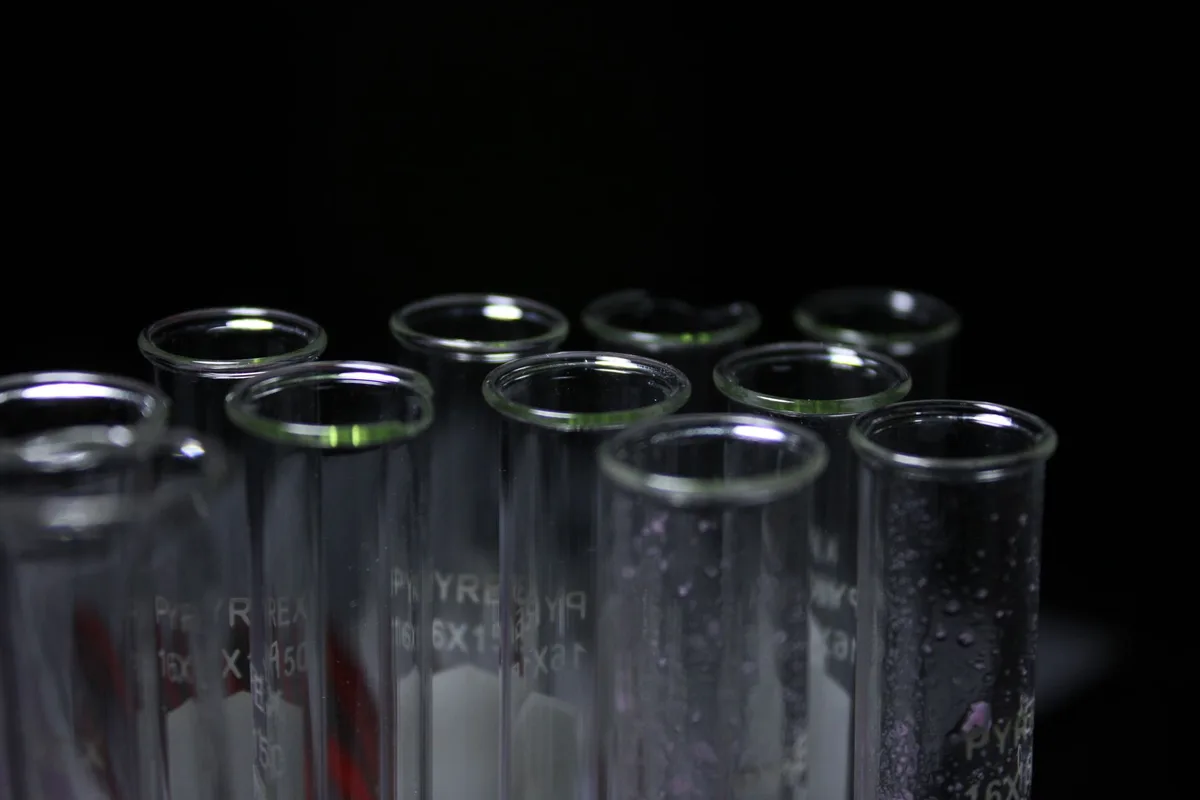
Image source: Pexels / Jahra Tasfia Reza (Pexels License)
The Short Answer: Yes, With Conditions
Here’s the straightforward truth. Glass is one of the safest materials you can put in a microwave. Unlike plastic, it won’t leach chemicals into your food when heated.
Unlike metal, it won’t spark and cause a fire. The microwave radiation passes right through glass, heating your food instead of the container.
But there are exceptions. Some glass types can shatter, crack, or even explode under microwave conditions. I’ve seen it happen. It’s not pretty, and it’s definitely not safe.
The key factors are:
- The type of glass (borosilicate vs. soda-lime)
- Whether the glass is labeled “microwave safe”
- The presence of metallic paint, rims, or decorations
- Thermal shock from rapid temperature changes
Let’s break all of this down.
Understanding Glass Types for Microwave Use
Not all glass is created equal. If you want to understand microwave safety, you need to understand the glass itself.
Borosilicate Glass: The Gold Standard
This is the glass you want. Borosilicate glass contains silica and boron trioxide, which gives it exceptional heat resistance. It expands very little when heated, which means it handles temperature swings like a champ.
You’ll find borosilicate glass in:
- Pyrex measuring cups (older ones, specifically)
- Lab glassware
- High-end bakeware
- Some French press coffee makers
Can borosilicate glass go in the microwave? Absolutely. This is the safest option. It’s designed to handle high heat and sudden temperature changes.
You can take a borosilicate dish from the freezer and put it directly into a hot oven without cracking (though I don’t recommend testing that often).
Image source: Openverse / OxfordDave
Soda-Lime Glass: Common but Riskier
Soda-lime glass is what most everyday glass products are made from. Think drinking glasses, window panes, and many food storage containers. It’s cheaper to produce but has a higher coefficient of thermal expansion.
What does that mean for your microwave? Soda-lime glass expands more when heated. If it heats unevenly (which happens constantly in microwaves), different parts of the glass expand at different rates.
That stress can cause cracks or shattering.
Can soda-lime glass go in the microwave? Sometimes. If it’s thick and evenly heated, it’s usually fine. But it’s riskier than borosilicate, especially with thin or delicate pieces.
Tempered Glass: Toughened Up
Tempered glass is regular glass that’s been heat-treated to make it stronger. When it breaks, it shatters into small, relatively harmless pieces instead of sharp shards.
Many microwave-safe glass containers are tempered. They’re stronger than standard glass and more resistant to thermal shock. But even tempered glass has limits.
Extreme temperature changes can still cause failure.
Lead Crystal and Decorative Glass: Stay Away
Lead crystal contains lead oxide, which makes it sparkle but also makes it less heat resistant. Decorative glass often has metallic paints, gold rims, or enamel details that can spark in the microwave.
These should never go in the microwave. The lead can leach into food, and the metallic decorations can cause arcing (those scary sparks you sometimes see).
How to Tell If Your Glass Is Microwave Safe
You don’t need to become a glass expert. There are simple ways to check.
Look for the Label
Manufacturers test their products and label them accordingly. Turn your glass container over and look at the bottom. You’ll typically see one of these:
| Label | What It Means |
|---|---|
| “Microwave Safe” | Tested and approved for microwave use |
| “Oven Safe” | Usually microwave safe as well |
| “Not for Microwave” | Do not use |
| No label at all | Unknown — test it yourself |
The DIY Water Test
If there’s no label, you can test it. Here’s how:
- Fill a microwave-safe cup with water (about 1 cup)
- Place the empty glass container you want to test next to the cup of water in the microwave
- Microwave on high for 1 minute
- Carefully check the glass container
What to look for:
- If the glass is warm to the touch but not hot, it’s probably microwave safe
- If the glass is hot while the water in the cup is also hot, that’s fine
- If the glass is very hot and the water is cool, do not use it. That means the glass is absorbing microwave energy instead of letting it pass through
This test works because microwave-safe glass should remain relatively cool. If it’s heating up on its own, that’s a red flag.
Common Hazards: Why Some Glass Isn’t Safe
Let me show you what can go wrong. Understanding these risks helps you avoid dangerous situations.
Image source: Pexels / Wallace Chuck (Pexels License)
Thermal Shock: The Silent Danger
This is the biggest threat to glass in a microwave. Thermal shock happens when different parts of the glass experience different temperatures at the same time.
Imagine this: You take a cold glass dish from the refrigerator. You fill it with room-temperature soup. You put it in the microwave.
The parts of the dish touching the soup heat up quickly while the edges stay cool. The glass expands unevenly, and suddenly, crack.
How to prevent it:
- Let cold glass containers sit at room temperature for a few minutes before microwaving
- Don’t put hot glass directly on a cold counter or into cold water
- Avoid extreme temperature differences (freezer to microwave is risky)
Metallic Trim and Decorations
This is non-negotiable. Any glass with metallic paint, gold or silver rims, or metallic decorations cannot go in the microwave.
The metal acts like an antenna for microwave radiation. It can cause:
- Sparks (arcing)
- Fire
- Damage to your microwave
- Ruined food
Check the rim of every glass container. If it has a metallic-looking border, skip the microwave. Even if it’s labeled “microwave safe,” metallic trim is a hard no.
Thin or Damaged Glass
Thin glass heats up faster and more unevenly than thick glass. Wine glasses, thin drinking glasses, and delicate glassware are more likely to crack under microwave conditions.
And any glass with chips, cracks, or scratches is compromised. Those imperfections create weak points where stress concentrates. A small chip can turn into a catastrophic break under microwave heat.
Is Glass Microwave Safe for Specific Uses?
Different situations have different risks. Let me walk through common scenarios.
Glass Food Storage Containers
These are usually safe if they’re labeled for microwave use. Brands like Pyrex, Anchor Hocking, and Snapware make glass containers specifically for reheating.
Best practices:
- Remove the plastic lid before microwaving (unless it’s vented and labeled as microwave safe)
- Leave a small gap for steam to escape
- Use potholders, the glass gets hot from the food, even if it’s microwave safe
Glass Mugs and Cups
Standard coffee mugs are generally safe for short reheating periods, think 1-2 minutes. But be careful with:
- Thin mugs: They heat up fast and can crack
- Mugs with metallic decorations: Avoid entirely
- Travel mugs: Many have metal layers inside that you can’t see
Glass Bakeware
Casserole dishes and baking pans are often fine, but check the manufacturer’s guidelines. Older Pyrex dishes (made from soda-lime glass after the 1990s) are more prone to thermal shock than the original borosilicate versions.
Glass Drinking Glasses
I don’t recommend microwaving drinking glasses. They’re usually thin, made from soda-lime glass, and not designed for heat. A quick 30-second warm-up might work, but anything longer is gambling.
What the Experts Say
The U.S. Food and Drug Administration (FDA) regulates microwave-safe labeling. Manufacturers must test their products to ensure they don’t leach chemicals or pose safety risks under normal microwave use.
For official guidance on microwave safety and food containers, the FDA’s Microwave Oven Radiation page provides thorough information.
Consumer safety organizations also emphasize that glass is generally safer than plastic for microwave use because glass doesn’t release harmful chemicals when heated. But they stress that not all glass is created equal, always verify before you heat.
Is Glass Microwave Safe: A Quick Reference Table
| Glass Type | Microwave Safe? | Notes |
|---|---|---|
| Borosilicate glass (Pyrex, lab glass) | Yes | Best option, handles heat well |
| Tempered glass containers | Usually yes | Check for label |
| Standard soda-lime glass | Caution | Risk of thermal shock |
| Lead crystal | No | Can leach lead, may crack |
| Decorative glass with metal | No | Sparks and fire risk |
| Thin drinking glasses | No | Too fragile |
| Chipped or cracked glass | No | Structural weakness |
Best Practices for Microwaving Glass
Follow these rules and you’ll dramatically reduce your risk.
Do This
- Check for a microwave-safe label every time
- Use the water test on unlabeled glass
- Let cold glass warm up before microwaving
- Stir your food halfway through to promote even heating
- Use low to medium power for delicate items
- Leave the lid slightly open to release steam pressure
- Use oven mitts when removing hot glass
Don’t Do This
- Don’t microwave glass with metallic trim, ever
- Don’t put cold glass directly from fridge to microwave without a short rest
- Don’t microwave empty glass, it can overheat and crack
- Don’t use glass with existing damage
- Don’t overfill glass containers, liquids expand when heated
- Don’t microwave sealed glass containers, pressure builds and can cause explosions
What Happens If Glass Breaks in the Microwave?
It’s a mess. It’s dangerous. Here’s what to do.
First, unplug the microwave immediately. Don’t open the door until the microwave is off. Broken glass inside a microwave can continue to arc or cause electrical issues if the microwave is running.
Once it’s safe:
- Let the microwave cool completely
- Wear thick gloves to remove large pieces
- Use a vacuum with a hose attachment for small shards
- Check the microwave’s interior for damage to the glass tray, door seal, or walls
- Wipe down all surfaces to remove glass dust
If your microwave’s glass turntable or tray breaks, you can usually order a replacement from the manufacturer.
The Bottom Line
So, is glass microwave safe? Yes, with important caveats.
- Borosilicate glass is excellent for microwave use
- Tempered glass containers with a microwave-safe label are reliable
- Standard glass and decorative glass are risky
- Metal trim is never safe
- Thermal shock is your biggest enemy
When in doubt, use the water test. When you’re still unsure, choose a different container. It’s not worth the risk of a shattered dish, ruined food, or damaged microwave.
Glass remains one of the best materials for microwave cooking and reheating. It’s non-toxic, doesn’t absorb odors, and cleans easily. Just be smart about which glass you use and how you use it.
Your microwave will thank you. And so will your dinner.
Remember: Microwave safety isn’t complicated, but it does require a little knowledge. Now you’ve got it. Heat with confidence.

Table of Contents